You're in the home stretch. The third trimester brings a mix of excitement and… significant physical challenge. That growing belly changes everything, especially how you move and rest. One day you bend over casually, the next it feels like a major logistical operation. Knowing which positions to avoid isn't just about comfort—it's about safety for you and your baby. Let's cut through the generic advice and talk specifics.
What You'll Find in This Guide
The #1 Sleeping Position to Stop Immediately
If you remember one thing from this article, let it be this: stop sleeping flat on your back after about 28 weeks. This isn't old wives' tale stuff; it's physiology. The weight of your uterus, baby, placenta, and amniotic fluid can compress a major blood vessel called the inferior vena cava (IVC). This vessel is responsible for returning blood from your lower body to your heart.
Compress it, and you risk reduced blood flow to your heart, and consequently, to your baby. You might feel dizzy, nauseous, or short of breath—your body's way of saying "roll over." More critically, some studies, including research often cited by organizations like the American College of Obstetricians and Gynecologists, have suggested a link between back-sleeping in late pregnancy and an increased risk of stillbirth. The connection is strong enough that "sleep on your side" is now a standard public health message in places like the UK.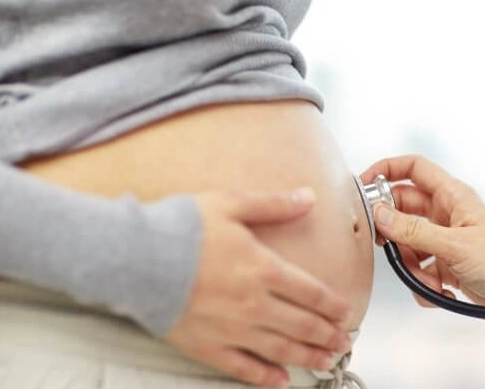
The Takeaway: From 28 weeks onward, make left-side sleeping your default. It optimizes blood flow. Right side is fine too if left is uncomfortable. The goal is simply to be off your back.
What If You Wake Up on Your Back?
This happens to everyone. Don't lie there in a panic. The risk is linked to prolonged periods. Just calmly roll onto your side. The trick is in your setup. A pregnancy pillow or regular pillows used strategically are non-negotiable.
- Block the Roll: Place a firm pillow or a rolled blanket snug against your back after you settle on your side.
- Support the Bump & Hips: Hug a long body pillow or place a pillow between your knees. This aligns your hips and takes pressure off your ligaments.
- Elevate if Needed: If heartburn is brutal, slightly elevate your upper body with an extra pillow or a wedge.
I've talked to so many moms who said, "I just can't stay on my side." Nine times out of ten, they weren't using enough pillow support. It's worth the investment.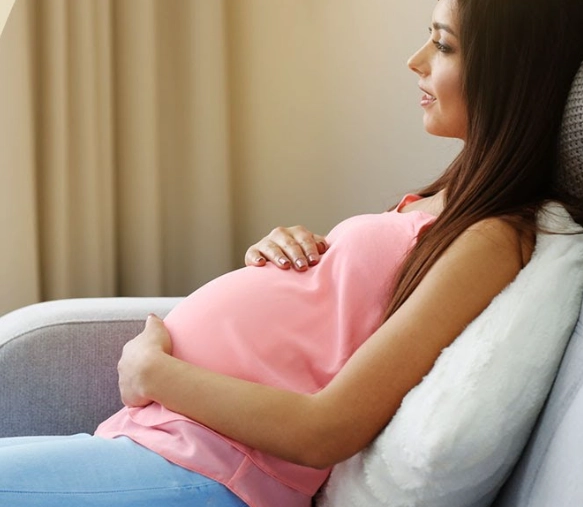
Sitting Postures That Do More Harm Than Good
We spend hours sitting, but rarely think about how. In the third trimester, bad sitting can cause or exacerbate a host of issues: sciatica, pelvic girdle pain, hemorrhoids, and swelling in your feet and ankles.
The Worst Offender: The Deep Couch Slouch
You sink into a soft sofa or recliner, and it feels like heaven for about three minutes. Then, you're stuck. This position rounds your lower back, collapses your chest, and compresses your abdomen and diaphragm. Getting out of it often involves an awkward, straining heave that puts pressure on your pelvic floor. It's a recipe for back pain and heartburn.
Better Alternative: Sit toward the front third of the seat with your feet flat on the floor, knees at or slightly below hip level. Use a small lumbar roll or cushion behind your lower back. If watching TV, set a timer to get up and walk for 2-3 minutes every 30 minutes.
Cross-Legged on the Floor
This one depends entirely on your body. For some, it's a comfortable hip opener. For many in late pregnancy, it can strain the pubic symphysis (the joint at the front of your pelvis) and worsen round ligament pain. If you feel any pulling, pressure, or pain in your pubic bone or inner thighs, switch positions.
Better Alternatives: Sit on a firm cushion to elevate your hips, and try "criss-cross applesauce" with your legs wide in a V-shape, or sit against a wall with the soles of your feet together (butterfly pose). Listen to your joints.
Everyday Movements and Positions to Rethink
This is where most advice gets vague. Let's get specific about daily life.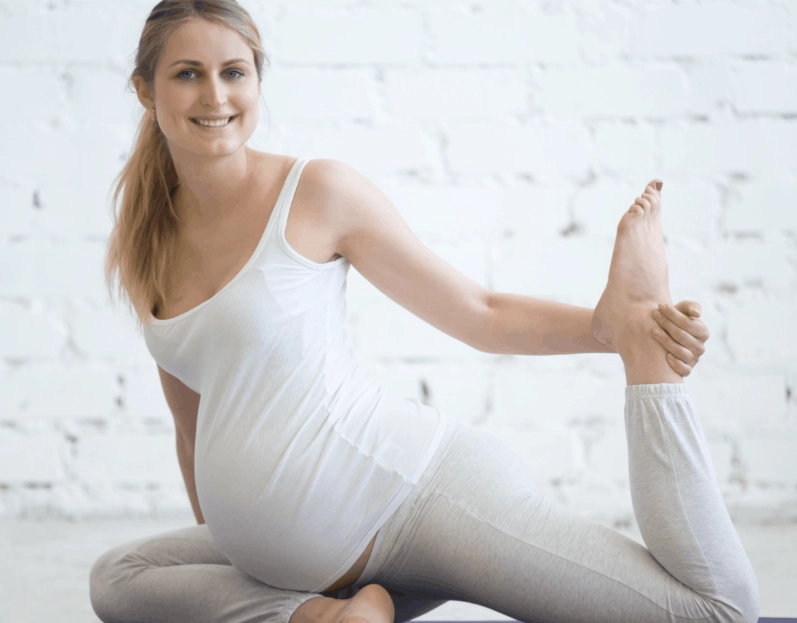
Bending at the Waist
Reaching for a pot, tying a shoe, picking up a toy—bending from the waist shifts your center of gravity forward and strains your back. It also increases intra-abdominal pressure.
The Right Way: For light items, use the "golfer's lift." Keep one foot planted, slightly bend the opposite knee, hinge forward at the hip, and let your free hand rest on your thigh for support. For anything heavier or to reach lower, lower yourself into a shallow squat or lunge, keeping your back straight.
Lying Flat on Your Back for Anything (Even Short Stretches)
A 5-minute back stretch? A quick lie-down to catch your breath? After 28 weeks, it's best to find an alternative. The IVC compression can start quickly. If you must be on your back (for a medical check, for example), prop your right hip and torso up with a wedge or several pillows at a 15-30 degree angle to take the direct pressure off the vessel.
Standing Still for Long Periods
This isn't a "position" per se, but a static posture to avoid. It pools blood in your legs, increasing swelling and varicose veins, and can trigger Braxton Hicks contractions or back pain.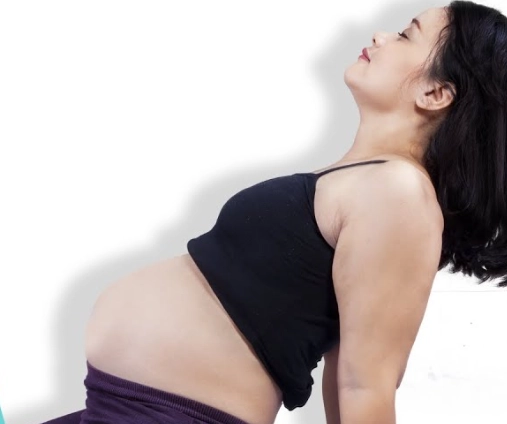
What to Do: Shift your weight from foot to foot. Rock gently heel-to-toe. If you're in a queue, take tiny steps in place. The goal is constant, gentle movement.
| Position to Avoid | Primary Risk/Discomfort | Safer Alternative |
|---|---|---|
| Flat on back sleeping | IVC compression, reduced blood flow, dizziness, associated with increased stillbirth risk. | Side-lying (left preferred), propped with pillows behind back and between knees. |
| Deep couch slouch | Rounded back, compressed abdomen, strained exit, worsens heartburn & pelvic pain. | Sit forward, feet flat, knees level, lumbar support. Take frequent standing breaks. |
| Bending at waist | Strains lower back, shifts center of gravity, increases abdominal pressure. | Golfer's lift (light items) or squat/lunge down (heavier items). |
| Standing completely still | Pooling blood in legs, swelling, back pain, Braxton Hicks. | Micro-movements: weight shifts, heel rocks, gentle marching in place. |
Positions During Exercise and Rest
Staying active is great, but your workout modifications need to be on point.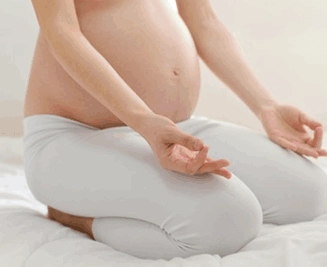
Exercises Lying Supine (on your back)
This includes floor exercises like certain pelvic tilts, glute bridges, or stretches. After the first half of your second trimester, modify these. Do your glute bridges with your upper back and shoulders on a firm bench or sofa, so your torso is inclined. Do pelvic tilts on all fours or standing against a wall.
Prone Positions (on your stomach)
Obviously, this becomes impossible. For yoga or stretching, move to all fours (tabletop position) or use a large, firm bolster to support your torso if you need a similar stretch.
Deep Twists
In yoga or stretching, avoid deep, closed twists that compress the belly. Opt for open twists where you rotate your upper body *away* from your bent knee, giving your bump space.
Resting, too, needs thought. That "quick nap" in a recliner? Ensure it's not putting you in a deep slouch. Elevate your feet to reduce swelling, but make sure your knees are bent and your lower back is supported.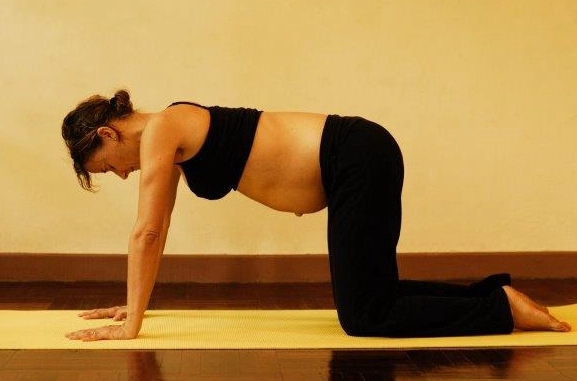
Your Top Questions Answered
The final trimester is about listening to your body with expert knowledge. Discomfort is common, but sharp pain, sustained pressure, or feeling lightheaded are clear signals to change position. It's not about living in fear of every move, but about making intelligent adjustments that support your body's incredible work. Prioritize side-sleeping, mindful sitting, and movement that comes from your legs, not your back. You've got this.
Reader Comments