What's in This Guide
Let's cut to the chase. If you're here, you're probably noticing some weird changes in your body and wondering if it's pregnancy. I've been through this myself—twice—and as someone who's talked to hundreds of women about early symptoms, I can tell you it's not always as straightforward as the lists online suggest. Early pregnancy signs often overlap with PMS or other health issues, but there are subtle clues that can point you in the right direction. In this guide, we'll dive deep into the good signs of early pregnancy, bust some myths, and give you practical steps to take.
Most women start noticing symptoms around 4-6 weeks after their last period, but some pick up on hints even earlier. It depends on your body, your cycle, and honestly, a bit of luck. The key is to observe without obsessing. Easier said than done, I know.
The Most Common Early Pregnancy Signs
These are the classics. If you're pregnant, you'll likely experience at least one of these, but not necessarily all. Everyone's different.
Missed Period: The Big One
This is the most obvious sign, but it's not foolproof. Stress, weight changes, or hormonal imbalances can delay your period too. If your cycle is usually regular and you're late, it's a strong indicator. I remember with my first pregnancy, my period was only two days late, but I just knew something was off. Trust your gut here.
Nausea and Morning Sickness
Don't let the name fool you—it can hit anytime. For me, it was evenings that were worst. This often starts around week 6, but some women feel queasy earlier. It's not just nausea; it's a sudden aversion to smells or foods. Coffee made me gag, and I used to love it. If ordinary scents like perfume or cooking odors turn your stomach, take note.
Breast Changes
Your breasts might feel tender, swollen, or tingly. This can happen before your missed period. The difference from PMS? Pregnancy tenderness tends to be more intense and persistent. The areolas might darken or develop little bumps called Montgomery's tubercles. It's your body prepping for breastfeeding, even this early.
Fatigue That Knocks You Out
This isn't just feeling tired. It's an overwhelming exhaustion where even simple tasks feel like climbing a mountain. Hormonal changes, especially rising progesterone, zap your energy. In my second pregnancy, I'd fall asleep on the couch at 8 PM without fail. If you're suddenly needing naps or struggling to stay awake, it could be a sign.
| Symptom | Typical Onset | How It Differs from PMS | My Personal Note |
|---|---|---|---|
| Missed Period | After expected period date | More reliable if cycles are regular; PMS might cause spotting | Track your cycle with an app—it helps spot irregularities |
| Nausea | Weeks 4-6 | Triggered by specific smells; PMS nausea is rare | Keep crackers by your bed—eating small amounts helps |
| Breast Tenderness | Weeks 4-5 | More intense and lasts longer; areola changes are unique to pregnancy | Invest in a supportive bra early on |
| Fatigue | Weeks 4-5 | Feels like a deep, unshakable tiredness; PMS fatigue is milder | Listen to your body—rest when you can |
Other common signs include frequent urination (thanks to increased blood flow to the kidneys), mood swings, and bloating. But let's be real—these can also happen before your period. The combination is what matters.
Symptoms That Might Catch You Off Guard
Not every sign is textbook. Some women experience less talked-about symptoms that can be confusing.
Implantation Bleeding or Spotting
About 6-12 days after conception, the embryo attaches to the uterine wall, which can cause light spotting. It's often pink or brown and lasts a day or two. Many mistake it for a light period, but timing is key—it happens before your expected period. I didn't have this with either pregnancy, but friends have sworn by it as their first clue.
Food Cravings or Aversions
Suddenly hating foods you loved or craving odd combinations. For example, I couldn't stand the taste of chicken for weeks. This is driven by hormonal shifts and can start early. If you're repulsed by your go-to meals, it might be more than just a bad day.
Heightened Sense of Smell
This one sneaks up on you. You might notice smells from across the room or find ordinary scents overpowering. It's linked to rising estrogen levels. A client once told me she could smell her neighbor's cooking from three floors away—turned out she was pregnant.
Constipation or Bloating
Progesterone slows down your digestive system, leading to constipation and that puffy feeling. It's annoying and often overlooked as a pregnancy sign. Drinking more water and eating fiber-rich foods can help, but if it's new for you, consider it a potential hint.
Expert Insight: One subtle sign many miss is a metallic taste in the mouth, called dysgeusia. It's caused by hormonal changes and can make food taste off. If you're experiencing this along with other symptoms, it's worth noting.
These surprising symptoms aren't as reliable alone, but paired with classics like a missed period, they paint a clearer picture. Don't ignore your body's quirks.
How to Confirm Pregnancy: Tests and Timing
Okay, so you have some signs. What next? Here's a practical breakdown.
When to Take a Home Pregnancy Test
Most tests are accurate from the day of your missed period. But if you're impatient like I was, early-result tests can detect pregnancy 6 days before your missed period. The catch? They're not always reliable that early. hCG levels vary—some women produce enough, others don't. I tested too early with my first and got a negative, only to test positive a week later. My advice: wait until your period is due for peace of mind.
Use first-morning urine for the highest hCG concentration. Follow the instructions exactly—I've seen women mess up by reading the results too late or too early.
Blood Tests and Doctor Visits
If your home test is positive or you're still unsure, see a healthcare provider. They can do a blood test that measures hCG levels more precisely. This is especially useful if you have irregular cycles or symptoms but negative home tests. According to the American College of Obstetricians and Gynecologists, early prenatal care is crucial, so don't delay scheduling an appointment.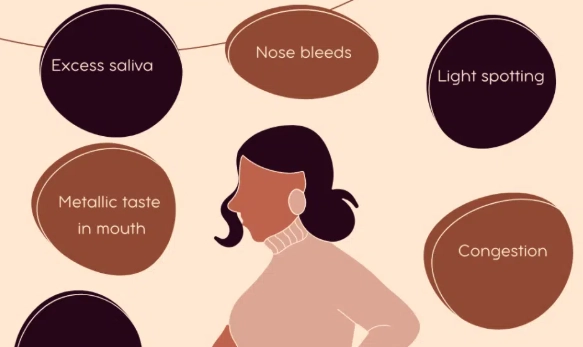
Tracking Your Symptoms
Keep a simple log. Note down symptoms, their intensity, and when they occur. Apps like Clue or Flo can help. This isn't just for confirmation—it helps your doctor understand your timeline later. I used a notebook and jotted things like "extreme fatigue, 3 PM" or "nausea after smelling eggs." It made conversations with my OB-GYN much smoother.
Here's a quick list of steps if you suspect pregnancy:
- Take a home pregnancy test after your missed period.
- If positive, schedule a doctor's appointment for confirmation and prenatal advice.
- If negative but symptoms persist, retest in a few days or get a blood test.
- Start taking prenatal vitamins with folic acid—they're beneficial even before confirmation.
Avoid Dr. Google spiral. It's easy to overanalyze every twinge, but focus on actionable steps instead.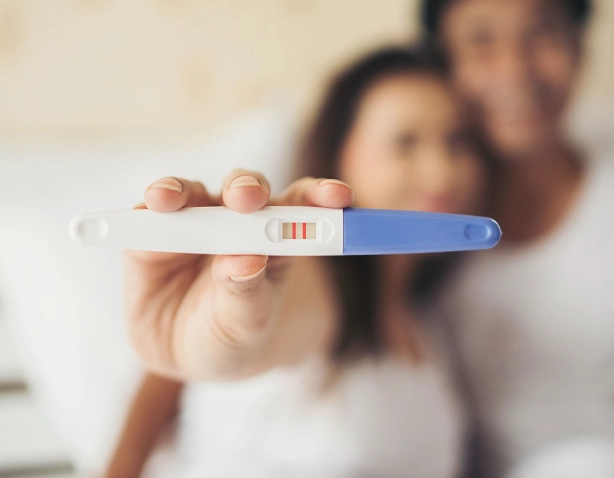
FAQs: Your Burning Questions Answered
Early pregnancy is a mix of excitement and uncertainty. By understanding these signs and taking practical steps, you can navigate this time with more confidence. Remember, every woman's journey is unique—listen to your body, but don't let anxiety take over. If in doubt, reach out to a healthcare professional for personalized guidance.
Reader Comments