Let's be clear about one thing from the start. The two-week wait between ovulation and your expected period can feel like an eternity. You're hyper-aware of every twinge, every shift, every tiny change. Is that nausea or just last night's dinner? Is this fatigue or a busy week catching up? Searching for those very early signs of pregnancy before a missed period is like trying to read tea leaves in a dimly lit room. It's frustrating, uncertain, and emotionally draining.
I remember staring at that stick, heart pounding, willing a second line to appear long before it was even reasonable to test. I scoured forums, looking for any anecdote that matched my experience. The information was everywhere, but it was also confusing and often contradictory. One site would list ten symptoms, another would say you feel nothing at all. It was maddening.
So, let's cut through the noise. This isn't about giving you false hope or making you paranoid. It's about understanding the subtle, biological whispers your body might be making in the days before a pregnancy test can give you a definitive answer. We'll look at the science, separate the common signs from the myths, and talk about what to realistically expect (and what not to expect). Because knowledge, even about uncertain things, can bring a small measure of calm.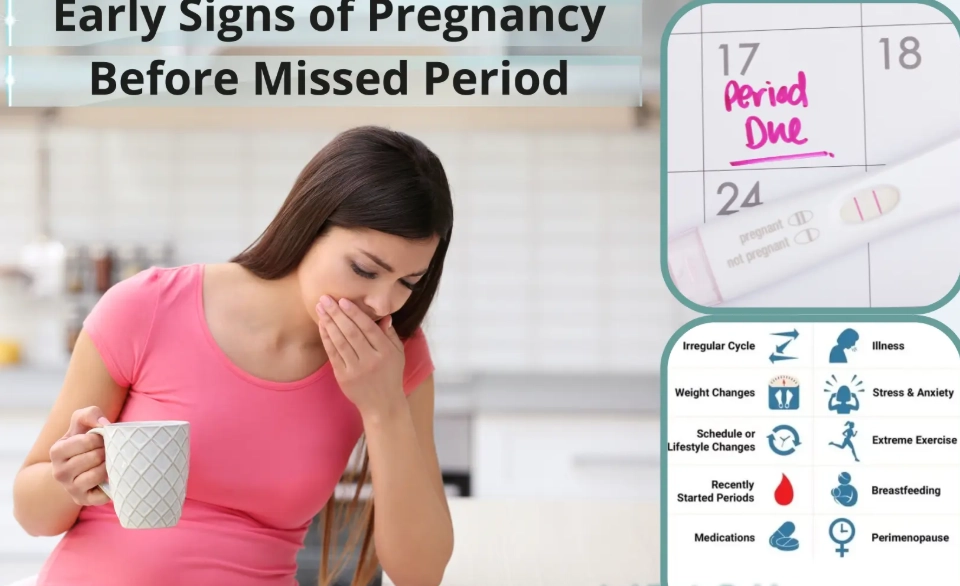
Your Quick Guide
Why You Might Feel Different Before a Missed Period
It all boils down to hormones, and it happens incredibly fast. The moment a fertilized egg implants into the lining of your uterus (typically 6-12 days after ovulation), your body gets the signal to start producing the pregnancy hormone human chorionic gonadotropin (hCG). This is the hormone home pregnancy tests detect. But hCG doesn't work alone. It tells your ovaries to keep producing progesterone and estrogen, hormones that were already elevated after ovulation.
This sudden surge and sustained high level of hormones is what triggers those very early pregnancy symptoms. They're essentially side effects of your body creating a perfect, supportive environment for a new life. The tricky part? These hormones—progesterone in particular—are also responsible for many premenstrual syndrome (PMS) symptoms. That's why distinguishing between early pregnancy and an oncoming period can feel like solving a mystery with identical clues.
The Most Common Very Early Signs: A Detailed Breakdown
Here’s a closer look at the symptoms that frequently pop up in the conversation about early signs of pregnancy before a missed period. I've put them in a kind of "unofficial frequency ranking" based on countless patient reports and clinical observations, but remember, your mileage may vary. Every woman and every pregnancy is unique.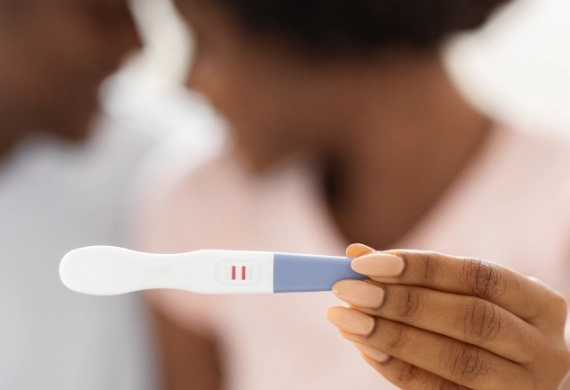
Breast Changes: Tenderness, Tingling, and Fullness
This is often the number one giveaway for many women, and it can be more intense than typical PMS breast soreness. We're not just talking about a little tenderness. It can feel like a deep, heavy achiness, a heightened sensitivity where even the touch of your shirt fabric is irritating. The tingling sensation is also commonly reported—a kind of pins-and-needles feeling. The areolas (the darker area around the nipple) might also appear darker or have more pronounced bumps (Montgomery's tubercles).
Why does this happen? Those rising estrogen and progesterone levels are causing increased blood flow and rapid changes in breast tissue, preparing the milk ducts for their future job. It's one of the most direct physical signs your body is gearing up for something big.
Fatigue That Knocks You Out
This isn't ordinary "I need a coffee" tiredness. This is profound, bone-deep exhaustion that can hit you in the middle of the afternoon, making you feel like you could put your head down on your desk and sleep for hours. You might find yourself yawning constantly or struggling to get through your usual workout.
The culprit here is mostly progesterone, which has a sedating effect. But your body is also starting to work overtime—increasing blood production, building the placenta, and supporting cell division at an incredible rate. It's running a marathon behind the scenes, and it's using a lot of your energy to do it. I found this symptom to be the most dismissible at first (“I'm just not sleeping well”) until it became impossible to ignore.
Nausea and Food Aversions (Yes, Before a Missed Period)
While full-blown "morning sickness" often peaks a few weeks later, a subtle, low-grade nausea or queasiness can absolutely start in the very early days. It might not be vomiting, just a constant, unsettling feeling in your stomach. This often goes hand-in-hand with sudden and intense food aversions. That coffee you love? Suddenly the smell makes your stomach turn. Your favorite chicken dish? The thought of it is repulsive.
This is another gift from hCG and estrogen. They slow down digestion and sharpen your sense of smell, supposedly to protect the embryo from potential toxins. It's a primitive but powerful mechanism. For me, it was the smell of brewing coffee that first set off alarms.
Increased Urination
You might find yourself making more trips to the bathroom, even at night. This can start surprisingly early. It's not because the baby is pressing on your bladder (it's far too tiny for that yet), but because the increased blood flow to your pelvic area and the hormonal changes cause your kidneys to process more fluid, which ends up in your bladder.
Implantation Bleeding and Cramping
This is a big one that causes a lot of confusion. Implantation bleeding is typically very light spotting—a few drops of pink or brown discharge that lasts for a few hours to a couple of days. It's not a full flow. It happens as the fertilized egg burrows into the nutrient-rich uterine lining, sometimes disturbing a few blood vessels.
Accompanying this can be mild implantation cramping. It's usually less intense than period cramps and feels more like a dull ache or a series of light twinges on one side. The key differentiator from a period? The timing (about a week before your period is due) and the extremely light flow. But let's be honest, it's easy to mistake it for an early or light period, which is why it's not a reliable sign on its own.
The Less Talked-About Signs
Some other subtle changes women report include mood swings (more intense than PMS), bloating (thanks, progesterone), constipation (again, slowed digestion), dizziness or lightheadedness (from blood vessels dilating), and a slightly elevated basal body temperature that stays high past when it would normally drop before your period. Some even report a strange metallic taste in their mouth.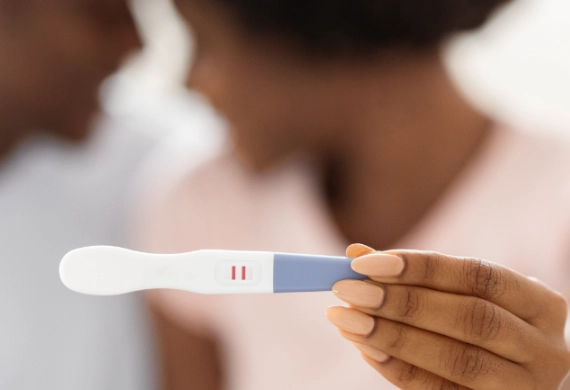
Here’s a quick-reference table to compare these very early signs of pregnancy with their common PMS doppelgängers:
| Symptom | Early Pregnancy Version | Typical PMS Version | Key Differentiator (Sometimes) |
|---|---|---|---|
| Breast Tenderness | Often more intense, aching, with tingling. Areolas may darken. | Tenderness and swelling that usually improves as period starts. | Intensity and persistence past expected period date. |
| Fatigue | Profound, debilitating exhaustion. | Low energy and irritability. | The “hit by a truck” feeling is more classic of pregnancy. |
| Cramping | Mild, dull aches or twinges (implantation). | Often stronger, crampy pains that precede flow. | Pregnancy cramps are usually lighter and not progressive. |
| Bleeding/Spotting | Light pink/brown spotting for 1-2 days (implantation). | Heavier, red flow that lasts several days. | Timing (a week before period) and very light flow. |
| Nausea | Low-grade queasiness, often with food aversions. | Rarely includes true nausea before a period. | Nausea is a much stronger indicator of pregnancy. |
| Mood Swings | Can be intense, ranging from tearful to euphoric. | Often irritability, sadness, or anxiety. | Less clear-cut, but some report a different “flavor” of emotion. |
Looking at that table, you can see why it's so tricky. There's massive overlap. The most reliable pattern is often a combination of symptoms, especially if they include ones less common in PMS like nausea or frequent urination.
When Can You Actually Test? The Timeline of Knowing
This is where patience is a virtue, and where most of us fail miserably. I've been there, testing four days before my period was due on a cheap strip test, squinting in the bathroom light, imagining a faint line that wasn't there (a phenomenon known as a "line eye").
Here’s the reality, backed by science: For the most accurate result, you should wait until the first day of your missed period. Why? Because that's when the concentration of hCG in your urine is reliably high enough for most home tests to detect. According to the U.S. Food and Drug Administration, home pregnancy tests are about 99% accurate when used on the first day of a missed period.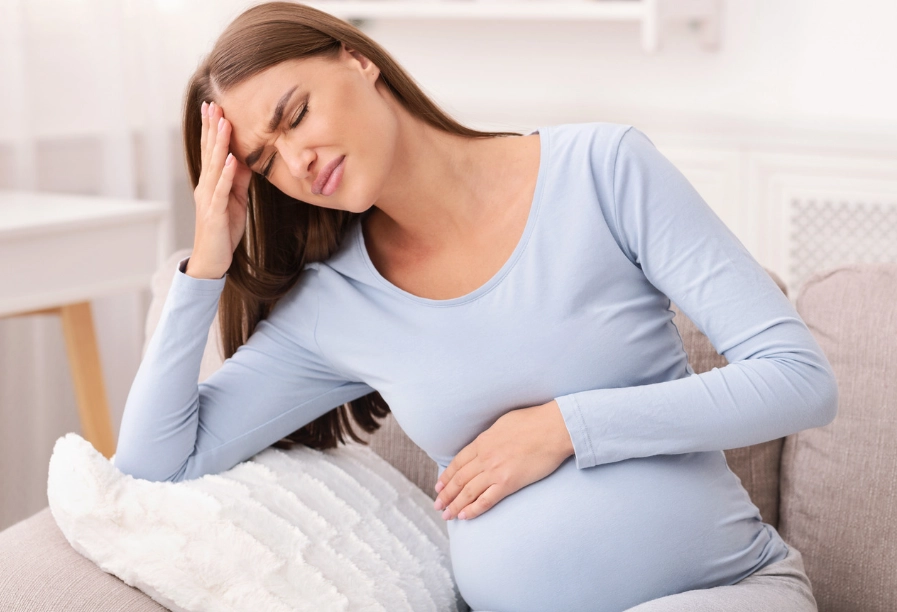
Some modern "early detection" tests claim they can give you results 4-6 days before your missed period. Technically, they might. They are more sensitive to lower levels of hCG. But testing that early comes with a huge caveat:
- False Negatives: You might get a negative result simply because you tested too early, even if you are pregnant. This is the most common reason for an incorrect early test.
- Chemical Pregnancy: A very early positive followed by a negative test and a period can indicate a chemical pregnancy—a very early miscarriage that happens shortly after implantation. It's more common than people think, and early testing makes you more aware of it.
If you do test early and get a negative but still have no period, wait 2-3 days and test again with your first morning urine, which is most concentrated.
What To Do If You Suspect You're Experiencing Early Signs
Okay, so you're ticking off a few boxes on the symptom list. Your breasts are sore, you're exhausted, and you feel a bit off. What's the next practical step?
- Don't Panic (Easier Said Than Done): Acknowledge the possibility without letting it consume you. Symptoms are just clues, not a diagnosis.
- Start Taking a Prenatal Vitamin: If you're trying to conceive, you should already be on one. If not, start now. Folic acid is crucial for preventing neural tube defects in the very early weeks of development, often before you even know you're pregnant. The Centers for Disease Control and Prevention (CDC) strongly recommends all women of reproductive age take 400 micrograms of folic acid daily.
- Live Healthily: Act as if you could be pregnant. Avoid alcohol, limit caffeine, skip the sushi and deli meats, and don't change the cat litter (toxoplasmosis risk). It's a precautionary principle.
- Track Your Symptoms: Make a quick note in your phone's calendar. It can be helpful later, both for your own peace of mind and to provide information to a healthcare provider.
- Wait to Test: I know, I'm a broken record. But try to hold off until at least the day your period is expected for a more definitive answer.
When to Call a Doctor
You don't need to call a doctor the second you get a positive home test (though you'll want to!). However, you should seek medical advice immediately if you experience any of the following, as they could indicate a serious problem:
- Severe abdominal or pelvic pain, especially if it's concentrated on one side.
- Heavy bleeding that soaks through a pad in an hour, with or without severe cramps.
- Dizziness, fainting, or shoulder tip pain (a potential sign of ectopic pregnancy).
- Severe, persistent vomiting that prevents you from keeping any fluids down.
Otherwise, after a positive home test, your next step is to schedule an appointment with your OB-GYN or a midwife. They will confirm the pregnancy, often with a blood test that measures the exact level of hCG, and start your prenatal care. The American College of Obstetricians and Gynecologists (ACOG) recommends your first prenatal visit happen around 8 weeks of pregnancy, but they may see you sooner for confirmation and initial bloodwork.
Frequently Asked Questions (The Stuff You're Secretly Googling)
A Final, Sobering Thought
The journey of looking for very early signs of pregnancy before a missed period is fraught with hope, doubt, and biology's cruel sense of humor. The symptoms are real for many women, but they are also notoriously ambiguous.
The hardest lesson I had to learn—and one I see my friends struggle with constantly—is that you cannot symptom-spot your way into a pregnancy. You can have every symptom in the book and not be pregnant. You can have none and be pregnant. The body is a complex, wonderful, and sometimes misleading system.
The best tool you have during this waiting period is not a magnifying glass for your symptoms, but a measure of kindness toward yourself. Distract yourself. Go for a walk. Watch a silly movie. Call a friend and talk about anything else. The time will pass, and your body will reveal its truth in due course, either with a period or a positive test.
Until then, listen to it, care for it, but try not to interrogate it. The answers will come.
Reader Comments