Your Vitamin Roadmap: Quick Navigation
- Why Bother with Vitamins Before You're Even Pregnant?
- The Non-Negotiable: Key Nutrients to Look For
- Putting Them to the Test: A Side-by-Side Look
- How to Choose What's Right for YOU (It's Not One-Size-Fits-All)
- Common Questions (And Straightforward Answers)
- The Final Piece of the Puzzle: Lifestyle Beyond the Pill
- Wrapping It Up: Your Action Plan
Let's be real for a second. Trying to figure out the whole pre pregnancy vitamins thing can feel like you need a degree in biochemistry. You walk down the supplement aisle or scroll online, and you're hit with a wall of options. “Prenatal,” “Preconception,” “Fertility Support,” bottles promising everything under the sun. Which one is actually right for you? It’s not just about grabbing the first bottle you see with a picture of a happy baby on it. The choice you make now can have a real impact, and honestly, it’s a decision that deserves a bit of your time and attention.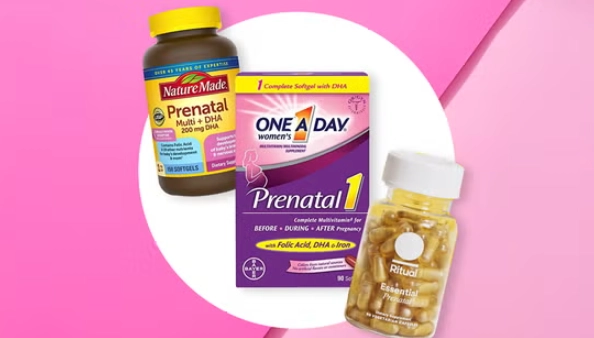
I remember when my friend Sarah was starting her journey. She spent weeks overwhelmed, comparing labels in the pharmacy, terrified of picking the wrong one. She kept asking, “What if I miss something important?” That feeling of uncertainty is so common, and it’s exactly why I wanted to break this down without the marketing fluff. We’re going to talk about what your body really needs during those crucial months before you even see a positive test, and how to spot the best pre pregnancy vitamins for your specific situation.
Why Bother with Vitamins Before You're Even Pregnant?
This is the first question a lot of people have. Why start early? Can't you just start taking them once you know you're expecting? Well, you could, but you'd be missing a critical window. Some of the most important developments in a pregnancy happen in the first few weeks—often before you miss a period. That’s when the baby’s neural tube, which becomes the brain and spinal cord, is forming.
The superstar nutrient for this is folic acid. But your body needs time to build up adequate levels. Starting at least one month before conception is the general advice, but many experts and sources like the Centers for Disease Control and Prevention (CDC) recommend three months. This isn't just a random suggestion; it's based on the biological cycle of egg and sperm development, which takes about 90 days.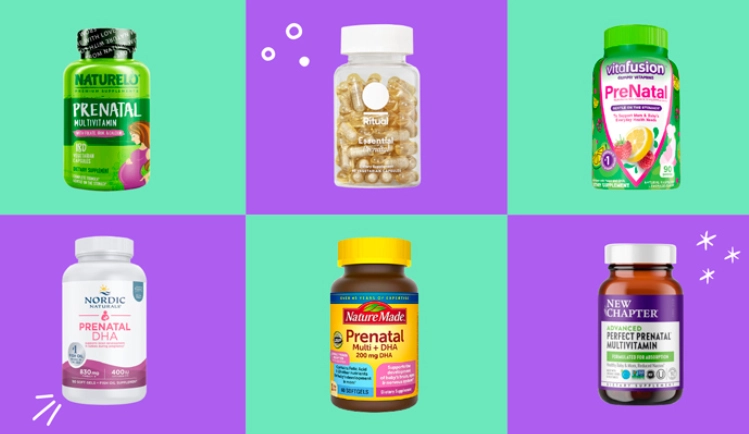
And it’s not just about the baby. Your body is about to become a life-support system. It needs its own reserves to be topped up. Pregnancy can deplete your iron, calcium, and other vitamins. Starting early helps ensure you stay healthy, which is just as important for a smooth pregnancy.
The Non-Negotiable: Key Nutrients to Look For
Alright, let's get into the meat of it. What separates a mediocre supplement from the best pre pregnancy vitamins? It all comes down to the ingredient list. Don't just look at the fancy branding; turn that bottle around and read the “Supplement Facts” panel.
Folic Acid (Folate): The Undisputed Champion
This is the one everyone talks about, and for good reason. Folic acid is the synthetic form of vitamin B9, while folate is the form found naturally in foods. It's essential for preventing neural tube defects like spina bifida. The standard recommended dose is 400 to 800 micrograms (mcg) daily for most women.
But here’s where it gets interesting. Some of the best pre pregnancy vitamins now use methylfolate (listed as L-methylfolate or 5-MTHF) instead of plain folic acid. Why? A significant portion of the population has a genetic variation (MTHFR gene mutation) that makes it harder for their bodies to convert folic acid into the active form the body can use. Methylfolate is that active form, ready to go. If you've ever felt like regular vitamins just didn't “work” for you, this could be why. It’s a more bioavailable option, though often a bit pricier.
Iron: Fueling Your Blood Supply
Your blood volume is going to increase by nearly 50% during pregnancy. That requires a lot of iron to make all that new hemoglobin. Starting with good iron stores prevents anemia, which can cause debilitating fatigue (beyond the usual pregnancy tiredness). Look for around 18 mg in a preconception vitamin. Some brands offer it, some save the higher iron doses (27 mg) for their actual prenatal formulas. If you have heavy periods, paying attention to your iron intake beforehand is even more crucial.
A quick personal gripe: Iron can be really tough on the stomach for some people, causing constipation or nausea. If you're sensitive, look for a formula that uses ferrous bisglycinate, which is generally gentler than ferrous sulfate. It’s a small detail that makes a huge difference in daily comfort.
Other Vital Players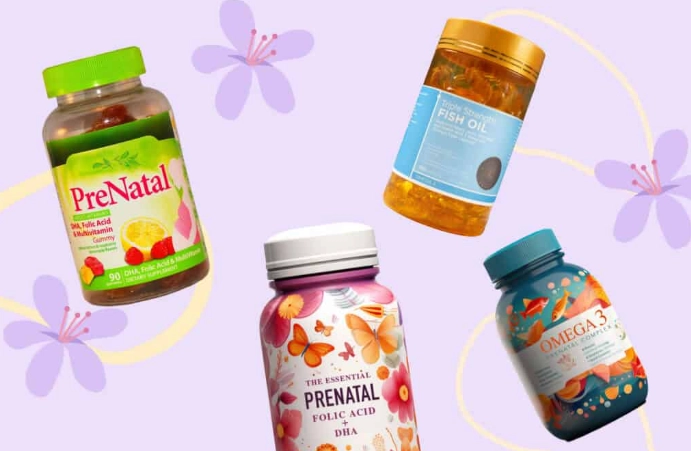
- Iodine: Critical for your future baby’s brain development and your thyroid function. About 150 mcg is the target. It’s surprising how many brands leave this out. The American Thyroid Association strongly recommends it for women planning pregnancy.
- Choline: This is the new(ish) kid on the block getting a lot of well-deserved attention. It supports brain and spinal cord development, similar to folic acid. Many experts believe the standard recommendation (425 mg) is too low for pregnancy. Aim for a supplement that provides at least 100-150 mg to complement your diet.
- Vitamin D: Supports immune function and helps your body absorb calcium. Most of us are deficient, especially if we use sunscreen or live in northern climates. Look for at least 600-1000 IU (International Units).
- Omega-3 DHA: This fatty acid is a building block for the fetal brain and eyes. While often found in separate fish oil pills, the best pre pregnancy vitamins are starting to include it in their formulas. A good target is 200-300 mg of DHA.
Putting Them to the Test: A Side-by-Side Look
Talking about nutrients is one thing. Seeing how popular brands stack up is another. I’ve put together a comparison of some of the most talked-about options. Remember, “best” is subjective and depends on your needs, diet, and tolerance.
| Brand & Product | Key Strengths | Potential Drawbacks | Best For... |
|---|---|---|---|
| Ritual Essential Prenatal | Traceable ingredients, methylfolate, vegan DHA from algae, delayed-release capsule designed to ease nausea, includes choline & iron. | Subscription-only model, higher price point, no iodine (you must get this separately). | Those with sensitive stomachs, vegans, and detail-oriented people who want ingredient transparency. |
| Thorne Basic Prenatal | Highly reputable brand trusted by clinicians, uses methylfolate, includes active forms of B-vitamins, good choline amount, contains iodine. | Requires taking 3 capsules daily, no DHA included, can be expensive. | Women who may have MTHFR concerns or want a very high-quality, no-frills, complete formula from a science-backed company. |
| Nature Made Prenatal Multi + DHA | Widely available (drugstores, Costco), affordable, includes a separate DHA softgel in the pack, contains folic acid and iron. | Uses folic acid (not methylfolate), contains some artificial colors, larger pills, no choline, and a relatively low dose of DHA. | Budget-conscious shoppers who want an accessible, all-in-one option with basic coverage from a well-known brand. |
| Garden of Life Vitamin Code Raw Prenatal | Raw, food-created nutrients, includes probiotics and enzymes for digestion, whole food blend, uses methylfolate. | Requires taking 3 large capsules daily, no iron or DHA included (must be supplemented separately). | Those preferring a “whole food” approach who don't need supplemental iron and are okay building their regimen with separate DHA/iron. |
| SmartyPants Prenatal Formula | Gummy format, includes methylfolate, omega-3 DHA & EPA, and vitamin D. Tastes good and easy to take. | Gummies contain sugar, no iron or calcium (a major gap), and you must take 4 gummies daily. | Anyone who absolutely cannot swallow pills and gets enough iron/calcium from their diet. A good “gateway” option. |
Looking at this table, you can see there are trade-offs. The gummy might be easy but misses iron. The one with great ingredients might cost more. The affordable one might use less optimal forms. There’s no single perfect answer for everyone, which is why understanding your own needs is step one.
How to Choose What's Right for YOU (It's Not One-Size-Fits-All)
This is the part most articles skip. They just give you a “top 5” list and call it a day. But you're not a generic person. Your diet, your health, your lifestyle—they all matter. Asking yourself these questions can point you toward your personal best pre pregnancy vitamins.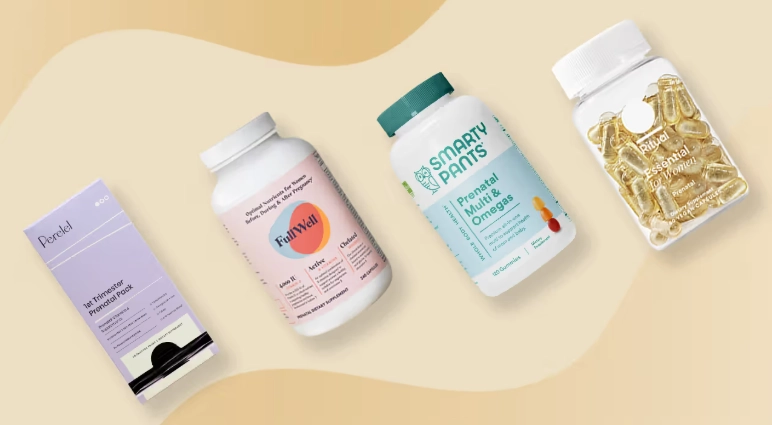
- What does your diet already look like? Are you a vegetarian or vegan? You’ll need to prioritize iron, B12, and a vegan DHA source. Do you eat fish twice a week? You might not need as much supplemental DHA. Do you consume dairy? Calcium might be less of a concern. Use a food tracking app for a week to get a rough idea.
- Do you have any known digestive sensitivities? If you get nauseous easily or have IBS, a gentle, slow-release formula or one with digestive enzymes might be a lifesaver.
- What’s your budget? High-quality supplements can be an investment. Be realistic. A moderately-priced vitamin you take consistently is far better than an expensive one that sits in the cupboard because it upsets your stomach or blows your budget.
- Have you had your blood levels checked? Talking to your doctor and getting a simple blood test can reveal if you’re deficient in Vitamin D, iron, or B12. This is the single best way to personalize your approach. You might need a higher dose of something specific to start.
Common Questions (And Straightforward Answers)
The Final Piece of the Puzzle: Lifestyle Beyond the Pill
Popping the best pre pregnancy vitamins you can find is a fantastic step, but it’s not a magic bullet. It works best as part of a bigger picture. Think of the vitamin as your nutritional safety net, catching any gaps from your diet.
What you eat matters just as much. Focus on building a plate with plenty of leafy greens (for folate!), lean proteins (for iron and building blocks), healthy fats (for hormone production), and colorful fruits and vegetables (for antioxidants). The MyPlate guidelines from the USDA are a great, no-nonsense resource for healthy eating during this time.
Other lifestyle factors play a huge role:
- Manage Stress: Easier said than done, I know. But chronic stress can mess with your cycles. Find what helps you unwind—a walk, reading, yoga, whatever works.
- Moderate Exercise: Staying active helps regulate weight and hormones, but don’t go overboard. Extreme exercise can sometimes hinder conception.
- Avoid Toxins: This means cutting out alcohol and recreational drugs, and seriously reducing or quitting smoking. Also, be mindful of environmental toxins where you can.
- See Your Doctor: A preconception check-up is invaluable. They can review your medications, update vaccinations, and give personalized advice.
Wrapping It Up: Your Action Plan
Okay, we’ve covered a lot of ground. If you’re feeling overwhelmed, just break it down into steps.
- Schedule a doctor’s appointment for a preconception chat and possible blood work.
- Audit your diet for a few days to see where your gaps might be.
- Make a list of your personal needs (pill size preference, budget, dietary restrictions).
- Compare 2-3 brands that seem to fit those needs, using the “Supplement Facts” label as your guide. Prioritize methylfolate, iron, iodine, and choline.
- Pick one and start. Consistency is more important than perfection. If the first one doesn’t agree with you after a fair trial, switch!
The journey to finding the best pre pregnancy vitamins is really about taking control and making an informed choice for your health and your future family. It’s an act of care, for yourself and the little one you hope to meet. Don’t get lost in the minutiae. Find a quality option that fits your life, take it consistently, and pair it with healthy habits. You’ve got this.
And remember, while this guide is thorough, it’s not a substitute for medical advice from your own healthcare provider. They know your history and can give you the final, personalized green light. Now, go find your perfect match.
Reader Comments