Let's talk about age and pregnancy. It's a conversation filled with anxiety, confusing statistics, and often, a lot of pressure. You've probably seen a simple chart showing risks going up after 35. But what does that actually mean for you? As someone who's spent years discussing this with patients and watching friends navigate pregnancies from their late 20s to early 40s, I can tell you the full picture is more nuanced—and more manageable—than a single upward-trending line suggests.
This isn't about fear-mongering. It's about empowerment through information. We're going to break down the pregnancy risks by age, decade by decade, looking at both the challenges and the often-overlooked advantages. We'll move beyond the basic chart to the practical steps you can take, no matter your age, to stack the odds in your favor.
What You'll Find in This Guide
The Basics: Unpacking the "Pregnancy Risks by Age" Chart
Most charts focus on one thing: the chance of having a baby with a chromosomal condition like Down syndrome. Yes, that risk increases with maternal age. At 25, it's about 1 in 1,350. At 35, it's roughly 1 in 350. By 40, it's about 1 in 100. These numbers are real.
But here's the first non-consensus point: fixating solely on this one metric gives you a dangerously incomplete picture. Pregnancy is a multi-system event. A 20-year-old has a near-zero risk for a chromosomal issue but a higher relative risk of preeclampsia than a 30-year-old. A 40-year-old might face more fertility challenges but often brings financial stability and emotional readiness that can profoundly impact postnatal outcomes.
My Take: The biggest mistake I see is women in their late 30s feeling doomed by the "geriatric pregnancy" label. The label is outdated, but the medical vigilance it triggers is actually a benefit. You get more monitoring, earlier testing, and closer care. The key is to see this not as a scarlet letter, but as a tailored care plan.
Let's look at a more holistic chart. Think of it as your cheat sheet.
| Age Group | Key Biological Risks | Potential Advantages | Primary Focus for Care |
|---|---|---|---|
| 20-24 | Highest fertility, lowest chromosomal risk. Higher rates of preterm birth & preeclampsia (vs. late 20s). | Physical resilience, faster recovery. More time for family planning. | Access to prenatal care, nutrition education, managing socioeconomic stressors. |
| 25-29 | Still very high fertility, very low chromosomal risk. Often considered the biological "sweet spot." | Good balance of biological health and increasing life stability for many. | Standard prenatal screening. Establishing healthy habits for current and future pregnancies. |
| 30-34 | Fertility begins gradual decline. Chromosomal risk starts its slow, steady increase. | Often greater career/financial stability, established relationships, emotional maturity. | Discussing fertility timeline if desired family isn't complete. Possibly considering prenatal genetic screening (NIPT). |
| 35-39 | Fertility decline more noticeable. Risk for gestational diabetes, hypertension, multiples, and chromosomal conditions increases. Labeled "Advanced Maternal Age." | High levels of preparedness, intentionality, and often robust support systems. | Enhanced monitoring: Early glucose testing, detailed anatomy scans, genetic counseling, discussion of diagnostic testing (amniocentesis). |
| 40+ | Significantly higher risk for chromosomal conditions, miscarriage, gestational diabetes, preeclampsia, cesarean delivery, and low birth weight. | Profound life experience, typically strong decision-making skills, clear personal readiness. | Specialist care often recommended: Maternal-Fetal Medicine (MFM) consultation. Strong emphasis on diagnostic testing options and managing chronic conditions. |
Your 20s: The Fertility Peak and Hidden Challenges
Biologically, this is prime time. Your ovaries have their largest reserve of high-quality eggs. Conception, if no other issues exist, is usually fastest here. The risk for most chromosomal abnormalities is at its absolute lowest.
But.
We rarely talk about the other side. A 22-year-old might be finishing college, in an unstable job, or in a less-than-ideal relationship. Prenatal care might be delayed due to cost or lack of insurance. Nutrition might be spotty. These socioeconomic factors are massive determinants of pregnancy outcome. Studies consistently show that teens and very young adults have higher rates of preterm birth, low birth weight, and preeclampsia compared to those in their late 20s.
The Real-World Scenario
Imagine Jen, 23. She gets pregnant easily. Her risk for Down syndrome is tiny. But she's working part-time without health insurance. She postpones her first prenatal visit until she's 16 weeks along, missing crucial early screenings and folic acid supplementation guidance. Her risk profile isn't defined by her age alone, but by the system around her.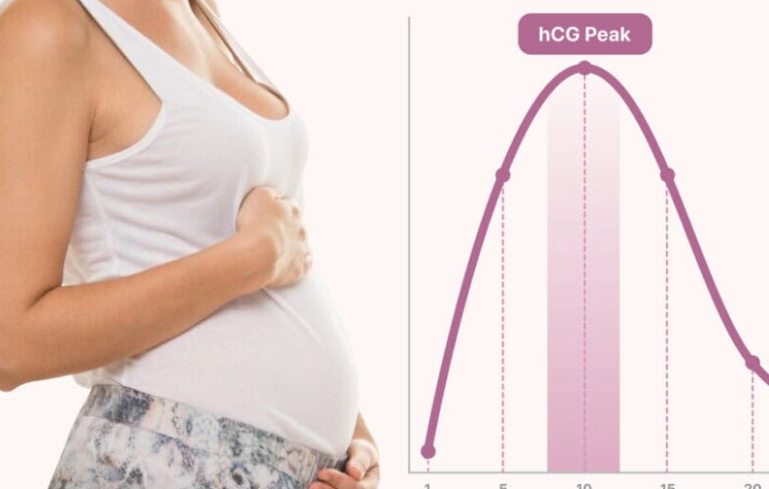
Your 30s: The Decade of Shifting Balance
This is where the conversation gets interesting. The early 30s (30-34) are, for many women, an excellent balance. Fertility is still very good for most. Chromosomal risks are still low. And there's often a significant uptick in life stability—better income, stable housing, mature partnerships.
The shift happens around 35, the arbitrary but entrenched line of "Advanced Maternal Age." The biological changes are real: egg quantity and quality decline more rapidly. This translates directly to the increased statistical risks you see on charts.
But here's another crucial nuance: A healthy 38-year-old who exercises, doesn't smoke, and has no chronic conditions is at a lower overall risk than an unhealthy 32-year-old with obesity and unmanaged hypertension. Age is a major factor, but it's not the only factor.
The medical response shifts here. You'll likely be offered Non-Invasive Prenatal Testing (NIPT), a simple blood test after 10 weeks that screens for major chromosomal issues with high accuracy. You might have an earlier glucose challenge test. Your doctor will monitor your blood pressure more closely. This isn't a punishment; it's a more tailored, cautious approach.
Age 40 and Beyond: Navigating "Advanced Maternal Age" with Clarity
Let's be direct. Pregnancy at 40, 41, 42 and beyond comes with significantly higher statistical risks. The chance of miscarriage rises due to higher rates of chromosomal abnormalities in embryos. The risks for gestational diabetes and hypertensive disorders are higher. The chance of having twins (often fraternal, due to hormonal changes) increases.
But let me share a story. A close friend had her first at 41. Yes, she did IVF. Yes, she had gestational diabetes she managed with diet. Yes, she had extra scans and saw a maternal-fetal medicine specialist. Her pregnancy was classified as "high-risk." But she delivered a healthy baby girl at 39 weeks. She says the constant monitoring, while anxiety-provoking at times, ultimately made her feel incredibly cared for. She was informed at every step.
The protocol becomes more intensive and should involve a specialist. Diagnostic tests like chorionic villus sampling (CVS) or amniocentesis move from "maybe consider" to "strongly recommended" to get a definitive answer about chromosomes. The cost of these tests can be a barrier, but many insurance plans cover them fully after 35. Amniocentesis, for example, can cost anywhere from $1,000 to $2,500 out-of-pocket, but with a qualifying diagnosis like maternal age over 35, it's often covered.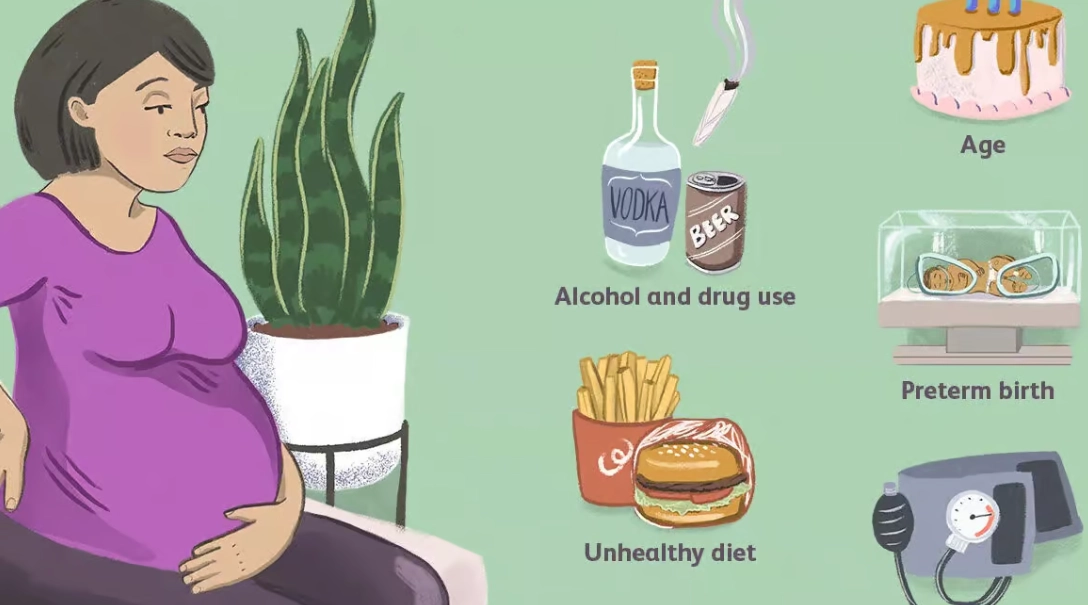
Your Proactive Steps: The Great Equalizer
No matter your age, you are not a passive passenger. Your actions before and during pregnancy are powerful modifiers.
Preconception Care (The Golden Rule): This is the single most impactful thing you can do. See your doctor before you start trying. Get chronic conditions (thyroid, diabetes, hypertension) under optimal control. Start a prenatal vitamin with 400-800 mcg of folic acid at least 3 months prior. Address your weight if needed. This visit is worth its weight in gold.
Lifestyle is Non-Negotiable: Regular moderate exercise, a balanced diet rich in iron and calcium, zero alcohol, and absolutely no smoking. These habits lower your baseline risk for complications across all age groups.
Choose Your Provider Wisely: If you're 38, you might want an OB/GYN who specializes in higher-risk pregnancies or has privileges at a hospital with a great NICU. Don't be afraid to interview doctors. Ask: "What is your typical protocol for patients my age?"
Mental Health Matters: The anxiety of a "high-risk" label is real. Seek support—a therapist, a support group for older moms, or trusted friends. Your emotional well-being is part of your prenatal health.
Your Questions, Answered
There's no single "best" age that eliminates all risks. The concept is about balancing different types of risks. In your early 20s, biological risks like chromosomal conditions are lowest, but you might face higher socioeconomic challenges. Your late 20s to early 30s often offer a sweet spot of lower biological risk combined with greater life stability. The key is understanding the spectrum: younger ages have very low risks for certain conditions but higher rates of others like preeclampsia in teens, while risks for chromosomal issues rise steadily after 35. It's less about finding a perfect age and more about being prepared for the risk profile of your specific age bracket with proactive prenatal care.
First, congratulations. At 41, enhanced screening and diagnostic testing are crucial, not just optional. You should discuss and likely plan for: 1) A first-trimester combined screen (nuchal translucency ultrasound + blood work) around 11-14 weeks. 2) Non-Invasive Prenatal Testing (NIPT), a blood test that screens for common chromosomal conditions with high accuracy. It's often a first-line tool for advanced maternal age. 3) A detailed anatomy scan (Level 2 ultrasound) around 18-22 weeks, performed by a specialist in maternal-fetal medicine. 4) A discussion about diagnostic tests like chorionic villus sampling (CVS) or amniocentesis. Many women fear amniocentesis, but the miscarriage risk is now incredibly low (about 0.1-0.3%) when performed by an experienced specialist. The peace of mind or definitive information it provides can be invaluable. Also, insist on early and regular glucose screening for gestational diabetes and closer blood pressure monitoring.
Absolutely, and this is where many women feel empowered. While you can't change your chronological age or the associated baseline risk for chromosomal issues, you can dramatically influence what doctors call 'modifiable risk factors.' Think of it as strengthening the soil for the seed. Key moves: 1) Start a prenatal vitamin with at least 400 mcg of folic acid 3 months before conception—this is non-negotiable for preventing neural tube defects. 2) Achieve a healthy weight before pregnancy. This single factor lowers risks for gestational diabetes, hypertension, and cesarean delivery. 3) Get chronic conditions like thyroid issues, diabetes, or hypertension under optimal control with your doctor BEFORE you conceive. 4) Eliminate alcohol, smoking, and recreational drugs. 5) Build a consistent, moderate exercise routine (like brisk walking or swimming) before and during pregnancy. These steps don't erase the 'advanced maternal age' label, but they put you in the healthiest possible position within your age group, which statistically leads to better outcomes.
The "pregnancy risks by age" chart is a starting point, not a verdict. It's a tool for understanding, not for fear. Your age is one data point in a much larger picture that includes your overall health, your habits, your support system, and the quality of your medical care. Use this information to ask better questions, advocate for yourself, and approach your pregnancy journey—whenever it happens—with eyes wide open and confidence in your ability to navigate it.
Reader Comments