In This Guide
- Before You Even Conceive: The Pre-Pregnancy Power Players
- The Absolute Must-Haves: The Core Most Important Vitamins for Pregnancy
- The Crucial Supporting Cast: Other Vitamins and Minerals That Matter
- Common Questions About the Most Important Vitamins for Pregnancy
- Putting It All Together: A Practical Action Plan
Let's be honest, the moment you see those two lines or get the confirmation from your doctor, a million thoughts race through your mind. Excitement, sure. A little panic, maybe. And almost immediately, the question pops up: "What should I be eating? What do I need to take?" It's overwhelming. Suddenly, every bite feels loaded with consequence. I remember staring at my prenatal vitamin bottle, wondering if this little pill was enough, or if I was missing something crucial.
You're not just eating for two; you're building a whole new person from scratch. That's pretty incredible, and it means your body's nutritional demands go through the roof. While a balanced diet is the absolute foundation, there are certain nutrients that are so vital for your baby's development and your own health that supplementing them becomes non-negotiable. This isn't about scare tactics—it's about giving you and your little one the best possible start.
So, let's cut through the noise. We're going to talk about the real deal: the most important vitamins for pregnancy, why they matter more than others, how much you actually need (spoiler: it's not always "the more, the better"), and where to find them in your food. Forget the generic lists; we're diving deep into what each one does, the real-world signs you might be low, and how to make smart choices.
Before You Even Conceive: The Pre-Pregnancy Power Players
This one catches a lot of people off guard. The truth is, the most critical window for some nutrients is before you know you're pregnant. The first few weeks, when the baby's neural tube (which becomes the brain and spine) is forming, are especially sensitive. If you're planning a pregnancy, starting early is the single smartest move you can make.
The undisputed champion of this pre-game period is Folic Acid (Vitamin B9). I can't stress this enough. Getting enough folic acid slashes the risk of serious neural tube defects like spina bifida by up to 70%. The U.S. Centers for Disease Control and Prevention (CDC) is crystal clear on this: all women of childbearing age should get 400 micrograms (mcg) of folic acid daily. Once pregnant, that recommendation jumps to 600 mcg.
But here's a nuance most articles miss: there's a difference between folic acid (the synthetic form in supplements and fortified foods) and folate (the natural form in food). Your body uses them slightly differently. Some people have a genetic variation that makes it harder to process folic acid. That's why you'll see some pricier prenatal vitamins containing L-methylfolate, the active form that everyone can use. Is it necessary for everyone? Probably not, but it's something to discuss with your doctor if you have a family history of neural tube defects.
The other pre-conception star is Iodine. It's crucial for your baby's brain development and for regulating your own thyroid function. Iodine deficiency is the leading preventable cause of intellectual disability worldwide. Many prenatal vitamins include it now, but check your label. The recommended amount is 220 mcg during pregnancy.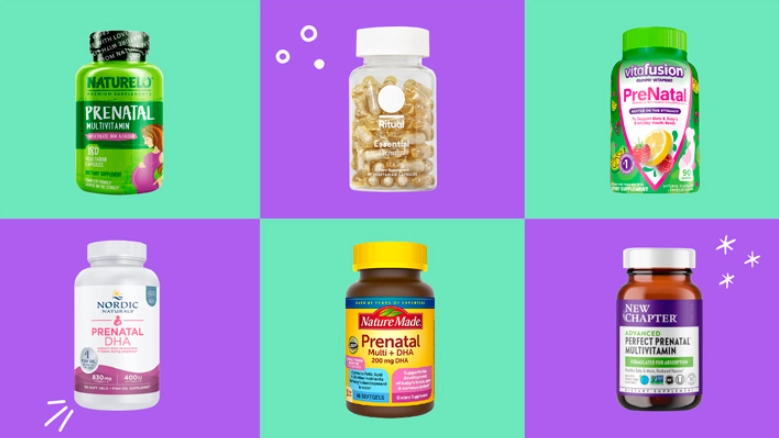
Honestly, the quality of prenatal vitamins varies wildly. Some are just basic, others are packed with extras. Starting one at least three months before trying to conceive is the gold standard advice. It builds up your stores and means you're covered from day one.
The Absolute Must-Haves: The Core Most Important Vitamins for Pregnancy
Okay, let's get into the heart of it. Once you're pregnant, these are the nutrients that deserve a permanent spot on your radar. They're not just important; they're essential for fundamental processes.
1. Folic Acid / Folate: The Neural Architect
We already talked about its pre-conception role, but its job is far from over. Throughout pregnancy, folate is vital for rapid cell growth and division, for making DNA, and for preventing certain types of anemia in you. The jump from 400 mcg to 600 mcg daily reflects this increased demand.
2. Iron: The Oxygen Delivery System
If folic acid is the architect, iron is the construction crew's oxygen tank. Your blood volume increases by nearly 50% during pregnancy to support the placenta and your growing baby. Iron is the core component of hemoglobin, the protein in red blood cells that carries oxygen.
Without enough iron, you can develop iron-deficiency anemia. This isn't just about feeling tired (though pregnancy fatigue is bad enough on its own!). Severe anemia can increase the risk of preterm delivery, low birth weight, and even postpartum depression. The recommended daily intake skyrockets to 27 mg during pregnancy (compared to 18 mg for non-pregnant women).
Here's a practical tip that few people know: iron from animal sources (heme iron) is absorbed much more easily than iron from plant sources (non-heme iron). So, while spinach and lentils are great, the iron from a piece of lean beef or chicken is more readily used by your body. If you're vegetarian or don't eat much meat, pairing plant-based iron with a source of Vitamin C (like bell peppers or orange juice) can boost absorption significantly.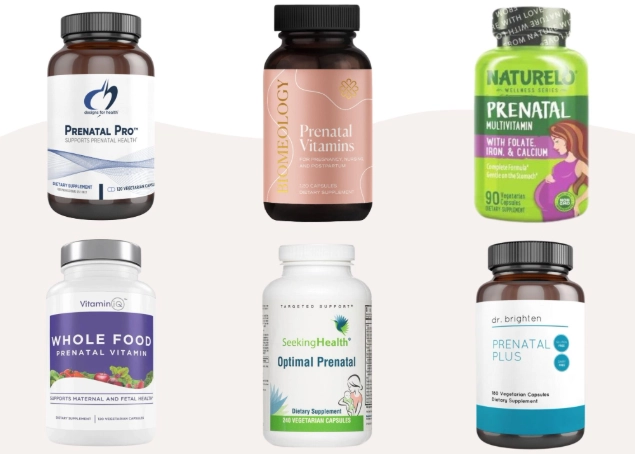
3. Vitamin D: The Sunshine Builder
Vitamin D works hand-in-hand with calcium to build your baby's bones and teeth. But its role is expanding in the research world. Adequate Vitamin D levels are now linked to a healthy immune system for both mom and baby, and some studies suggest it may play a role in preventing preeclampsia. The tricky part? It's really hard to get enough from food alone (fatty fish and fortified milk are the main sources). Sunlight triggers its production, but sunscreen use and geography make that unreliable.
The official recommendation is 600 IU (International Units) daily, but many experts and obstetricians believe pregnant women need more—sometimes 1000-2000 IU or even higher, especially if you have darker skin, live in northern latitudes, or get little sun exposure. A simple blood test can check your levels. The National Institutes of Health (NIH) has a great fact sheet that dives into the current research on Vitamin D.
This is one of those most important vitamins for pregnancy where the generic amount in a prenatal might not be enough for you personally. It's worth a conversation.
4. DHA (An Omega-3 Fatty Acid): The Brain Food
Okay, technically not a vitamin, but no list of most important vitamins for pregnancy is complete without it. DHA is a crucial structural fat that makes up a large part of your baby's developing brain and eyes, especially in the third trimester when brain growth is explosive.
The research on DHA is compelling. Higher intakes are associated with better cognitive outcomes, visual acuity, and even a slightly reduced risk of preterm birth. The recommended minimum is 200 mg per day, but many studies showing benefits used doses of 300-600 mg.
Your prenatal vitamin might contain DHA, or it might come as a separate softgel. If you eat fatty fish (like salmon, sardines) 2-3 times a week, you might be getting enough from your diet. But if you don't like fish (the smell alone was a nightmare for me in my first trimester!), a supplement is a safe and effective way to go. Just make sure it's from a reputable source that tests for mercury and other contaminants.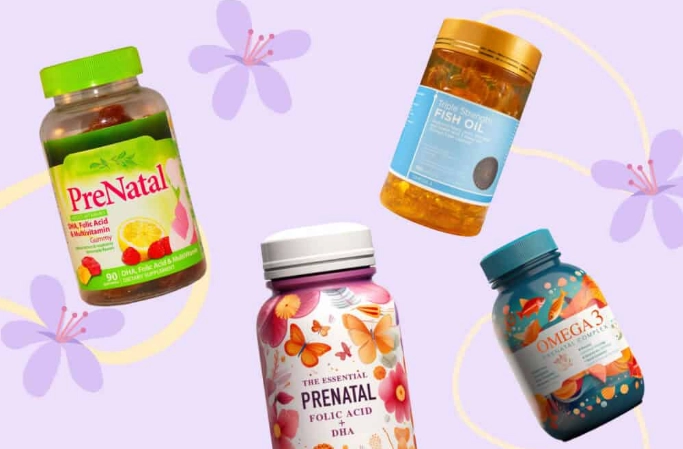
| Nutrient | Key Role in Pregnancy | Daily Recommendation (Pregnant) | Top Food Sources | Supplement Note |
|---|---|---|---|---|
| Folic Acid | Prevents neural tube defects, supports DNA synthesis | 600 mcg | Fortified cereals, leafy greens, lentils, citrus | Critical to start before conception. Consider active folate (L-methylfolate) if advised. |
| Iron | Makes hemoglobin to carry oxygen, prevents anemia | 27 mg | Red meat, poultry, beans, spinach, fortified cereals | Often causes constipation. Take with Vitamin C to enhance absorption. |
| Vitamin D | Builds baby's bones/teeth, supports immune function | 600 IU (but often more) | Fatty fish, fortified milk, egg yolks, sunlight | Deficiency is common. Many need supplemental doses beyond prenatal. |
| DHA | Critical for baby's brain and eye development | 200-300 mg | Fatty fish (salmon, sardines), algae | Often a separate softgel from the prenatal vitamin. |
The Crucial Supporting Cast: Other Vitamins and Minerals That Matter
While the four above are the headliners, a healthy pregnancy is a team effort. Here are other key players you'll find in a good prenatal vitamin:
Calcium
If you're not getting enough calcium from your diet (dairy, fortified plant milks, leafy greens, tofu), your body will pull it from your own bones to give to your baby. This can weaken your bone density over time. The recommended intake is 1,000 mg daily (1,300 mg for teens). Most prenatal vitamins only contain 200-300 mg because calcium is bulky and can interfere with iron absorption, so they expect you to get the rest from food. If you're lactose intolerant or vegan, pay extra attention to this.
Choline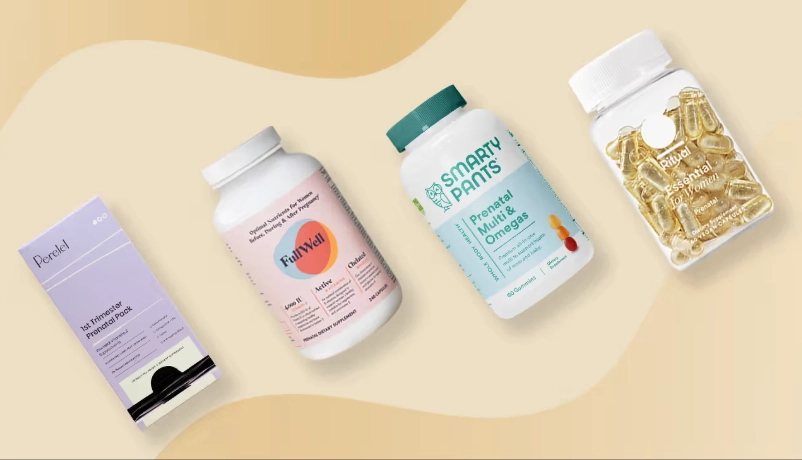
This is the unsung hero that's finally getting attention. Like folate, choline is vital for brain development and helps prevent neural tube defects. The recommended intake (450 mg) is hard to meet with diet alone (eggs are the best source, followed by meat and some veggies). Many standard prenatal vitamins still don't include enough, or any, choline. It's worth checking your label and asking your doctor if you should add a separate supplement.
Vitamin B12
Essential for making red blood cells and for neurological function. Deficiency can lead to anemia and neurological issues. It's mainly found in animal products, so it's critically important for vegans and vegetarians to supplement. The RDA is 2.6 mcg.
Vitamin C & Zinc
These two are important for general immunity and healing. Vitamin C also helps with iron absorption. Zinc supports cell growth and DNA synthesis. Deficiencies are rare with a varied diet, but they're included in prenatals as a safety net.
Common Questions About the Most Important Vitamins for Pregnancy
A: In an ideal world, maybe not. But pregnancy demands are so high and specific (like that 600 mcg of folic acid and 27 mg of iron) that it's incredibly difficult to hit all targets perfectly through food alone, every single day, especially with morning sickness or food aversions. A prenatal vitamin is a reliable insurance policy. Think of it as filling in the nutritional gaps your diet might have on a given day.
A: As we discussed, the ideal time is at least one to three months before you start trying to conceive. This ensures your body's stores of critical nutrients like folate are optimal from the very moment of conception. If your pregnancy was a surprise, start taking them as soon as you find out.
A: This is so common. First, try taking it at night before bed with a small snack. Sometimes the iron is the culprit—ask your doctor about trying a prenatal with less iron or a different form (like iron bisglycinate, which is gentler). Gummy prenatals often don't contain iron, so you might need a separate iron supplement. Don't suffer in silence; your provider has heard this a thousand times and can help you find a solution.
A: Absolutely not. They vary widely in the forms of nutrients they use (like the type of folate or iron), the amounts, and the inclusion of extras like DHA or choline. Look for one from a reputable brand that has third-party testing seals (like USP or NSF), which means it actually contains what the label says and is free from contaminants. Price isn't always an indicator of quality, but the cheapest option often cuts corners.
A: Yes, absolutely. This is especially true for fat-soluble vitamins (A, D, E, K) that are stored in your body. Excessive preformed Vitamin A (retinol) from supplements, for example, can cause birth defects. This is why you should never take two prenatal vitamins or add other supplements (like a separate multivitamin) without your doctor's okay. Stick to the recommended amounts on your prenatal label. More is not better.
Putting It All Together: A Practical Action Plan
Feeling overwhelmed is normal. Let's break it down into simple steps:
- Schedule a Pre-Conception Checkup: Talk to your doctor or a registered dietitian about your diet and any specific needs. They can check your iron and Vitamin D levels.
- Choose a Quality Prenatal: Pick one that contains at least 600 mcg folate, 27 mg iron, 150-200 mcg iodine, and 600 IU Vitamin D. Check for third-party verification.
- Consider Add-Ons: Based on your diet (vegan/vegetarian? no fish?) and your doctor's advice, consider adding a separate DHA supplement (aim for 300 mg) and possibly a choline supplement.
- Focus on Food First: Use the prenatal to fill gaps, not replace meals. Prioritize iron-rich foods, folate-rich greens, calcium sources, and omega-3s from safe fish or flaxseeds.
- Listen to Your Body (and Your Doctor): If you have side effects, don't just quit. Talk to your provider. They are your partner in this.
 The journey to finding the right most important vitamins for pregnancy mix is personal. What works for your friend might not work for you. It's a bit of trial and error, and that's okay. The goal isn't perfection; it's consistent, informed effort to nourish yourself and the life you're growing.
Remember, these nutrients are the building blocks. By understanding why each one matters, you can make confident choices and advocate for your health. You've got this.
Reader Comments