That feeling. You’re a few days late, your body feels different, and a quiet question starts to form: Could I be pregnant? While a missed period is the classic signal, your body often sends a whole memo of early pregnancy symptoms before you even take a test. Understanding these positive signs of pregnancy can ease the anxiety of the unknown. Let’s cut through the noise and look at the real, tangible symptoms that often point toward a positive result, how to interpret them, and your clear next steps.
What’s Inside This Guide
The #1 Sign: A Missed Period
For most women with regular cycles, a missed period is the single most reliable positive sign of pregnancy. It’s the event that triggers the thought. Here’s why: after a fertilized egg implants in the uterine lining, your body starts producing the hormone human chorionic gonadotropin (hCG). This hormone signals your ovaries to stop releasing eggs and tells your body to maintain the uterine lining—meaning no period.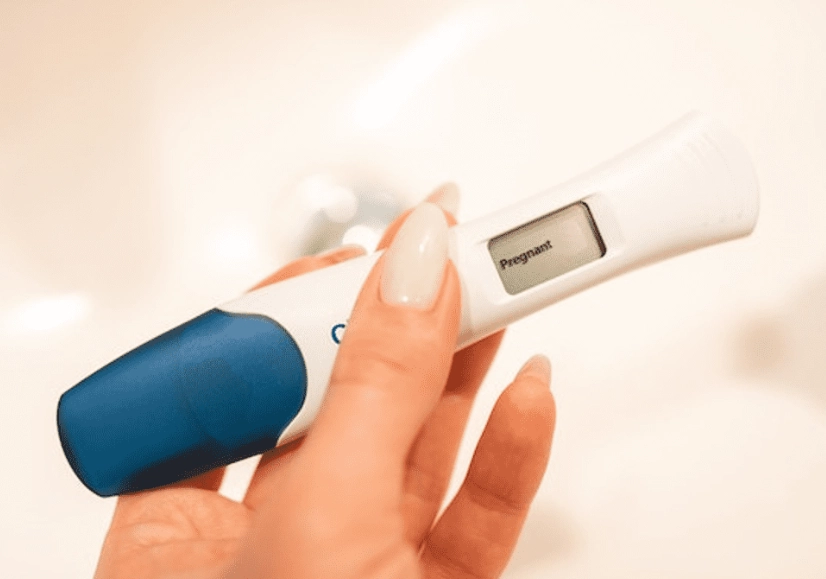
Think about Sarah. She tracks her cycle religiously and it’s always 28 days. On day 32, with no period in sight, she knew something was up. For her, that delay was a huge clue. For her friend Mia, whose cycles vary from 30 to 40 days, a “missed period” is harder to pinpoint.
Other Common Early Pregnancy Symptoms
Before you even miss a period, rising levels of hormones like progesterone and hCG can start causing noticeable changes. These symptoms can feel a lot like premenstrual syndrome (PMS), but often with a different intensity or pattern.
Breast Tenderness and Changes
This isn’t just mild PMS soreness. Early pregnancy breast tenderness can feel more pronounced. They may feel heavy, full, or unusually sensitive to touch. You might also notice the areolas (the area around the nipples) darkening or becoming bumpy (those are Montgomery’s tubercles, and they’re totally normal). This can start as early as one to two weeks after conception.
Fatigue That Hits Different
We’re not talking about needing an extra coffee. This is a deep, bone-tired fatigue that makes you want to nap at your desk by 2 PM. It’s caused by soaring progesterone levels and your body beginning the massive task of building a placenta. It often appears in the first week after a missed period.
Nausea (With or Without Vomiting)
“Morning sickness” is a misnomer—it can strike any time of day or night. For some, it’s just a persistent queasiness, especially around strong smells (like coffee or perfume). For others, it involves vomiting. It typically kicks in around week 6 of pregnancy but can start earlier for some.
Frequent Urination
You might find yourself making more trips to the bathroom, even at night. This happens because increased blood flow to the pelvic area and the early pressure of a growing uterus can irritate the bladder. It’s a subtle sign that often appears around the time you miss your period.
Food Aversions and Cravings
Suddenly, your favorite chicken dish smells revolting, or you have an intense, specific craving for something you rarely eat. These are driven by hormonal shifts and can be one of the more surprising early pregnancy symptoms.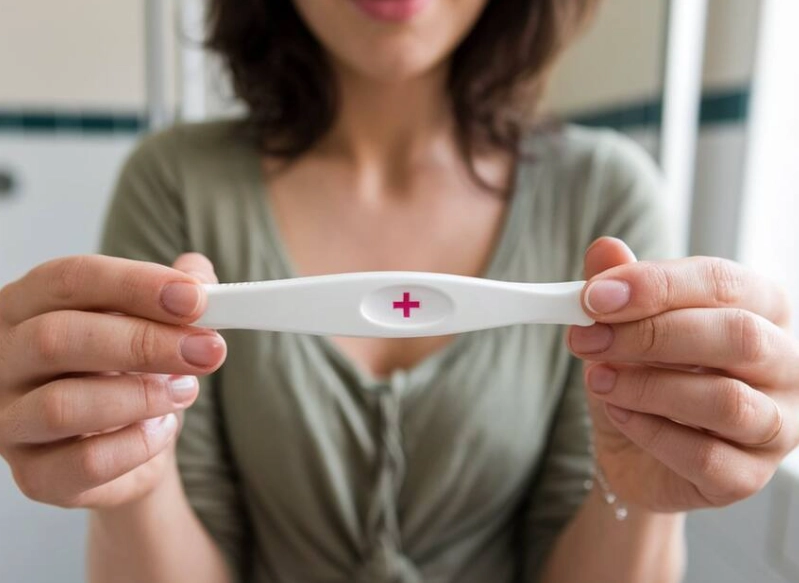
Mood Swings
Feeling unusually emotional, irritable, or tearful? Blame the hormonal rollercoaster. The rapid change in hormones can affect neurotransmitters in your brain, leading to mood shifts that might feel more intense than typical PMS.
Light Spotting or Cramping
This one causes a lot of confusion. About 10-14 days after conception, some women experience light spotting (implantation bleeding) and mild cramping as the fertilized egg attaches to the uterine lining. It’s usually much lighter and shorter than a regular period. We’ll dive deeper into this below.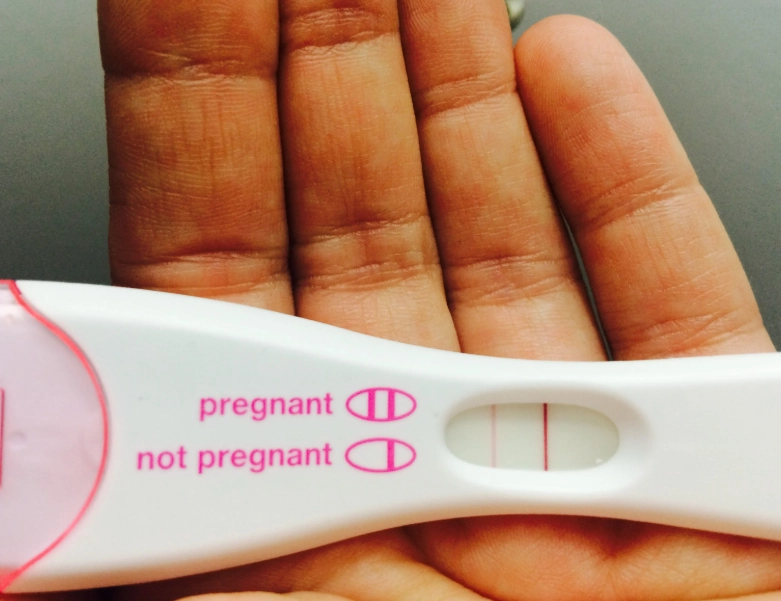
| Symptom | Typical Onset | How It Differs from PMS |
|---|---|---|
| Breast Tenderness | 1-2 weeks after conception | Often more severe, with noticeable areola changes. |
| Fatigue | First week after missed period | Overwhelming, not relieved by a good night's sleep. |
| Nausea | Around week 6 | Triggered by smells, can occur any time of day. |
| Frequent Urination | Around missed period | Happens even without increased fluid intake. |
When to Take a Pregnancy Test
Knowing the signs is one thing, but getting confirmation is another. Timing is everything with home pregnancy tests.
The best time to test is on the day of your expected period or after. Modern tests are highly sensitive and can often detect hCG a few days before your missed period, but accuracy increases significantly if you wait. Testing first thing in the morning with your first urine gives the most concentrated sample.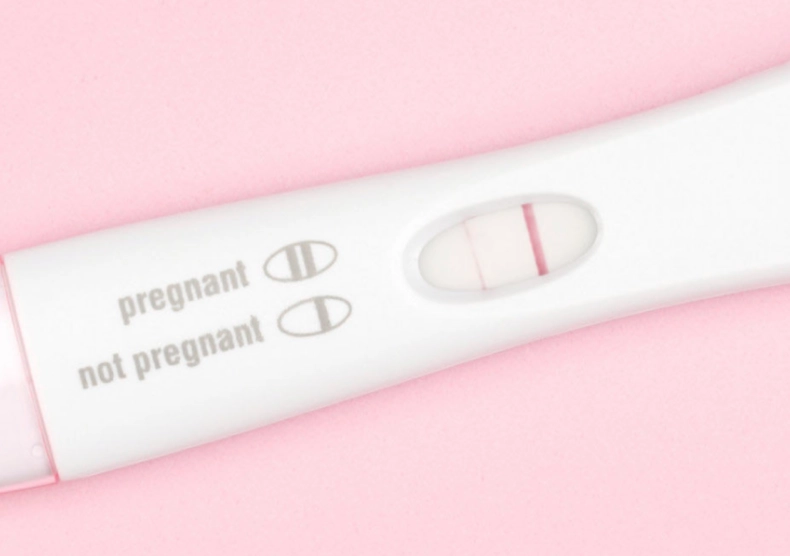
If you get a negative result but still haven’t gotten your period and feel symptoms, wait 3-5 days and test again. hCG levels double roughly every 48 hours in early pregnancy, so a later test may turn positive.
The Misunderstood Sign: Implantation Bleeding
This deserves its own section because it’s a major source of confusion. Implantation bleeding is light spotting that occurs when the embryo burrows into the uterine wall. Here’s how to distinguish it:
- Timing: It happens about 6-12 days after ovulation/conception, often right around when you expect your period.
- Appearance: The color is usually light pink or brown, not the bright red of a fresh period. It’s more like spotting than a flow.
- Duration: It lasts anywhere from a few hours to a couple of days, much shorter than a typical period.
- Cramping: It can be accompanied by mild, dull cramps, but not the stronger cramps of menstruation.
The biggest mistake people make is mistaking implantation bleeding for a very light period and then being confused when other symptoms persist or a test later comes up positive. If you have “period” that’s unusually light and short, consider it a potential positive sign.
Your Action Plan: What to Do Next
You’ve noticed some signs, maybe even taken a test. What now?
- Schedule a Doctor’s Appointment: If your home test is positive, call your OB-GYN or a family doctor. They’ll confirm the pregnancy with a blood test (which measures exact hCG levels) and schedule your first prenatal visit, usually around 8 weeks.
- Start Taking Prenatal Vitamins: If you aren’t already, begin immediately. Folic acid is crucial in the very early weeks for preventing neural tube defects. Most prenatals contain the recommended 400-800 mcg.
- Adjust Lifestyle Habits: This means avoiding alcohol, recreational drugs, and limiting caffeine. If you smoke, seek help to quit. Review any medications you’re on with your doctor.
- Listen to Your Body: Rest if you’re tired. Eat small, frequent meals if you’re nauseous. Give yourself grace—you’re growing a human.
Your Questions, Answered
Recognizing the positive signs of pregnancy is about connecting the dots your body is drawing. A missed period, coupled with a cluster of new physical sensations, often tells the story before any test can. Listen to your body, use a reliable test at the right time, and take those first steps toward prenatal care. This journey starts with paying attention to those subtle, and sometimes not-so-subtle, changes.
Reader Comments