In This Guide
- What's Actually Happening Inside That Test Stick?
- How to Use a Pregnancy Test Kit the Right Way (Spoiler: Most of Us Get It Wrong)
- Accuracy: Are These Kits Really Trustworthy?
- So You Have a Positive Pregnancy Test... What on Earth Do You Do Next?
- Comparing the Top Pregnancy Test Kit Brands
- Your Burning Questions, Answered
- The Emotional Side: Nobody Talks About This Part
So you're standing in the bathroom, staring at a little stick that just changed your life. Maybe your hands are shaking. Maybe you're in total disbelief. Or maybe you're just confused because the line looks kinda faint. Whatever you're feeling right now, take a breath. I've been there too, and let me tell you, the flood of questions that hits you is overwhelming.
This guide is for that exact moment. We're going to talk about everything related to that pregnancy positive kit in your hand. Not just the "how it works" science stuff (though we'll cover that), but the real, practical, "what do I do now" information you desperately need. We'll strip away the marketing fluff and get down to the facts, the common pitfalls, and the next steps that nobody really talks about in the instruction leaflet.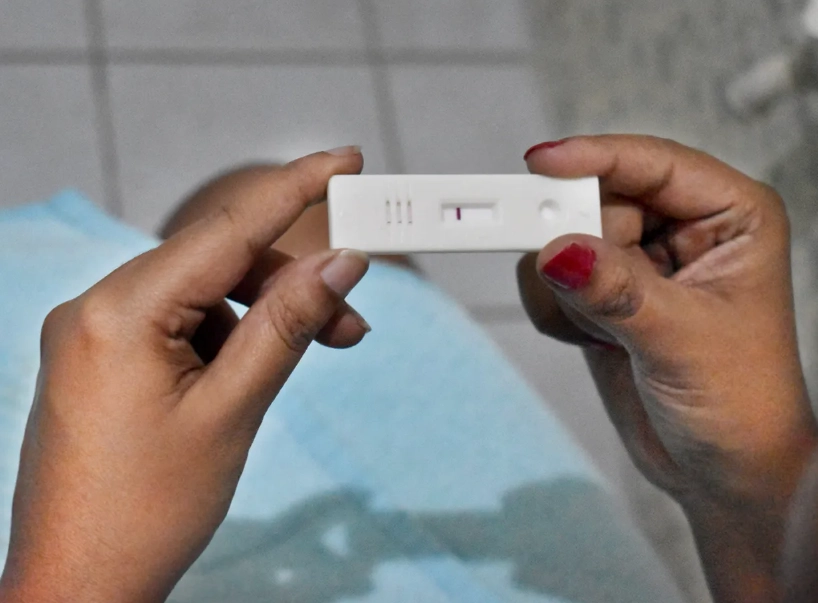
What's Actually Happening Inside That Test Stick?
Let's start with the basics, because knowing how it works makes you trust the result a bit more. Every single pregnancy test kit on the drugstore shelf, from the cheapest to the fancy digital ones, is looking for one thing: a hormone called human chorionic gonadotropin, or hCG for short.
Your body only makes this hormone when a fertilized egg attaches to the lining of your uterus (that's implantation). The level of hCG starts low and then basically doubles every couple of days in early pregnancy. It's the body's way of shouting, "Hey, we've got something going on here!" The test kit has special antibodies that are designed to latch onto this hCG hormone if it's present in your urine.
If hCG is there, a chemical reaction happens and creates that line, plus sign, or the word "pregnant" on the screen. If it's not there, the reaction doesn't happen, and you see a negative result. It's actually a pretty clever piece of technology when you think about it.
But here's the thing that trips people up. The test isn't a simple yes/no switch. It has a sensitivity level, measured in mIU/mL (milli-international units per milliliter). A test that says it's "ultra-sensitive" or "early detection" might be able to detect hCG at a level of 10 mIU/mL. A standard one might need 25 mIU/mL or more. This is why some tests can give you a positive result days before your missed period, and others can't.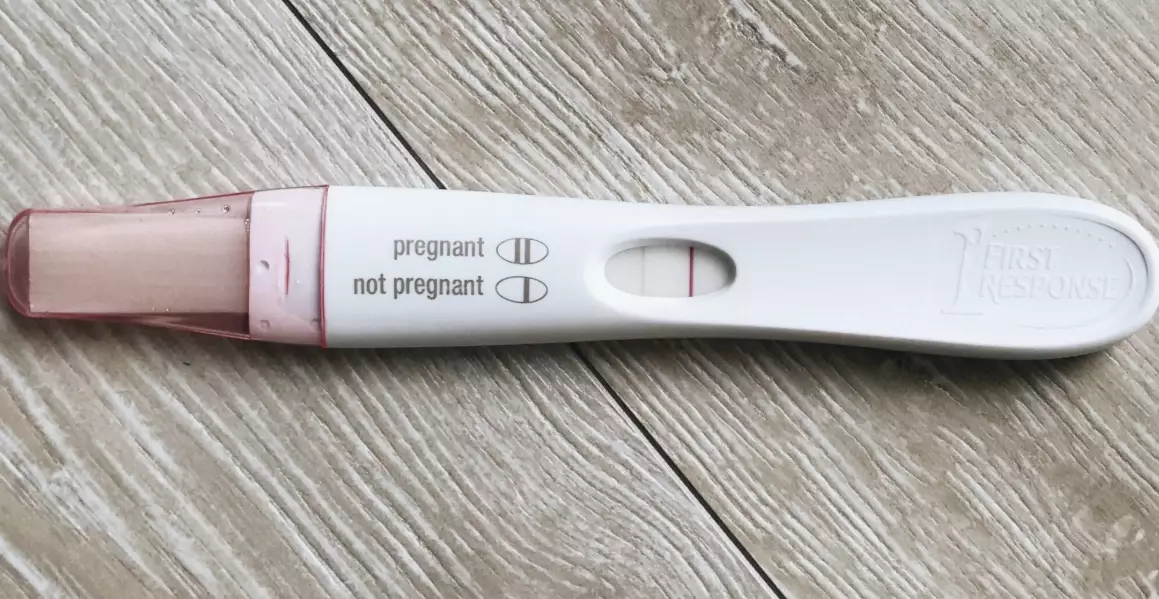
Key Hormone Timeline
hCG isn't instant. After implantation, it takes a few days for levels to rise high enough for even the best pregnancy positive kit to detect. This is why testing too early is the number one reason for false negatives. The general rule? Wait until at least the first day of your missed period for the most reliable result. I know the wait is agony, but it saves you a lot of confusion and wasted money on extra tests.
How to Use a Pregnancy Test Kit the Right Way (Spoiler: Most of Us Get It Wrong)
The instructions seem simple, right? Pee on the stick, wait, read. But there are so many little mistakes that can mess with the result. Let's walk through it step-by-step, focusing on the parts everyone skims over.
First, timing. Not just *when* in your cycle, but *when* in your day. Your first-morning urine is the most concentrated, meaning it has the highest level of hCG if you're pregnant. This is especially important if you're testing early. If you test in the afternoon after drinking a few glasses of water, you might have diluted your urine enough that the hCG level falls below the test's sensitivity, giving you a false negative. So, if you can, test first thing in the morning.
Now, the actual testing method. You've got mid-stream urine collection cups, you've got sticks you hold directly in the stream, you've got droppers. My personal take? The cup method is less messy and lets you be more precise. Just pee in a clean cup (a little bathroom Dixie cup is perfect) and then dip the test stick's absorbent tip into the urine for the exact number of seconds the instructions say. Not one second more, not one second less. Holding the stick in your urine stream can be tricky—if you don't aim well or don't soak it long enough, you might not get enough urine on it.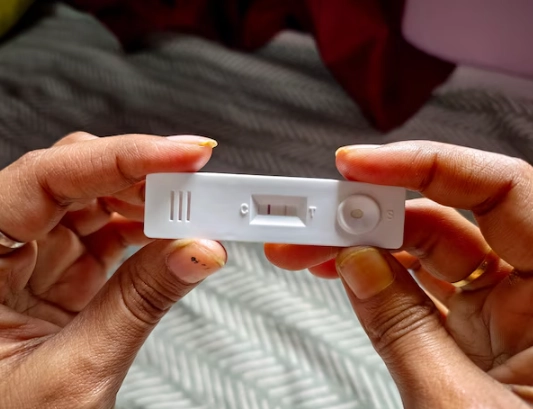
Big Mistake Alert: Reading the results outside the time window. Every kit has a specific window, usually between 3 and 10 minutes. A line that appears after 10 minutes is NOT a valid positive result. It's likely an evaporation line, which is just moisture trapped in the result window. It can look eerily like a faint positive. This causes so much unnecessary heartache and hope. Set a timer on your phone and stick to it. After the time is up, throw the test away.
What about digital tests? They're great for avoiding line confusion—it just says "Pregnant" or "Not Pregnant." But they're not magic. They use the same science, and they can also give false negatives if you test too early. Their main downside is that they're more expensive, and you can't see if the line is getting darker over successive days, which some people like to track.
Decoding the Lines: Faint Positives, Evap Lines, and Indents
This is where forums light up with anxiety. "Is this a positive?" posts with blurry photos are everywhere. Let's clear it up.
- A Faint Positive Line: If you see any sort of colored line, even a super faint one, within the correct time window, it's almost certainly a positive. A line is a line. It means hCG is present. It's faint because your hCG level is still low. This is a classic early positive pregnancy test result.
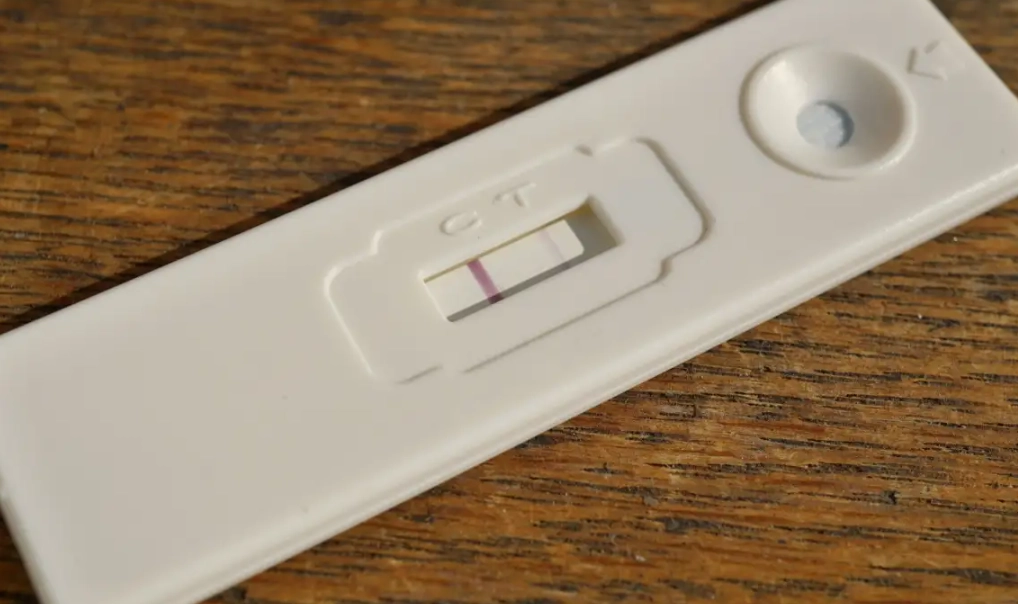
- An Evaporation Line: This is a colorless, grayish streak that appears *after* the test has dried, long past the reading time. It's a shadow, not a colored line. If you have to tilt the test in the light to see it, it's probably an evap line.
- An Indent Line: Also called a "ghost line." This is a faint, sometimes slightly grayish line you can see *before* you even pee on the test. It's an imprint in the plastic from the manufacturing process. It's not a positive. Knowing this can save you from a lot of disappointment.
Accuracy: Are These Kits Really Trustworthy?
Short answer: when used correctly, yes, they are incredibly accurate—often claiming 99% from the day of your expected period. But that statistic comes with a mountain of fine print.
That "99%" refers to laboratory studies under perfect conditions: using first-morning urine, at the right time in the cycle, following instructions to the letter. In the real world, with human error, diluted urine, and tests read too late, the accuracy can be lower. Still, a positive result from a major brand name test is very reliable. The body doesn't make significant hCG unless you're pregnant or have a very specific medical condition.
So what about false positives? They are rare, but they can happen. Here's why:
- Chemical Pregnancy: This is an early pregnancy loss that happens shortly after implantation. The embryo develops enough to produce hCG (giving a positive test) but then stops developing. Your period may arrive a few days later, often slightly heavier. It's heartbreakingly common—more common than most people realize—and is often mistaken for a "false positive." It was a real, brief pregnancy.
- Certain Medications: Fertility drugs that contain hCG (like Pregnyl) can obviously cause a positive. Some other medications, like antipsychotics or anti-anxiety drugs, are occasionally reported to interfere, but this is less definitive. Always check your medication leaflets.
- Medical Conditions: Very rare conditions like ovarian tumors or certain hormonal disorders can produce hCG.
- Expired or Faulty Test: Always check the expiration date on the box. A damaged or poorly stored test can give wonky results.
If you get a surprise positive and you're sure it can't be right, the best course of action is to see a doctor. They can do a quantitative blood test, which measures the exact amount of hCG in your bloodstream, not just its presence.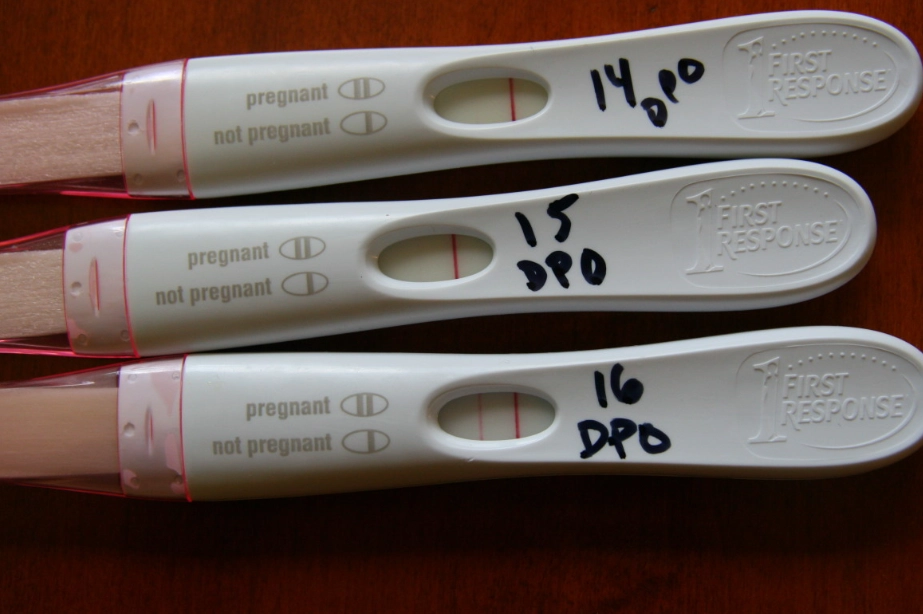
So You Have a Positive Pregnancy Test... What on Earth Do You Do Next?
The test gives you a result, but zero guidance on the emotional rollercoaster that follows. Here's a practical, step-by-step list for the hours and days after you see that positive.
Step 1: Breathe. Seriously. Sit down. Feel whatever you're feeling—joy, panic, shock, fear, all of the above. It's all normal. Don't feel pressured to feel a certain way.
Step 2: Confirm (Maybe). If you only took one test, especially if it was a faint line, take a second one in 48 hours with first-morning urine. Use a different brand if you want. Seeing the line get darker is reassuring confirmation that hCG is rising as it should.
Step 3: Start Taking a Prenatal Vitamin. If you weren't already, start today. Folic acid is critical in the very early weeks for neural tube development. You don't need a prescription; any over-the-counter prenatal is fine to start with. This is one concrete, helpful thing you can do immediately.
Step 4: Call Your Healthcare Provider. You don't need to rush to the ER. Call your OB-GYN, family doctor, or a local clinic. Tell them you have a positive home pregnancy test. They will tell you what to do next, which is usually to schedule a confirmation appointment for a few weeks' time. The first appointment often involves a urine test (yes, another one) or a blood test, and a lot of talking.
Step 5: Consider Your Habits. If you drink alcohol or smoke, now is the time to stop. Go easy on the caffeine (most experts say under 200mg per day is okay). Review any medications you're on with your doctor.
Step 6: Who to Tell? This is deeply personal. Many people choose to wait until after the first trimester, when the risk of miscarriage decreases significantly, before making a big announcement. But you might want to tell your partner immediately, and perhaps one or two very close, trusted people for support. There's no right answer, only what feels right for you.
I remember after my first positive, I just stared at it for twenty minutes, then went and bought two more tests of different brands just to be sure. The logical part of my brain was completely offline. Having a simple list to follow would have been a lifesaver.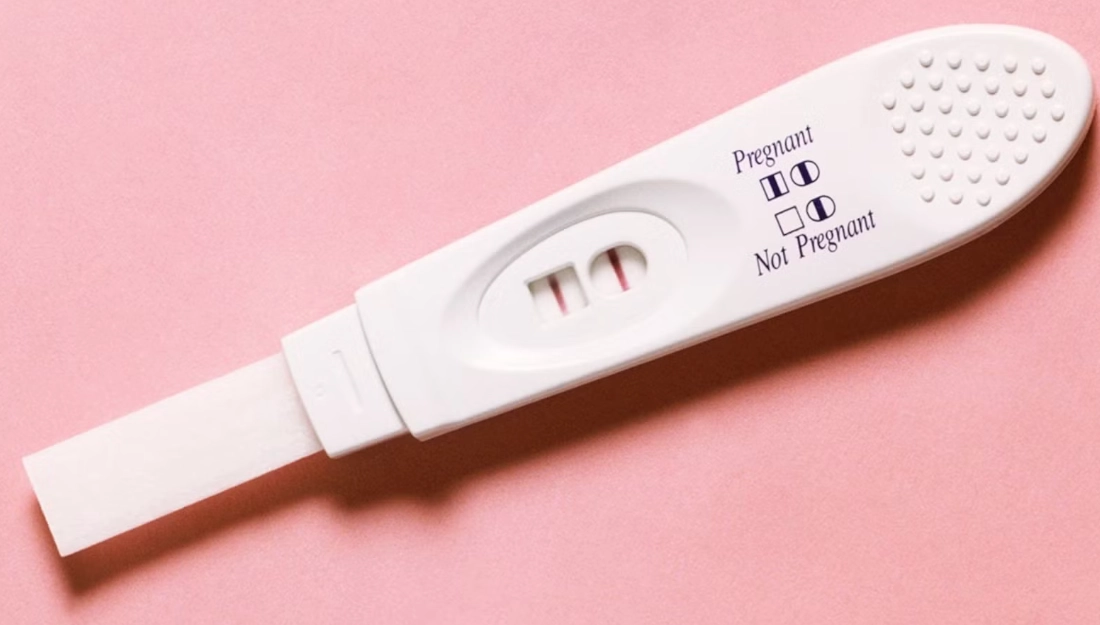
Comparing the Top Pregnancy Test Kit Brands
Walk down the pharmacy aisle and the choices are overwhelming. Digital vs. line, early detection vs. standard, name brand vs. store brand. Is the expensive one really better? Let's break down some popular options. I've used more than a few of these over the years, and some are definitely better designed than others.
| Brand/Type | Key Feature | Best For | My Personal Note |
|---|---|---|---|
| First Response Early Result | Can detect hCG at very low levels (6.5 mIU/mL). Shows a pink line. | People who want to test as early as possible (6 days before missed period). | The pink dye is less prone to evaporation lines than blue dye, in my experience. The cap is also wide and easy to hold. |
| Clearblue Digital | Displays words "Pregnant" or "Not Pregnant." Some versions estimate weeks since conception. | Anyone who hates interpreting faint lines. Great for clarity. | Eliminates all guesswork. The "weeks estimator" can be exciting but isn't always perfectly accurate for dating. |
| ClinicalGuard (or other bulk strips online) | Extremely cheap (cents per test). Simple dip strips. | Anyone tracking ovulation or who wants to test frequently without spending a fortune. | These are my secret weapon. The sensitivity is good. They're bare-bones—no plastic casing—but for confirming a line is getting darker over days, they're perfect and take the financial stress out of testing. |
| Store Brand (CVS, Walgreens, etc.) | Significantly cheaper than name brands. Often made by the same big companies. | Budget-conscious shoppers who still want a midstream stick. | Perfectly reliable for a standard test from your missed period onward. Don't feel you need to splurge on the fancy one for a basic confirmatory test. |
| Clearblue Easy (Pink/Blue Dye) | Classic plus/minus sign result. | People who find a plus sign easier to read than a line. | The blue dye versions can sometimes have a faint "plus" that looks more like a blurry smudge (a "dye run") which can be confusing. I slightly prefer the pink dye tests for clarity. |
The bottom line? For an ultra-early test, a sensitive name-brand like First Response is worth it. For a confirmation test after your period is late, a store brand is totally fine. And if you're the anxious type who will test multiple times, buying cheap strips online is a game-changer.
Your Burning Questions, Answered
As we discussed, true false positives are rare. The most common "wrong" positive is actually a very early pregnancy that doesn't progress (a chemical pregnancy). If you have a positive, trust it until a medical professional tells you otherwise.
Most tests are over 99% accurate when used on the first day of your missed period. If your cycles are irregular, wait at least 2-3 weeks after you had sex to test for a reliable result.
This could be implantation bleeding (light spotting around the time your period is due), which is normal. It could also be a sign of an early loss or an ectopic pregnancy (a pregnancy outside the uterus, like in a fallopian tube). Any bleeding with a positive pregnancy test warrants a call to your doctor. Ectopic pregnancy is a medical emergency. Tell your doctor about the bleeding immediately.
Not usually in a panic. Unless you have severe pain or heavy bleeding, you can call to schedule your first prenatal appointment. They often won't see you until you're around 8 weeks pregnant. Use this time to research providers, choose a prenatal vitamin, and adjust your lifestyle.
Stick to reputable medical sources. The American College of Obstetricians and Gynecologists (ACOG) website is an excellent resource for evidence-based information. For developmental milestones, the CDC's pregnancy pages are solid. The Mayo Clinic's week-by-week guide is also very trustworthy and calmly written. Avoid random forums for medical advice—they are great for support but can be a minefield of misinformation.
The Emotional Side: Nobody Talks About This Part
That little plastic stick holds so much weight. For some, it's a dream come true. For others, it's a crisis. For many, it's a confusing mix. If you weren't trying, shock and fear are normal reactions. If you've been trying for a long time, you might feel disbelief and terror that something will go wrong. There's no "right" way to feel.
Give yourself permission to process. Talk to someone you trust. If the pregnancy is unexpected and you're unsure about your options, seek non-judgmental counseling. Organizations like Planned Parenthood can provide information on all options—parenting, adoption, and abortion—in a confidential setting.
A positive result from a pregnancy positive kit is just the very beginning of a story. It's a piece of data. What you do with that information, how you feel about it, and the path you choose is deeply personal. Arm yourself with facts, seek good medical care, and don't forget to be kind to yourself through the process. However your journey unfolds, you've got this.
Reader Comments