You might think pregnancy starts with a missed period or morning sickness, but that's not always the case. In the first trimester, some symptoms are so subtle they fly under the radar. I've talked to dozens of women who missed these clues, and as someone who's been through it twice, I know how easy it is to brush them off as stress or fatigue. Let's dive into the hidden symptoms that could signal early pregnancy, even before you take a test.
What You'll Find Inside
What Are Hidden Pregnancy Symptoms?
Hidden symptoms are those early signs of pregnancy that don't scream "baby on board." They're often mild, intermittent, or mistaken for everyday issues like PMS or a busy lifestyle. For example, slight fatigue might be chalked up to a long workweek, but in pregnancy, it can hit differently—more like a deep, unshakable tiredness that naps don't fix. The American College of Obstetricians and Gynecologists notes that hormonal changes start immediately after conception, triggering subtle shifts in your body. Many women overlook these because they're not as dramatic as nausea or a missed period.
Here's the thing: if you're trying to conceive or just curious, paying attention to these hidden cues can give you an early heads-up. But don't stress—some women experience none at all, and that's normal too.
Top Hidden Symptoms You Should Know
Let's break down the most common hidden symptoms. I've put together a table to make it easy to scan, but remember, everyone's experience varies.
| Symptom | Why It's Hidden | What It Feels Like |
|---|---|---|
| Fatigue | Often blamed on stress or lack of sleep | A profound exhaustion that doesn't improve with rest, like you've run a marathon without moving |
| Mood Swings | Confused with PMS or emotional stress | Sudden irritability or tearfulness over minor things, out of character for you |
| Unusual Cravings or Aversions | Dismissed as random food quirks | Craving foods you never liked, or feeling repulsed by smells you usually enjoy, like coffee or perfume |
| Frequent Urination | Attributed to drinking more water or a UTI | Needing to pee more often, even at night, without other infection signs |
| Breast Tenderness | Similar to PMS, so it's overlooked | Breasts feel fuller, heavier, or more sensitive than usual, sometimes with visible vein changes |
| Light Spotting | Mistaken for an early period or irregular bleeding | Light pink or brown discharge around implantation time, often brief and painless |
Now, let's go deeper. Fatigue isn't just feeling tired; it's a hormonal surge, primarily progesterone, slowing you down. In my first pregnancy, I thought I was coming down with the flu because I couldn't stay awake past 8 PM. Mood swings? They can be intense. One minute you're fine, the next you're crying over a commercial. It's not just emotional—it's your brain reacting to shifting hormones.
Unusual cravings are a classic, but they're not always for pickles and ice cream. A friend of mine suddenly hated the smell of garlic, which she normally loved. That was her first clue. Frequent urination happens because your kidneys process more fluid, and your uterus starts pressing on your bladder. Light spotting, called implantation bleeding, occurs when the embryo attaches to the uterine wall, around 6-12 days after conception. It's easy to miss if you're not tracking closely.
Expert tip: Many women mistake hidden symptoms for PMS. The key difference? PMS symptoms usually resolve once your period starts, while pregnancy symptoms persist or intensify. If you're experiencing these and your period is late, it's worth checking.
How to Tell If It's Pregnancy or Something Else
This is where things get tricky. Hidden symptoms overlap with other conditions, so how do you know? Let's say you're feeling extra tired. Could be pregnancy, but it could also be anemia, thyroid issues, or just a hectic schedule. The Centers for Disease Control and Prevention (CDC) recommends looking for clusters of symptoms rather than isolated ones.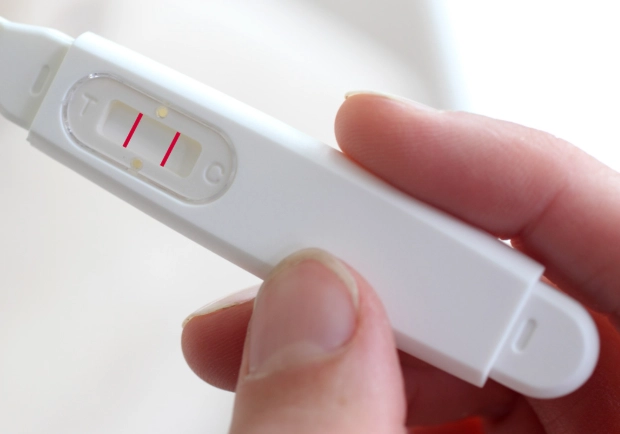
Here's a practical approach: track your symptoms for a week. Note their timing, intensity, and any patterns. For instance, pregnancy-related fatigue often comes with other signs like breast changes or nausea. If you're having mood swings but no other symptoms, it might be stress. I've seen women panic over a single symptom, only to find out it was something else entirely.
Another subtle sign: basal body temperature. If you're charting it, a sustained rise after ovulation can indicate pregnancy. But this isn't foolproof—it requires consistent tracking. Also, pay attention to cervical mucus; in early pregnancy, it might become thicker and creamier. These are niche details most blogs skip, but they can be telling.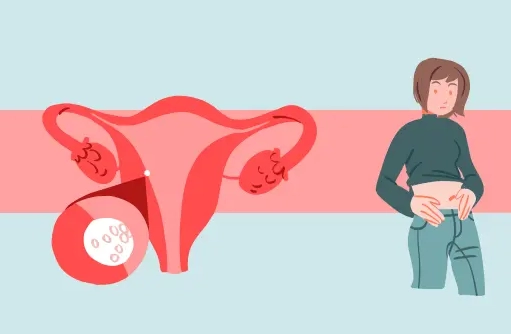
Common Mistakes to Avoid
People often jump to conclusions. A big mistake is assuming every symptom means pregnancy. For example, bloating is common in early pregnancy due to progesterone, but it's also a sign of digestive issues. Or, they ignore symptoms because they're mild. In my second pregnancy, I had slight nausea that I brushed off as food poisoning—turned out I was six weeks along.
Don't rely solely on home tests too early. They might not detect low levels of hCG, the pregnancy hormone. Wait until after your missed period for accuracy. And please, avoid Dr. Google—it can lead to unnecessary anxiety. Stick to reputable sources like the Mayo Clinic for reliable info.
Real-Life Stories: When Symptoms Were Missed
Let me share a story. Sarah, a 30-year-old teacher, thought her constant fatigue was from work stress. She'd nap daily but still felt drained. It wasn't until she craved citrus fruits—something she normally disliked—that she took a test. Positive. She'd missed the fatigue clue for weeks.
Another case: Mark noticed his wife, Lisa, was unusually emotional. She'd snap at small things, which wasn't like her. They chalked it up to job pressure, but after a missed period, they discovered she was pregnant. Mood swings were their hidden symptom.
These stories highlight how easy it is to overlook signs. Pregnancy symptoms don't always come in a neat package. Sometimes, it's just a feeling—something off that you can't pinpoint. Trust your gut if you suspect something.
What to Do If You Suspect Pregnancy
So, you're noticing some hidden symptoms. What next? First, don't panic. Take a home pregnancy test after your missed period for best results. If it's negative but symptoms persist, wait a few days and retest, or see a doctor. Blood tests at a clinic are more sensitive and can detect pregnancy earlier.
Start prenatal care early. Schedule an appointment with an obstetrician. They can confirm pregnancy and guide you on next steps. In the meantime, adopt healthy habits: eat balanced meals, avoid alcohol and smoking, and consider taking folic acid supplements, as recommended by health authorities.
Keep a symptom journal. Jot down what you're experiencing, when it happens, and how it feels. This can help your doctor assess your situation. I did this during my pregnancies, and it made discussions with my OB much smoother.
If you're not trying to conceive, use reliable contraception. But if you are, understanding these hidden symptoms can ease the waiting game.
Reader Comments