Your Ultrasound Journey: Key Highlights
So, you're about to have your 12 weeks pregnant ultrasound. If you're anything like I was, you're probably a wild mix of excited, nervous, and just plain curious. What will you see? Is everything okay? What are they even looking for? This scan, often called the dating scan or the nuchal translucency (NT) scan, is a huge milestone. It's usually the first time you get a good, long look at your little one, and it provides a ton of crucial information. Let's walk through everything you can expect, so you can walk into that appointment feeling informed and ready.
Why the 12-Week Scan is Such a Big Deal
You might have had an earlier scan around 6-8 weeks, maybe to confirm the pregnancy or check the heartbeat. That one's important, sure, but it's often just a little blob and a flicker. The 12 weeks pregnant ultrasound is different. It's the first major, detailed check-up for your baby. Think of it as the end of the first trimester graduation exam.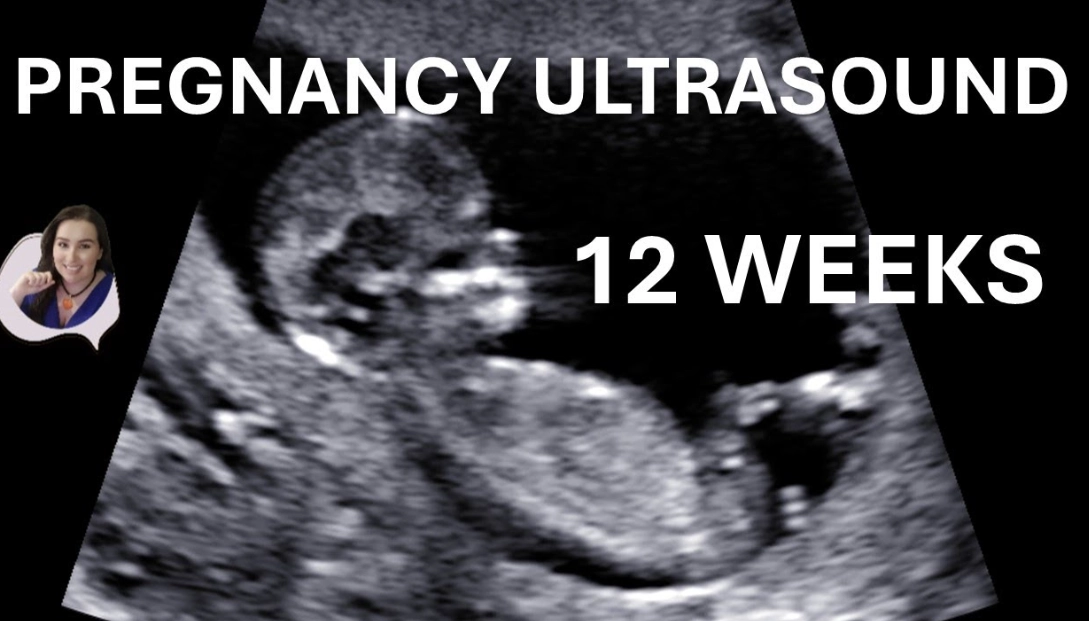
Here’s what makes this particular ultrasound so significant:
- Accurate Dating: This is the best time to pin down your due date. Early measurements of the baby's length (crown-rump length) are super accurate for dating the pregnancy. Getting this right matters for tracking growth later on.
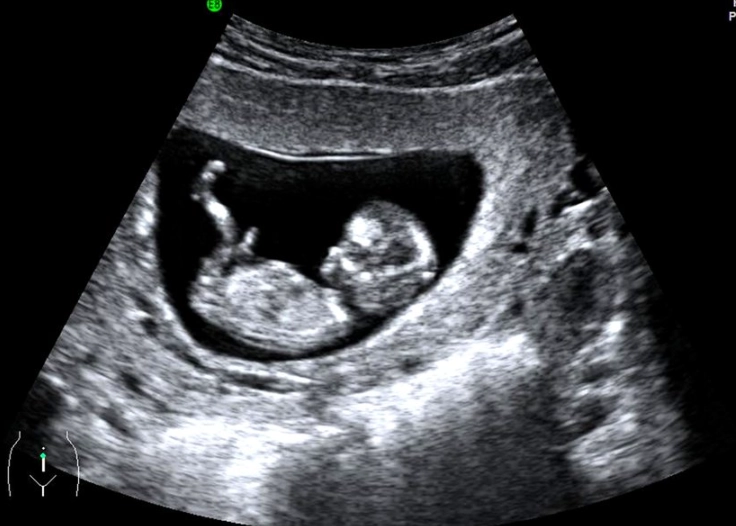
- First Major Anatomy Check: Your baby, though tiny, is now fully formed. The sonographer can check for the presence of major organs, limbs, and structures. They'll look for the stomach, bladder, brain, spine, and count fingers and toes (as best they can!).
- Screening for Chromosomal Conditions: This is the primary purpose of the nuchal translucency measurement. They measure a small fluid-filled space at the back of the baby's neck. A thicker-than-average measurement can be a soft marker for conditions like Down syndrome (Trisomy 21), Edwards' syndrome (Trisomy 18), and Patau syndrome (Trisomy 13). I need to be super clear here: This is a screening test, not a diagnosis. It assesses risk, not certainty.
- Checking Multiples: It definitively confirms if you're having one baby, twins, or more! It also checks if twins share a placenta, which is vital information for their care.
- Assessing Your Health: They'll check your uterus and ovaries for any issues like large fibroids or cysts that might affect the pregnancy.
Getting Ready for Your Scan: No-Stress Tips
Preparation is minimal, but a few things can make the experience smoother.
To Drink or Not to Drink?
This one causes a lot of confusion. For a 12-week ultrasound, a moderately full bladder can help by pushing the uterus up for a better view with an abdominal scan. My clinic's advice was to drink about two glasses of water an hour before and not empty my bladder. But here's the thing – policies vary wildly. Some places now say it's not necessary because the baby is big enough to see clearly. The absolute best move? Call your clinic and ask for their specific instructions. Trust me, you don't want to be in agony in the waiting room.
What to Wear
Comfort is key. Wear a two-piece outfit – like a top and pants or a skirt. You'll need to expose your lower abdomen, so a dress isn't ideal unless you don't mind hiking it up. Avoid complicated belts or tight jeans that are hard to get on and off quickly.
Who to Bring
Most places encourage you to bring one support person. Having your partner, a family member, or a close friend there to share the moment (and hold your stuff) is wonderful. Check if your hospital has policies about children attending; sometimes they can be distracting during this detailed medical exam.
What Actually Happens During the 12-Week Ultrasound
Okay, you're in the room. Here's the play-by-play.
The sonographer will ask you to lie on the bed and expose your tummy. They'll squirt some warm gel on your skin – honestly, the warmth is the nicest surprise, no one warns you about that! They then use a transducer (the probe) and move it around your lower abdomen. They'll press down, sometimes firmly, to get the right angles. It shouldn't be painful, but it can be uncomfortable, especially if your bladder is very full.
Sometimes, if your uterus is tilted backwards (a retroverted uterus) or if you have a higher BMI, getting a clear abdominal view at 12 weeks can be tricky. In that case, they might suggest a transvaginal scan. This uses a slender, clean probe inserted into the vagina. It sounds worse than it is – it gets much closer to the uterus and often provides crystal-clear images without the need for a full bladder. They'll talk you through it and always use a fresh cover on the probe.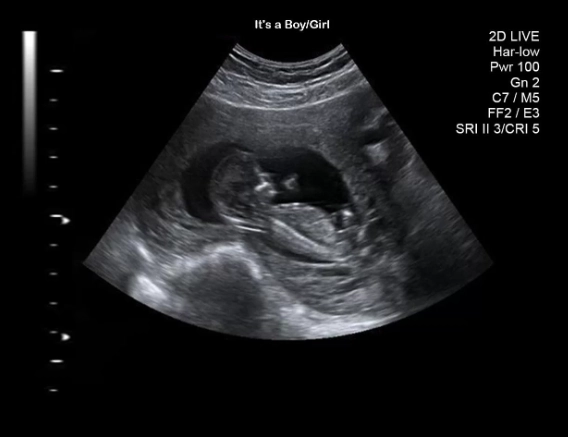
They'll point things out as they go: "There's the head," "See the heartbeat flickering," "Those are the little arm buds moving." You'll likely see your baby bouncing, stretching, or even sucking its thumb. It's utterly mesmerizing.
Abdominal vs. Transvaginal: A Quick Comparison
| Aspect | Abdominal Ultrasound | Transvaginal Ultrasound |
|---|---|---|
| How it's done | Probe moved over gel on lower abdomen. | Slender, covered probe inserted into the vagina. |
| Bladder Needed? | Often, yes (check with clinic). | Usually no. |
| Image Clarity | Good for an overall view at 12 weeks. | Often provides higher detail for early anatomy. |
| Comfort Level | Pressure on full bladder can be uncomfortable. | Minor pressure/discomfort, but no bladder pressure. |
| Common Use at 12 Weeks | Standard first approach for most women. | Used if abdominal view is unclear or for specific checks. |
Understanding Your 12-Week Ultrasound Results
This is the part everyone worries about. The sonographer takes a bunch of measurements, and then... what do they mean?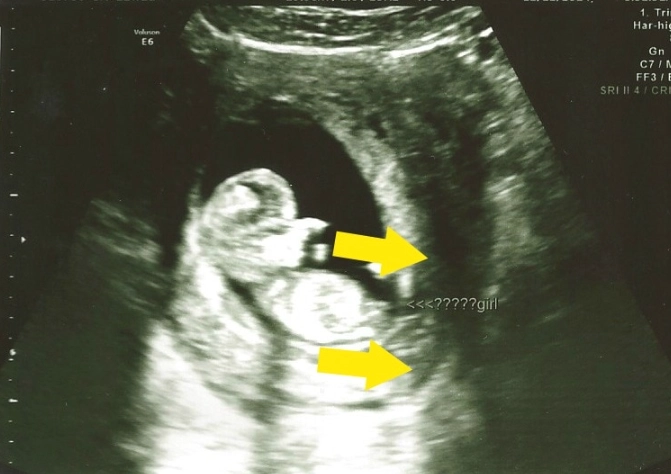
The Nuchal Translucency (NT) Measurement
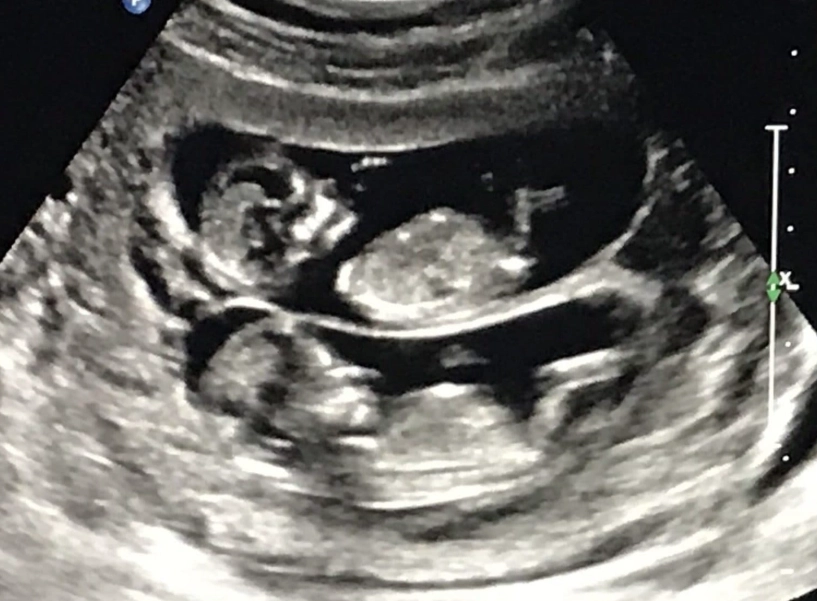
This is the headline act. The sonographer will zoom in for a perfect side-profile view of the baby and measure the translucent (fluid-filled) space at the back of the neck in millimeters. The measurement increases naturally with the baby's size, so it's assessed against the crown-rump length.
What's a "normal" measurement? Generally, anything under 3.0mm is considered within the normal range for a baby measuring around 12 weeks. But it's not a simple pass/fail. The result is plugged into a complex algorithm along with your age, blood test results (from the combined first trimester screening), and sometimes other markers seen on the scan (like the presence of the nasal bone). This generates a probability or risk score, like "1 in 2,500 risk for Down syndrome."
Key Takeaway: A higher-than-average NT measurement does NOT mean your baby definitely has a problem. It simply means the risk is elevated, and your doctor will discuss further diagnostic options, like CVS or amniocentesis. Conversely, a low-risk score doesn't guarantee a problem-free pregnancy, but it is very reassuring. The American College of Obstetricians and Gynecologists (ACOG) provides excellent resources on understanding these screening tests.
Other Important Checkpoints
While the NT gets the attention, the sonographer is looking at so much more during your 12 weeks pregnant ultrasound:
- Nasal Bone: Absence of the nasal bone can be another soft marker for Down syndrome.
- Basic Anatomy: They verify the brain looks normal (checking for early signs of issues like anencephaly), the stomach is present and in the abdomen, the bladder is visible, the spine is intact, and the arms and legs are developing.
- Heartbeat and Activity: A strong, regular fetal heart rate (usually between 150-170 bpm) and lots of movement are great signs of well-being.
What Can They Find? Potential Outcomes
Most scans reveal a healthy, developing baby. But it's honest to talk about the possibilities.
- Everything Looks Great: The vast majority of the time. You get your pictures, a confirmed due date, and a huge sigh of relief.
- Increased NT / High-Risk Screening Result: This leads to a consultation with a maternal-fetal medicine (MFM) specialist to discuss what the finding means and the option of diagnostic tests (CVS or amnio).
- Major Fetal Abnormality: In a small number of cases, a severe structural problem incompatible with life may be detected. This is devastating news, and you would be supported by a full team of counselors and specialists.
- Missed Miscarriage: Sadly, sometimes the scan shows that the baby stopped developing a few weeks earlier, even if you had no symptoms. The care then shifts to supporting you through that loss.
Your Next Steps After the 12-Week Scan
The scan is over, you have some blurry black-and-white photos, and your mind is racing. What now?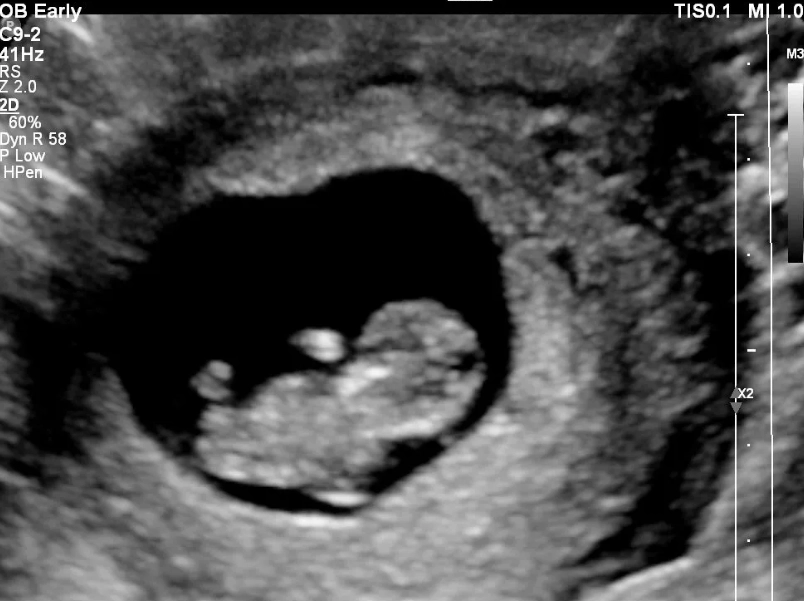
| If Your Results Are... | Typical Next Steps | What to Focus On |
|---|---|---|
| Low-Risk / Reassuring | Celebrate! Continue with routine prenatal care. Your next major scan is the anatomy scan (anomaly scan) around 18-22 weeks. You might discuss options like the NHS or other second-trimester screening if you didn't do the first-trimester combined test. | Enjoy the reassurance. Start thinking about sharing your news if you haven't already. Focus on healthy eating and gentle exercise as you enter the second trimester. |
| High-Risk / Requires Further Investigation | You'll be referred urgently to a specialist. You'll discuss Chorionic Villus Sampling (CVS, done 11-13 weeks) or Amniocentesis (done after 15 weeks). These are diagnostic tests that give a definitive yes/no answer about chromosomal conditions. | Get support. Talk to your partner, a trusted friend, or a counselor. Write down all your questions for the specialist. Remember, a high-risk screen is not a diagnosis. |
| Inconclusive or Technically Difficult | You may be asked to come back in a week or two for a follow-up scan. Sometimes baby's position or other factors make it impossible to get all the measurements perfectly. | Try to be patient (easier said than done). The extra wait is frustrating but common. |
Reader Comments