Quick Navigation
- Why Do Symptoms Show Up So Early? The Science Behind the Signs
- The Most Common Early Signs of Pregnancy Before a Missed Period
- Early Pregnancy Signs vs. PMS: The Ultimate Comparison Table
- When Can You Actually Take a Pregnancy Test?
- What to Do If You Suspect You're Pregnant
- Answers to Your Burning Questions
- A Final Word on the Emotional Rollercoaster
Let's be real. The two-week wait between ovulation and when your period is due can feel like an eternity. You're hyper-aware of every little twinge, every shift in mood, every weird craving. Is it just your imagination, or could it be one of those elusive early signs of pregnancy before a missed period?
I remember frantically searching for this exact information myself, years ago. The internet was full of lists, but they all felt so... clinical. Or worse, they were just vague enough to make you think a headache meant you were definitely pregnant. Not helpful.
So, let's cut through the noise. This isn't just another generic list. We're going to talk about what these early pregnancy symptoms before a missed period actually feel like, why they happen (the science isn't as boring as you think), and most importantly, how to tell them apart from your regular pre-menstrual syndrome (PMS). Because let's face it, that's the million-dollar question.
Why Do Symptoms Show Up So Early? The Science Behind the Signs
Okay, a tiny bit of biology, but I promise to keep it painless. The moment a sperm fertilizes an egg, a crazy cascade of events is set in motion. The fertilized egg starts dividing like mad as it travels down the fallopian tube. Once it implants into the lining of your uterus (usually about 6-12 days after ovulation), it starts producing a hormone called human chorionic gonadotropin – you know it as hCG.
This hCG hormone is the star of the show. It's what home pregnancy tests detect. But its job is to tell your corpus luteum (the little structure left behind after you ovulate) to keep producing progesterone. And progesterone? That's the hormone that maintains the uterine lining and tells your body, "Hey, we're pregnant here, don't start a period!"
The rapid rise of hCG and sustained high levels of progesterone are the primary culprits behind most of the signs of pregnancy before period is due. They affect everything from your breasts to your brain to your digestive system.
It's wild to think about. Before you've even missed a period, before a test can reliably show a positive, your hormonal landscape has already completely shifted. Your body is already working on building a placenta. No wonder it sends up some flare signals.
The Most Common Early Signs of Pregnancy Before a Missed Period
Here’s the breakdown. Not everyone gets all of these, and the intensity varies massively from person to person. Some people feel nothing at all until weeks later, and that's perfectly normal too.
Breast Changes: Tenderness, Tingling, and Fullness
This is often one of the very first notices. It's not your standard PMS tenderness. We're talking next-level sensitivity. The kind where putting on a bra feels like a minor act of courage, or even the sensation of water in the shower is too much. You might also notice your breasts feel heavier, fuller, and the veins might look more prominent. The areolas (the darker area around the nipple) can start to darken and enlarge surprisingly early. This is all due to the increased blood flow and hormonal prep work for potential breastfeeding.
With PMS, breast tenderness usually improves once your period starts. With early pregnancy, it tends to stick around and often intensifies.
Fatigue That Knocks You Out
We're not talking about "I need an extra coffee" tired. This is profound, bone-deep exhaustion. You might find yourself struggling to stay awake at your desk by 2 PM, or needing a nap just to make it to dinner. I once fell asleep on the floor next to my dog at 7 PM during that early wait. It was ridiculous.
This exhaustion is your body's way of demanding resources. Building a human is energetically expensive work, and your metabolism is ramping up. Plus, high progesterone has a sedative effect. It's nature's way of making you slow down.
Nausea and Food Aversions (Yes, Before a Missed Period)
"Morning sickness" is a terrible name for it. It can strike any time of day or night, and for some, it starts very early. You might not be vomiting, but a constant, low-grade queasiness can set in. Or suddenly, the smell of coffee, which you usually love, makes your stomach turn. That chicken your partner is cooking? Absolutely repulsive.
This is thought to be linked to the rapid rise in hCG. It's like your body's hyper-vigilant toxin-detection system kicks in to protect the embryo. The problem is, it sometimes tags perfectly safe foods as the enemy.
Increased Urination
You might find yourself making more trips to the bathroom, even at night. This isn't because the embryo is big enough to press on your bladder (that comes much later). It's because increased blood flow to your pelvic area and the early effects of hormones make your kidneys more efficient at processing fluid.
Mood Swings and Emotional Sensitivity
The hormonal rollercoaster can make you feel like you're losing your mind. You might cry at a sentimental commercial, snap at your partner over nothing, or feel inexplicably anxious. It feels very similar to PMS moodiness, but it can be more intense and unpredictable. Your brain chemistry is literally being altered by the flood of pregnancy hormones.
Other Potential Early Clues
- Heightened Sense of Smell: Becoming a bloodhound overnight. Perfumes, garbage, cooking smells – everything is amplified and often unpleasant.
- Metallic Taste: A weird, coppery, or metallic taste in your mouth that won't go away, even after brushing.
- Bloating and Constipation: Progesterone slows down your entire digestive tract, leading to gas, bloating, and constipation. Again, very PMS-like, but it can be more persistent.
- Light Spotting or Cramping: As mentioned, implantation can cause this. The cramps are usually milder than period cramps.
- Dizziness or Lightheadedness: Caused by blood vessels dilating and blood pressure dropping slightly.
- Elevated Basal Body Temperature (BBT): If you're charting your BBT, a sustained temperature rise for more than 18 days past ovulation is a strong indicator.
Early Pregnancy Signs vs. PMS: The Ultimate Comparison Table
This is where everyone gets stuck. Is it PMS or is it pregnancy? Let's lay it out side-by-side. This table isn't a definitive diagnosis tool, but it can help you see the subtle differences.
| Symptom | Early Pregnancy | PMS (Premenstrual Syndrome) |
|---|---|---|
| Breast Tenderness | Often severe, tingling, feeling of fullness. Areolas may darken. Tends to persist or worsen. | Tenderness and swelling that usually improves once period starts. |
| Fatigue | Profound, debilitating exhaustion. Can start very early (1-2 weeks after conception). | Low energy and lethargy, but usually not as extreme. |
| Nausea | Common, often with food aversions. Can start before a missed period. | Not typical. Bloating and digestive upset are more common. |
| Cramping | Mild, intermittent cramps from implantation or uterine stretching. No bleeding, or light spotting. | Typically stronger, crampy pain that precedes and accompanies menstrual flow. |
| Bleeding | Light spotting (implantation bleeding) that's pink or brown, lasts 1-2 days. | Heavier, red bleeding that marks the start of your period. |
| Food Cravings/Aversions | Strong, specific aversions are common. Cravings can be for unusual things. | More general cravings for sugar, salt, or carbs. |
| Mood Swings | Can be intense, involving weepiness, anxiety, or irritability. | Often involves irritability, tension, and feeling overwhelmed. |
| Increased Urination | Noticeably more frequent, starts early due to hormonal changes. | Not a typical symptom of PMS. |
See the overlap? It's huge. That's why symptom-spotting can drive you crazy. Personally, I found the fatigue and the specific food aversions (I suddenly hated garlic) to be my biggest clues that this time was different from my usual PMS.
When Can You Actually Take a Pregnancy Test?
This is the practical part. You're feeling these possible pregnancy symptoms before missed period, and you're dying to know. The rule of thumb is to wait until the first day of your missed period for the most accurate result. Why?
Most home pregnancy tests are designed to detect hCG levels of 25 mIU/mL or higher. For most women, that level isn't reached until right around the time a period is due. Testing too early can give you a false negative, which is just heartbreaking and confusing.
Some "early result" tests claim to detect pregnancy 5-6 days before your missed period. They're more sensitive (detecting lower hCG levels). But here's the catch: even if you conceived, implantation timing varies. If you implant later, your hCG won't be high enough to detect that early. You could get a negative on day 10 past ovulation and a positive on day 12.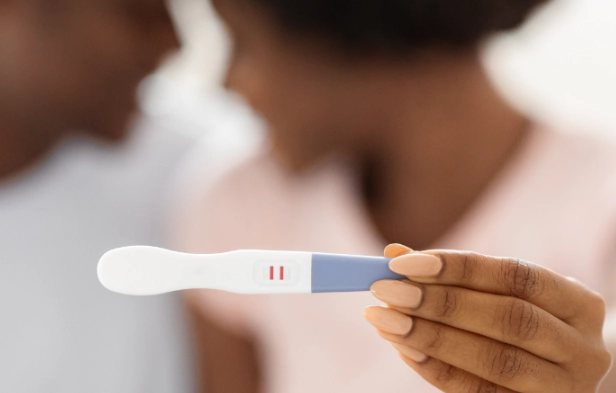
What to Do If You Suspect You're Pregnant
- Take a Home Pregnancy Test: Start here. Follow the instructions carefully.
- If Positive: Schedule an appointment with your doctor or a midwife. They will confirm the pregnancy with a blood test (which measures the exact amount of hCG) and likely schedule your first prenatal visit. You can start taking a prenatal vitamin with folic acid immediately if you aren't already. Folic acid is crucial in the very early weeks for preventing neural tube defects. The American College of Obstetricians and Gynecologists (ACOG) is a great resource for understanding next steps.
- If Negative but Period is Late: Wait a few days and test again. Your cycle could just be off due to stress, illness, travel, or hormonal fluctuations. If your period is more than a week late and tests are still negative, see your healthcare provider to rule out other causes.
Answers to Your Burning Questions
Let's tackle some of the specific, often-Googled questions that pop up around this topic.
How many early signs of pregnancy before missed period are normal to have?
There's no "normal" number. Some women experience several symptoms strongly. Others have one or two subtle hints. A significant number have no noticeable early signs of pregnancy before a missed period at all. The absence of symptoms does not mean you're not pregnant.
Can you have pregnancy symptoms and not be pregnant?
Absolutely. This is the cruelest part. Many symptoms are caused by progesterone, which is high in the second half of your cycle whether you're pregnant or not. This is why PMS and early pregnancy feel so similar. Illness, stress, hormonal birth control changes, or even just hoping really hard to be pregnant (the mind is powerful!) can mimic these signs.
Are cramping and spotting always a bad sign?
Not necessarily. As we discussed, light implantation cramping and spotting can be normal. However, any severe pain, heavy bleeding, or bleeding accompanied by sharp cramps should be evaluated by a doctor immediately to rule out issues like ectopic pregnancy. When in doubt, always call your provider. The Mayo Clinic's page on implantation bleeding offers clear, medically-reviewed guidance on this.
What if my symptoms disappear suddenly?
This is a common fear. Symptoms can come and go in early pregnancy. Hormone levels don't rise in a perfectly straight line, and your body adjusts. A sudden loss of all symptoms, especially if accompanied by bleeding, warrants a call to your doctor for reassurance. But a fluctuation is usually nothing to panic about.
A Final Word on the Emotional Rollercoaster
Looking for early signs of pregnancy before missed period is an emotionally charged experience, whether you're desperately hoping for a positive or anxiously fearing one. The uncertainty is draining.
Be kind to yourself during this time. Distract yourself if you can—watch a gripping series, dive into a project, meet a friend. Obsessing over every bodily sensation will only make the wait feel longer and more stressful.
Remember, while these early signals are fascinating clues, they are not the final answer. Your body is doing incredible work on a microscopic level, whether you can feel it or not. Trust that it will reveal its news in time, through a clear test and the guidance of a healthcare professional.
Wishing you clarity and peace of mind, whatever the outcome may be.
Reader Comments