Let's be real. If you're trying to conceive or even just suspicious after a missed pill, the two-week wait can feel like an eternity. You're hyper-aware of every little twinge, every wave of fatigue, and you're probably googling things like "how soon until you have pregnancy symptoms after conception" more times than you'd care to admit. I get it. I've been there, staring at my calendar, analyzing my body like it's a science project. The short, and frankly annoying, answer is: it depends. But that's not helpful, is it? So let's break down the real, nitty-gritty details of when symptoms can start, what they feel like, and why your experience might be totally different from your best friend's.
In This Article
The whole process starts with conception, which is when the sperm fertilizes the egg. This usually happens in the fallopian tube. But here's the kicker – you're not technically pregnant until that fertilized egg, now called a blastocyst, travels down and successfully implants itself into the lining of your uterus. That implantation is the real starting pistol for your body to start producing the pregnancy hormone hCG (human chorionic gonadotropin). And it's the rising levels of hCG, along with progesterone and estrogen, that trigger most of those early signs. So, when we talk about symptoms after conception, we're really talking about symptoms after implantation.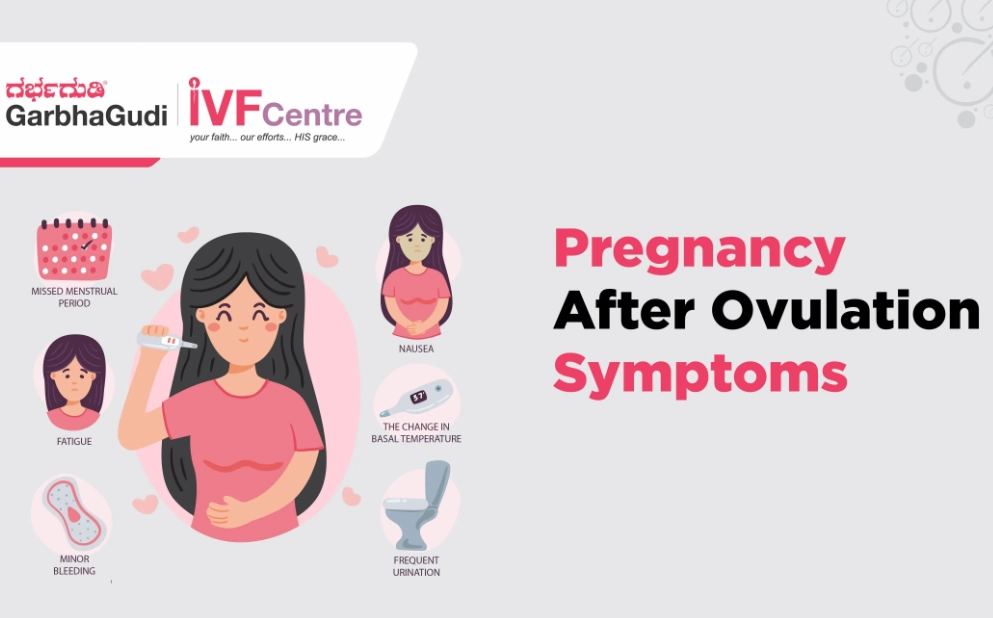
Key Takeaway: Your body doesn't get the "pregnant" signal until implantation happens, which is about 6 to 10 days after conception. This is your biological ground zero for symptom onset.
The Early Pregnancy Symptoms Timeline: What Shows Up When?
Imagine a very slow, very subtle alarm system going off in your body. Some sensors trigger immediately, others take a few days. Here’s a realistic timeline based on medical data and, honestly, countless stories from women in online forums and my own circle.
| Days Past Conception (Approx.) | Stage / Event | Possible Symptoms (The "Maybe" List) | How Common Is It? |
|---|---|---|---|
| 0-5 Days | Conception & Travel to Uterus | None. Zero. Zilch. The egg is fertilized and dividing, but your body has no idea yet. | Not applicable. Truly asymptomatic. |
| 6-10 Days | Implantation | Implantation Bleeding/Spotting: Light pink or brown discharge, much lighter than a period, lasting 1-3 days. Mild cramping (less than period cramps). This is the first physical sign that might occur. | About 25-30% of women experience noticeable implantation bleeding. Many feel nothing at all. |
| 10-14 Days | hCG Production Begins & Rises | Early, Vague Signs: Fatigue that hits you like a truck. Tender, swollen breasts. More frequent urination. Heightened sense of smell. Mild nausea or food aversions. These are the classic early symptoms people often ask about when wondering how soon until you have pregnancy symptoms after conception. | Fatigue and breast tenderness are very common in this window. Nausea is less common this early but possible. |
| 14+ Days (After Missed Period) | hCG Levels Climbing Steadily | More Pronounced Symptoms: Morning sickness (nausea, with or without vomiting) often kicks in. Bloating, mood swings, and continued fatigue. Aversion to certain smells (coffee, perfume) becomes strong. | Morning sickness affects 70-80% of pregnant women, typically starting around week 6 of pregnancy (which is about 2-4 weeks after conception). |
See that column labeled "Possible Symptoms"? I called it the "Maybe" list for a reason. You could experience all of them, one of them, or none at all in the very early days. It's a wild card. I remember with my first, the only thing I felt before my missed period was a bizarre metallic taste in my mouth. No spotting, no sore breasts. Nothing from the standard list. It was so off-script I almost didn't test.
That's the frustrating part.
Your body might follow the textbook, or it might write its own entirely different book. The timeline for feeling pregnancy symptoms after conception isn't a schedule; it's a spectrum with a lot of biological and personal variables.
Why Does the Onset of Symptoms Vary So Much?
If everyone had the same biology, this would be a much shorter article. But we don't. Here’s what plays a role in when you start feeling things: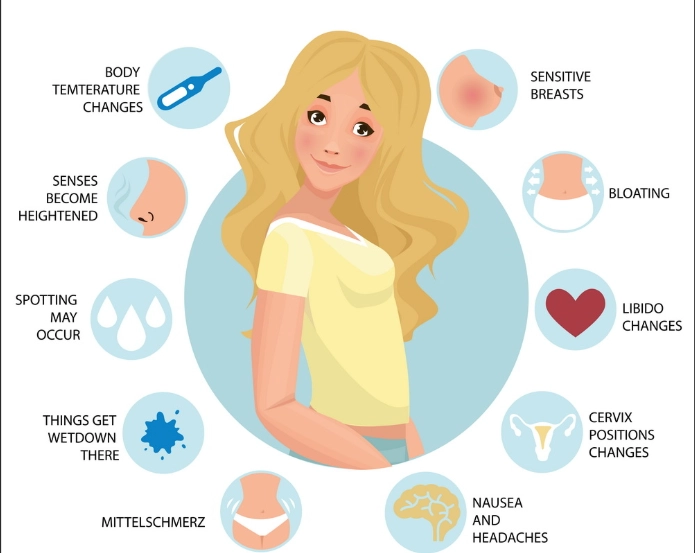
Your Hormone Levels and Sensitivity
Some women are just more sensitive to hormonal shifts. Your body's reaction to rising hCG and progesterone isn't standardized. One woman might have hCG levels of 100 and feel terrible, another might be at 500 and feel fine. It's not just the amount, it's how your individual system responds to it. Progesterone, in particular, is a big player in early symptoms like fatigue and breast tenderness. The National Institutes of Health has some detailed research on the role of progesterone in early pregnancy if you're into the real science.
The Speed of Implantation and hCG Doubling
Implantation can happen as early as day 6 or as late as day 12 after conception. That's almost a week of variability right there. Then, once implanted, the rate at which your hCG levels double can differ. Faster doubling times might mean symptoms ramp up more quickly. There's no way to feel this happening internally, but it's a key behind-the-scenes factor.
Whether It's Your First Pregnancy or Not
This one is anecdotal but heard often. Many women report noticing symptoms earlier and more intensely in subsequent pregnancies. You might simply be more tuned in to the subtle changes, having been through it before. Your body might also react more swiftly, like it's remembering the drill.
Psychological Factors (The Mind-Body Connection is Real)
If you're actively trying to conceive, you're on high alert. It's easy to misinterpret normal luteal phase symptoms (which are caused by progesterone and happen every cycle, pregnant or not) as early pregnancy signs. Stress and intense hope can amplify physical sensations. It's not "all in your head," but your mental state absolutely influences how you perceive bodily signals.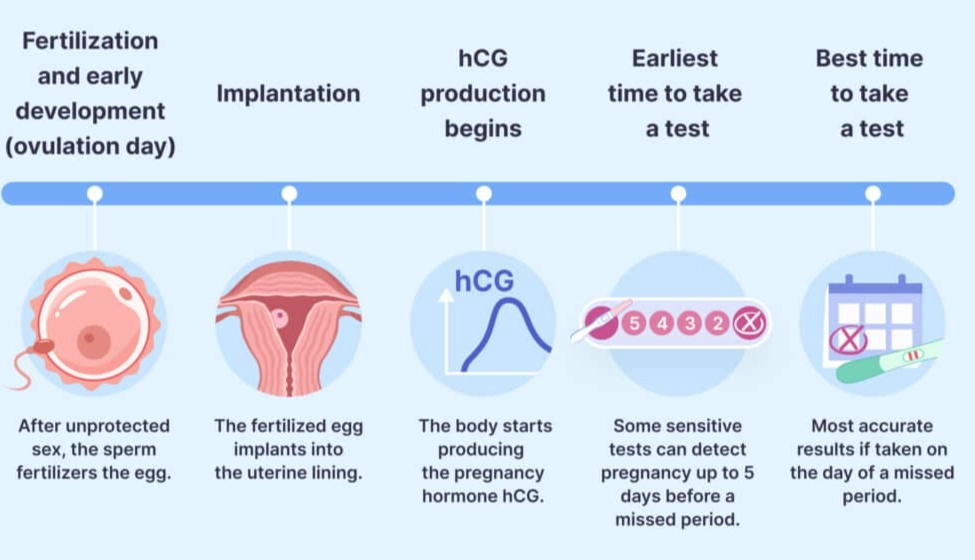
A Word of Caution: Many early pregnancy symptoms are identical to premenstrual syndrome (PMS) symptoms. Sore breasts, fatigue, mood swings, even mild cramping – your body produces progesterone in the second half of your cycle regardless of pregnancy. This overlap is why symptoms alone are never a reliable diagnosis. The only definitive early signs are a positive pregnancy test and a confirmed ultrasound later on.
When Should You Actually Take a Pregnancy Test?
This is the million-dollar question, right? You're Googling "how soon until you have pregnancy symptoms after conception" because you want to know when you can get an answer.
The rule of thumb is to wait until the first day of your missed period. By then, for most women with regular cycles, enough hCG has built up to be detected by a home urine test. Testing too early is the fastest route to disappointment and confusion, because you might get a false negative even if you are pregnant (the infamous "false negative").
But let's be practical. I know the urge to test early is overwhelming. If you must test early, look for a test marketed as "early detection" – some claim to detect hCG levels as low as 10 mIU/mL, which is possible 4-5 days before your missed period. But even then, the accuracy is much lower than if you just wait. The American College of Obstetricians and Gynecologists (ACOG) generally advises testing after a missed period for the most reliable result.
My personal, slightly cynical advice?
If you test early and it's negative, don't trust it. You haven't gotten your period yet? There's still a chance. The anxiety of testing and re-testing is its own special kind of torture. I found it better to wait, if I could muster the willpower. It saved me money on tests and a rollercoaster of emotions.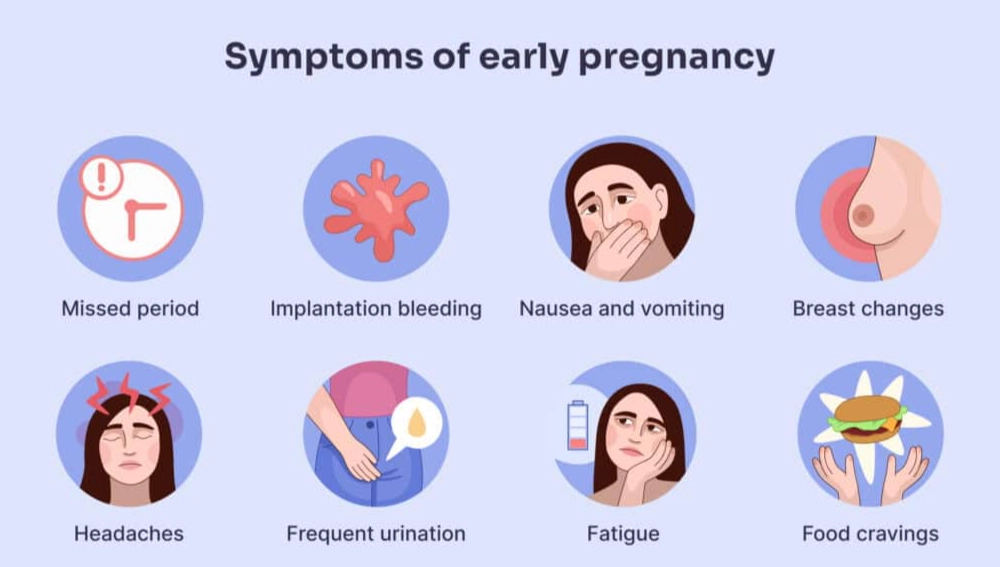
Common Questions Women Ask (And Straightforward Answers)
When to Talk to a Doctor or Healthcare Provider
While tracking symptoms is natural, it's important to know when to seek professional guidance.
- You get a positive home pregnancy test. This is the obvious one. Call to schedule your first prenatal appointment. They'll confirm the pregnancy and start your care.
- You experience severe pain, heavy bleeding (soaking a pad in an hour), or dizziness. These are not normal early pregnancy symptoms and could indicate an ectopic pregnancy or other complication. Seek medical attention immediately.
- Your "morning sickness" is so severe you cannot keep any food or liquids down. This could be hyperemesis gravidarum and requires medical management to prevent dehydration.
- You have a history of miscarriage or other fertility concerns. Early monitoring and conversation with your provider can provide reassurance and a plan.
Trusting your gut is important, but so is trusting medical expertise. Resources like the Mayo Clinic's page on pregnancy symptoms provide a solid, medically-reviewed benchmark for what's typical.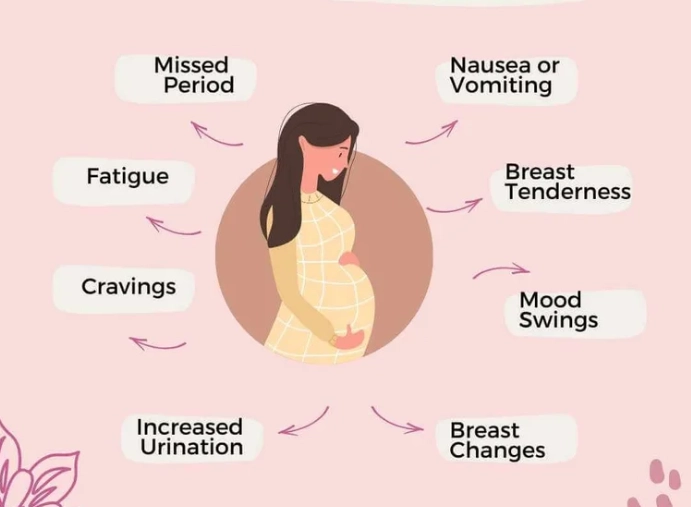
Looking back, I spent so much mental energy dissecting every cramp and twinge. I wish I had known then that the timeline is so flexible. The question of "how soon until you have pregnancy symptoms after conception" doesn't have a single, satisfying answer. For some, it's a clear signal around the time of a missed period. For others, it's a slow, creeping realization over weeks. And for a lucky few, it's a complete non-event until a growing belly gives it away. The journey is yours alone, and comparing it to anyone else's is a recipe for unnecessary stress. Listen to your body, but also give it time to tell its story. And when in doubt, that little plastic stick (used at the right time) holds more truth than a dozen Google searches ever will.
The bottom line? The window for feeling pregnancy symptoms after conception opens around the time of implantation (week 1-2 post-conception), but the most noticeable signs typically roll in around the time your period is due or shortly after. Your experience is your own. The variation is normal. The waiting is hard. But understanding the biology behind it all can at least make the wait a little more informed, and a little less frantic.
Reader Comments