Quick Guide
- The Big One: Your Missing Period
- Other Early Signs Your Body Might Be Giving You
- How Reliable Are These Signs? A Quick Comparison
- The Moment of Truth: Taking a Pregnancy Test
- Your Questions, Answered (The FAQ Section)
- What To Do After a Positive Test
- What If It's Not What You Hoped For?
- Final Thoughts: Trust, But Verify
So, you're sitting there wondering. Maybe your period is a few days late, or you just feel… different. Your mind starts racing with questions. Is it just stress, or could it be something more? That nagging thought pops up: how to tell if you're pregnant?
Let's be real, that waiting period is nerve-wracking. I remember a friend texting me at 2 AM, a blurry photo of a pregnancy test she'd stared at for an hour, asking "Do you see a line?!" The uncertainty can drive you a bit crazy.
This guide is here to cut through the noise. We'll walk through everything, from the super-early whispers your body might be sending to the definitive "yes" or "no." No scare tactics, just clear, practical information to help you figure things out.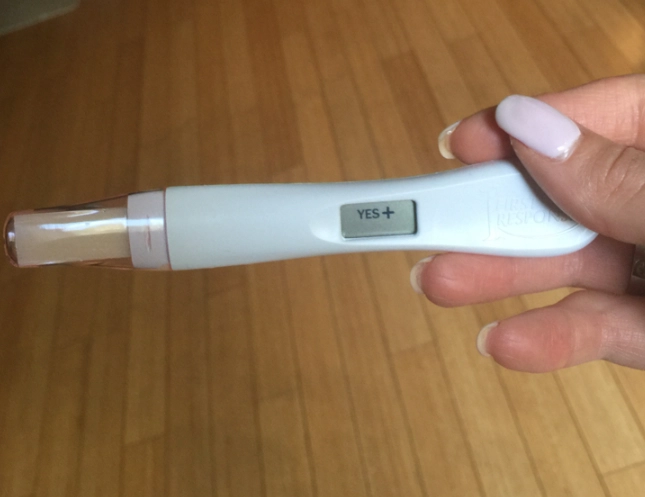
The bottom line upfront: The only way to know for sure is a pregnancy test, followed by a healthcare provider's confirmation. But your body often gives clues first. Learning how to tell if you're pregnant starts with tuning into those signals.
The Big One: Your Missing Period
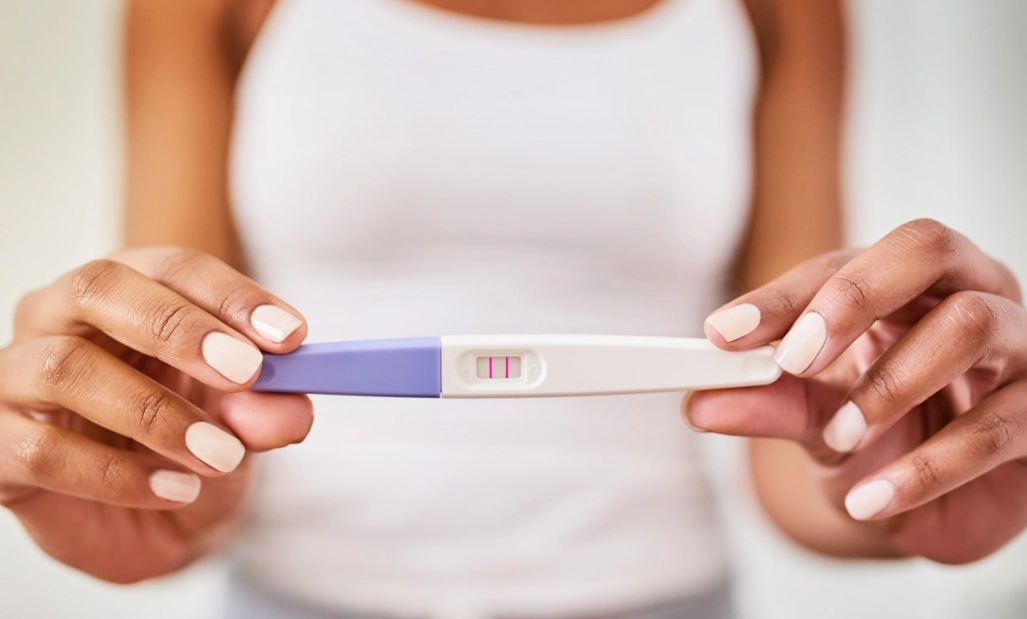
For most people with regular cycles, a missed period is the headline act. It's usually the first and most obvious sign that prompts the whole how to tell if you're pregnant investigation.
Your period is MIA because if an egg has been fertilized and implanted, your body starts producing the hormone human chorionic gonadotropin (hCG). This hormone tells your ovaries to keep producing progesterone, which maintains the uterine lining instead of shedding it. No shedding, no period.
But here's the kicker – it's not a perfect signal. Life loves to complicate things.
- Stress: Big work project, family drama, life changes? Stress can easily delay ovulation and your period.
- Illness or Weight Fluctuations: Being sick or significant changes in weight can throw your cycle off.
- Hormonal Changes: Conditions like PCOS (Polycystic Ovary Syndrome) or thyroid issues can cause irregular periods.
- Coming Off Birth Control: It can take months for your cycle to regulate after stopping hormonal contraception.
So, while a missed period is a major clue, don't panic if your cycle is sometimes irregular. It's a starting point, not a diagnosis.
Other Early Signs Your Body Might Be Giving You
Before a test can pick anything up, your body is already undergoing a massive hormonal shift. Some women feel these changes intensely; others feel nothing at all. There's no "right" way to feel.
Tender, Swollen Breasts
This can start as early as one to two weeks after conception. It's not your typical pre-period tenderness – it often feels more pronounced. Your breasts might feel heavy, sore, or tingly to the touch. The area around your nipples (the areola) might also darken.
Fatigue That Hits Like a Truck
We're not talking about "I need an extra coffee" tired. This is deep, bone-weary exhaustion. It's caused by soaring levels of progesterone. You might find yourself struggling to stay awake at your desk or needing a nap just to make it through the day.
Nausea (With or Without Vomiting)
Ah, "morning sickness," which is a terrible name because it can strike any time of day or night. It often starts around week 6 but can begin earlier for some. For me, it was a constant, low-grade queasiness, like mild car sickness, that was worse when I was hungry. The smell of coffee, which I usually loved, would suddenly make me gag.
Increased Urination
Running to the bathroom more often? Shortly after implantation, increased blood flow to your pelvic area and the pressure of a growing uterus (even tiny) on your bladder can make you feel the need to go more frequently.
Food Aversions and Cravings
Suddenly, your favorite chicken dish smells revolting. Or you have an intense, can't-think-about-anything-else desire for pickles. Hormones are the likely culprit again, affecting your sense of smell and taste.
The Less Glamorous Signs
- Spotting and Cramping: About 10-14 days after conception, some women experience light spotting (implantation bleeding) and mild cramping as the fertilized egg attaches to the uterine lining. It's often mistaken for a very light period.
- Mood Swings: The hormonal rollercoaster can make you feel unusually emotional, irritable, or weepy.
- Bloating and Constipation: Progesterone slows down your digestive system, which can lead to bloating and constipation early on.
- Elevated Basal Body Temperature (BBT): If you've been tracking your BBT, a temperature that stays elevated for more than two weeks after ovulation can be a sign.
Remember: Every single one of these symptoms can also be caused by other things – an oncoming period, a virus, stress, dietary changes. That's why they're clues, not conclusions. A cluster of them, especially with a missed period, is a stronger indicator that it's time to take a test.
How Reliable Are These Signs? A Quick Comparison
It helps to see how these early indicators stack up in terms of timing and reliability when you're trying to figure out how to tell if you're pregnant.
| Symptom | Earliest Typical Onset | How Common Is It? | "Confusion Factor" (Can be mistaken for...) |
|---|---|---|---|
| Missed Period | Week 4-5 | Very Common | Late period due to stress, illness, hormonal imbalance |
| Breast Tenderness | 1-2 weeks after conception | Very Common | Premenstrual symptom (PMS) |
| Fatigue | 1-2 weeks after conception | Very Common | Stress, lack of sleep, illness, burnout |
| Nausea | Week 4-6 | Common (70-80% of pregnancies) | Stomach bug, food poisoning, anxiety |
| Frequent Urination | Week 4-6 | Common | Urinary tract infection (UTI), drinking more fluids |
| Implantation Bleeding/Cramping | 10-14 days after conception | Less Common (~25%) | Early, light period |
| Food Aversions/Cravings | Week 4-6 | Common | Hormonal fluctuations (non-pregnancy related) |
The Moment of Truth: Taking a Pregnancy Test
This is where wondering how to tell if you're pregnant moves from speculation to (hopefully) an answer.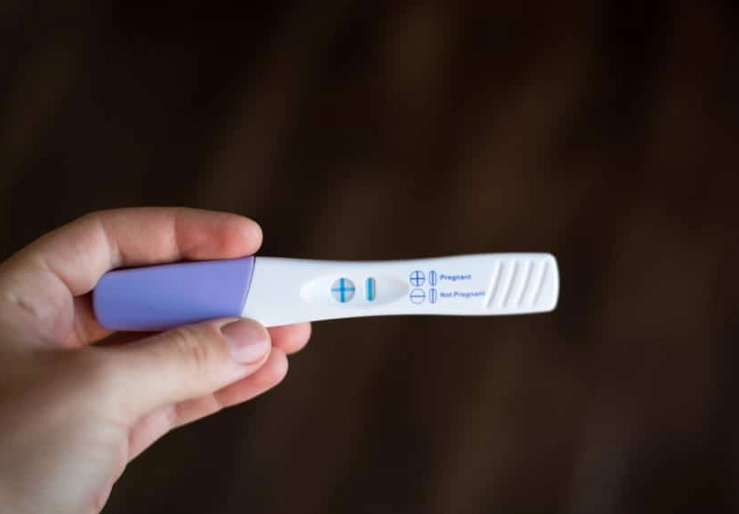
How Home Pregnancy Tests Work
They're all looking for the same thing: that hCG hormone in your urine. The test strip has antibodies that bind to hCG and cause a color change, resulting in that line, plus sign, or digital word.
When to Test for the Most Accurate Result
This is the most common mistake – testing too early.
- The Gold Standard: Test on the day your period is due, or better yet, one week after your missed period. By this time, if you are pregnant, hCG levels are usually high enough to be detected.
- "Early Result" Tests: Some brands claim you can test 4-6 days before your missed period. This is technically possible, but the accuracy is lower. You're more likely to get a false negative because hCG levels might still be below the test's detection threshold. A negative on an early test isn't definitive.
- Best Time of Day: Your first morning urine is the most concentrated and contains the highest level of hCG, making it the best sample for early testing.
Reading the Results: Lines, Evaporation Lines, and False Results
A positive result is usually clear, even if the line is faint. A line is a line. Most tests recommend reading the result within the time window specified in the instructions (usually 3-5 minutes).
Evaporation lines ("evap lines") are the worst. They are faint lines that can appear as the test dries, well after the reading window, and can be mistaken for a positive. They are colorless and have a slightly grayish appearance. Never read a test after the time limit in the instructions.
False negatives are more common than false positives. They happen if you test too early, use diluted urine, or the test is expired/ faulty.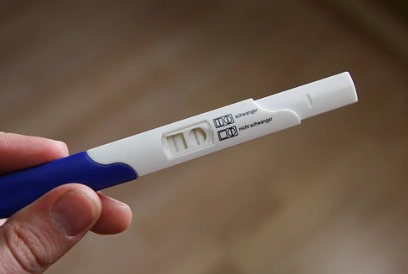
False positives are rare but can occur due to:
- Certain medications containing hCG (like some fertility drugs).
- Recent pregnancy loss (miscarriage or abortion).
- Very rare medical conditions like ovarian tumors.
- A chemical pregnancy (a very early miscarriage that occurs shortly after implantation).
Important: No matter what a home test says, the next step is always to see a doctor or healthcare provider. They confirm the pregnancy with a more sensitive urine test or a blood test (which can detect even lower levels of hCG and give an approximate measurement) and initiate your prenatal care. Organizations like the American College of Obstetricians and Gynecologists (ACOG) emphasize the importance of early prenatal care for a healthy pregnancy.
Your Questions, Answered (The FAQ Section)
Some women report feeling symptoms like breast tenderness, fatigue, or implantation cramps as early as one week after conception, which is about a week before a missed period. However, these are very subtle and easily attributed to other causes. The most reliable pre-missed-period sign is a sustained high basal body temperature.
Absolutely, and it's incredibly frustrating. The most likely reason is you tested too early. Your body might be reacting to the initial hormonal shifts, but the hCG level in your urine isn't high enough for the test to detect yet. Other possibilities include having an irregular cycle and miscalculating your period due date, or the symptoms being caused by something else entirely (like PMS or illness). Wait a few days and test again with first-morning urine.
It's usually very light pink or brownish spotting, not the bright red flow of a period. It's scant – often just a few drops on your underwear or when you wipe. It lasts anywhere from a few hours to a couple of days. It doesn't require a pad or tampon. Cramping associated with it is typically mild. If you have heavy bleeding or severe pain, contact a doctor.
Not really. The technology inside is essentially the same. Digital tests just have an optical reader that interprets the line for you and displays a word. They can be easier to read (no squinting at faint lines), but they are often more expensive and sometimes have a slightly higher hCG threshold to trigger a "Pregnant" reading, which could theoretically lead to a later positive.
This makes it much trickier. Since you can't rely on a "missed" period, pay closer attention to other physical symptoms (breast changes, nausea, fatigue). You might also consider tracking your cycles with ovulation predictor kits (OPKs) or BBT to identify when you ovulate. A pregnancy test is generally accurate about two weeks after suspected ovulation. If in doubt and symptoms persist, a doctor can perform a blood test, which gives a definitive answer regardless of your cycle timing.
What To Do After a Positive Test
Okay, deep breath. You've got a positive. The whirlwind of emotions is normal – joy, panic, disbelief, excitement, all at once. Here's a practical next-steps list.
- Schedule a Doctor's Appointment: This is non-negotiable. Call your OB-GYN, family doctor, or a local clinic (like Planned Parenthood). They will confirm the pregnancy, estimate your due date, run baseline health tests, and start your prenatal care journey. The Centers for Disease Control and Prevention (CDC) has resources on the importance of prenatal care for preventing complications.
- Start Taking a Prenatal Vitamin: If you aren't already, start immediately. Folic acid is crucial in the very early weeks for preventing neural tube defects. Most prenatals contain the recommended 400-800 mcg.
- Review Your Lifestyle: It's time to make some changes. Stop smoking and avoid alcohol. Discuss any medications you're on with your doctor. Limit caffeine (generally under 200mg per day). Make sure your diet includes plenty of fruits, veggies, and protein.
- Decide When and How to Tell People: There's no rule. Many wait until after the first trimester (around 12-13 weeks) when the risk of miscarriage decreases significantly. Tell your partner when it feels right for you. You might want to tell one trusted person for support early on.
- Listen to Your Body: Rest when you're tired. Eat small, frequent meals if you're nauseous. Drink plenty of water. Your body is doing incredible work.
What If It's Not What You Hoped For?
This needs to be said. Sometimes, figuring out how to tell if you're pregnant leads to an unexpected or unwanted result. That's okay. Your feelings are valid.
If you are not ready to be pregnant, know that you have options, and it's essential to seek non-judgmental medical counseling to understand them fully. Organizations like the ACOG provide factual information on all pregnancy outcomes.
If you were hoping for a positive and got a negative, or experienced a very early loss (chemical pregnancy), the disappointment is real. Give yourself grace. The fact that you were looking for signs means you're thinking about this path, and there will be other cycles, other opportunities.
Final Thoughts: Trust, But Verify
Learning how to tell if you're pregnant is a mix of intuition and science. Your body's whispers are important. That unexplained fatigue, the strange food aversion, the missed period – they're pieces of a puzzle.
But our bodies are also complex and can send mixed signals. That's why the process always circles back from the clues to the concrete: the home pregnancy test, and most importantly, the healthcare provider.
Try not to let the anxiety of the unknown consume you. (Easier said than done, I know). Gather the information, listen to yourself, take the test at the right time, and take that next step to get professional care and confirmation.
Whatever your journey looks like, you're not just looking for a sign – you're navigating a major life possibility. Be kind to yourself through the process.
Reader Comments