What's Inside?
- The Core Question: What's Actually Happening in Your Body?
- The Symptom Deep Dive: Feelings, Not Just Names
- The Million-Dollar Question: Early Pregnancy vs. PMS
- What To Do (And Not Do) While You're in This Limbo
- Answering Your Burning Questions (The FAQ Section)
- When to Definitely Call a Doctor (Not Just Wonder)
- Wrapping It Up: Your Mindset Matters Most
Let's be real. That time between trying to conceive (or, you know, that one time) and your expected period can feel like an eternity. You're hyper-aware of every little twinge, every shift in mood, every weird craving. You're constantly wondering, what does early pregnancy feel like before a missed period? Is this nausea just last night's dinner, or something more? Is my body playing tricks on me, or are these the first whispers of a new life?
I've been there. Staring at the ceiling at 3 AM, mentally cataloging sensations. Scouring forums for stories that matched mine. The information out there is either too clinical (“hormonal changes occur”) or a chaotic list of every symptom under the sun. It's not helpful.
So, let's cut through the noise. This isn't just a list of symptoms. It's a deep dive into the actual feelings—the physical sensations and emotional rollercoasters—that can happen in those crucial days before a pregnancy test typically turns positive. We'll talk about what's common, what's rare, how to tell it apart from your regular pre-menstrual syndrome (PMS), and most importantly, what to do with all this information without losing your mind.
The Core Question: What's Actually Happening in Your Body?
Before we get to the feelings, a tiny bit of science (I promise, no textbook stuff). After an egg is fertilized, it travels to the uterus and implants into the lining. This is called implantation, and it usually happens 6-12 days after ovulation. That's the trigger. Your body starts producing the pregnancy hormone hCG (human chorionic gonadotropin), and other hormones like progesterone stay high instead of dropping to bring on your period.
This hormonal shift is the puppet master behind most early sensations. But here's the kicker: progesterone is also high in the second half of your cycle even if you're not pregnant. That's why so many early pregnancy symptoms mirror PMS symptoms. It's a cruel, confusing overlap.
So, when you ask what does early pregnancy feel like before a missed period, you're often asking how to distinguish pregnancy progesterone from period-prep progesterone. It's subtle.
The Symptom Deep Dive: Feelings, Not Just Names
Let's get specific. I'm going to break down the common sensations, but I'll describe them in detail because “breast tenderness” can mean ten different things.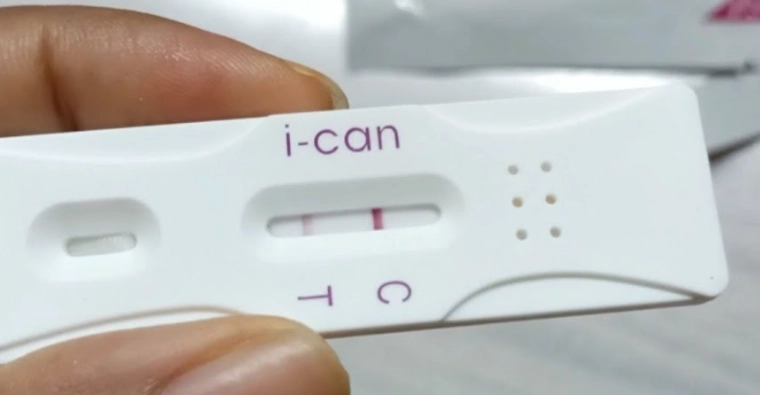
The Usual Suspects (The Common Early Feelings)
These are the sensations many people report. I'd almost call this the unofficial “top 5” list of early signs, based on countless conversations and medical resources.
Breast Changes That Feel… Different. This is a big one. With PMS, my breasts often feel heavy and sore. In early pregnancy, the feeling was sharper, more tingly. The areolas (the darker area) might look darker or feel bumpier. The veins might seem more prominent. The tenderness often feels more “full” and persistent rather than just sore. It's one of the most reliable hints for many, but again, not a guarantee.
Fatigue That Knocks You Out. Not just “I need a coffee” tired. This is “I could fall asleep at my desk at 2 PM” or “climbing the stairs feels like a marathon” exhaustion. It's a deep, cellular weariness that can start surprisingly early. I remember vacuuming one room and needing to lie down. It felt ridiculous.
Nausea and Food Aversions (The “Morning” Misnomer). “Morning” sickness is a lie—it can strike any time. Before a missed period, it's often less about vomiting and more about a constant, low-grade queasiness. Strong smells (coffee, perfume, cooking meat) can suddenly become revolting. A food you loved yesterday might seem inedible today. This aversive reaction is a classic early clue.
The Dreaded Cramping and Spotting. This one causes so much anxiety. Implantation cramping can feel like mild period cramps, a dull ache, or just a sense of “fullness” in the lower abdomen. It's usually lighter and shorter-lived than period cramps. Implantation bleeding, if it happens, is typically light spotting—pink or brownish—and lasts a day or two, not the heavy, red flow of a period. Not everyone experiences this, so don't panic if you don't.
A Shift in Bathroom Habits. You might find yourself urinating more frequently, even at night, thanks to increased blood flow to the kidneys. Conversely, the hormone progesterone can slow down your digestive tract, leading to an annoying and often unexpected bout of constipation very early on.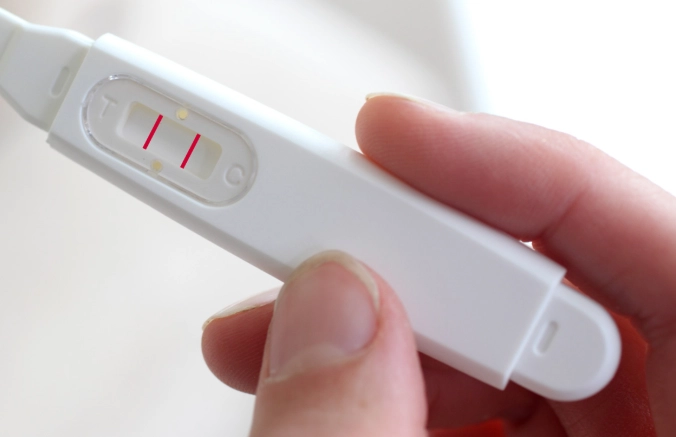
The Less-Talked-About Feelings
These don't make every list, but they're real for many people.
- Metallic Taste: A weird, coppery or metallic taste in your mouth that won't go away, even after brushing.
- Dizziness or Lightheadedness: Related to blood pressure changes and increased blood volume. Feeling a bit woozy when standing up quickly.
- Emotional Volcano: Weeping at a cute dog video. Raging because the dishwasher was loaded “wrong.” The hormone surge can make emotions feel magnified and unpredictable. It's more intense than typical PMS moodiness for many.
- Heightened Sense of Smell: Suddenly becoming a bloodhound, able to detect odors from three rooms away. Often paired with the nausea mentioned above.
- Basal Body Temperature (BBT) Staying High: If you're charting, your BBT typically drops before your period. If it stays elevated for more than 16 days past ovulation, it's a strong indicator.
The Million-Dollar Question: Early Pregnancy vs. PMS
This is the core of the confusion. Let's put them side-by-side. I find a table is the clearest way to show this overlap and the subtle distinctions.
| Symptom | Early Pregnancy (Before Missed Period) | Typical PMS |
|---|---|---|
| Breast Tenderness | Often sharper, tingling, with noticeable areola changes/darkening. Veins may appear more prominent. Feels more “full.” | Generalized soreness, heaviness, and swelling. Usually subsides as period starts. |
| Cramping | Mild, intermittent, dull ache. Lower in the abdomen. Often accompanied by light spotting (implantation). | Can range from mild to severe. Typically continues and intensifies as flow begins. |
| Bleeding/Spotting | Light pink or brown spotting for 1-2 days (implantation bleeding). Not enough to fill a pad/tampon. | Bleeding starts light and becomes a steady, red flow lasting several days. |
| Fatigue | Profound, overwhelming exhaustion that feels out of proportion to activity. | Can feel tired and sluggish, but usually less debilitating. |
| Nausea | Common, often with food aversions. Can occur any time of day. | Not a common feature of PMS. Bloating and digestive upset are more likely. |
| Mood Swings | Can be intense—sudden tears, high irritability. May feel more “all-over-the-place.” | Irritability, anxiety, sadness, or tension are common. |
| Food Cravings/Aversions | Aversions are often more pronounced early on. Cravings can be specific and strong. | Craving sweets or salty foods is common. Aversions are less typical. |
The brutal truth? The only definitive symptom is a missed period followed by a positive pregnancy test. Everything else is a clue. If you're experiencing a unique combination of these—especially nausea with breast changes and that deep fatigue—it's more suggestive.
What To Do (And Not Do) While You're in This Limbo
The waiting is the hardest part. Here's a sane approach.
Step 1: Don't Panic, Observe
Instead of obsessing, try to be a curious observer of your body. Jot down notes if it helps. “Day 8 post-ovulation: weird metallic taste, super tired.” This can help you see patterns and provide useful info later.
Step 2: Live Your Life, But Mindfully
You don't need to put everything on hold. However, it's a perfectly reasonable and responsible time to act as if you could be pregnant. That means:
- Avoiding alcohol, smoking, and recreational drugs.
- Continuing or starting a prenatal vitamin with at least 400 mcg of folic acid (this is crucial for early neural tube development). The CDC strongly recommends this for all women of childbearing age.
- Being cautious with medications—check with your doctor or pharmacist about what's safe.
- Eating nourishing foods and staying hydrated. Listen to your body's aversions; forcing down something that makes you sick isn't worth it.
Step 3: The Great Test Debate: When to Test?
This is where everyone goes crazy. Testing too early leads to false negatives and heartache. Here's the deal:
- Super Early Tests: Some “early detection” tests claim to work 6 days before your missed period. But your hCG levels might not be high enough yet. A negative this early means nothing.
- The Gold Standard: The day after your missed period. By then, hCG is usually detectable in urine. Use your first morning urine, as it's most concentrated.
- If You Can't Wait: Testing 12-14 days after ovulation (which is about when your period is due) gives a much more reliable result. The American Pregnancy Association has a good guide on pregnancy test accuracy and timing.

Answering Your Burning Questions (The FAQ Section)

When to Definitely Call a Doctor (Not Just Wonder)
While most early sensations are normal, some warrant prompt medical attention. Don't hesitate to call if you experience:
- Severe abdominal pain or cramping, especially if it's concentrated on one side.
- Heavy bleeding that soaks through a pad, like a regular or heavy period.
- Severe dizziness, fainting, or sharp shoulder pain.
- If you have a confirmed positive test and develop severe nausea and vomiting where you can't keep any liquids down.
Trust your gut. If something feels “off” or alarmingly different from your normal cycle, getting checked out provides peace of mind or necessary care. The Office on Women's Health provides a clear overview of early pregnancy stages and warning signs.
Wrapping It Up: Your Mindset Matters Most
Searching for what does early pregnancy feel like before a missed period is an act of hope, anxiety, and anticipation all rolled into one. It's a vulnerable time.
My biggest piece of advice? Try to be kind to yourself. The two-week wait is a psychological marathon. Your body is doing incredible, complex work whether you end up being pregnant this cycle or not. The symptoms are real sensations, but they are not a diagnosis.
Use the information here as a map, not a verdict. Observe, take care of yourself, and when the time is right, take the test. Whatever the result, you've already started tuning into your body in a profound way, and that's a skill that will serve you well on whatever path lies ahead.
Reader Comments