Congratulations. You just saw those two lines, or got the call from your doctor. The excitement is real, but so is the wave of anxiety that follows. What do you do now? The first trimester feels like a secret club you've just been initiated into, full of rules nobody fully explained.
Let's cut through the noise.
This isn't about achieving pregnancy perfection. It's about navigating the next 13 weeks with practical knowledge and a bit of grace. We'll break it down week-by-week, tackle the real symptoms (not just the cute ones), and give you a clear action plan. Think of this as your roadmap for the first leg of this incredible journey.
Your First Trimester Roadmap: What's Inside
How to Build Your First Trimester Nutrition Plan
Forget "eating for two." That's a second and third trimester thing. Right now, you're eating for quality.
Your baby's neural tube, which becomes the brain and spinal cord, is forming in the first few weeks—often before you even know you're pregnant. That's why the right nutrients are non-negotiable.
The Core Nutrient Shortlist: Don't just memorize a list. Understand why these matter.
- Folate/Folic Acid (600 mcg daily): Crucial for preventing neural tube defects. Your prenatal vitamin has it, but get it from food too: lentils, spinach, avocado, asparagus.
- Iron: Your blood volume is increasing. Lean red meat, spinach, and fortified cereals help prevent anemia and that crushing fatigue.
- Choline (450 mg daily): This is the unsung hero for brain development. Eggs (eat the yolk!), lean beef, and Brussels sprouts are top sources.
- Iodine: Essential for thyroid function, which drives your metabolism and your baby's brain growth. Iodized salt is your friend.
Here’s a practical look at what to focus on and what to limit.
| Focus On | Why It's Important | Limit/Avoid | Reason |
|---|---|---|---|
| Small, frequent meals | Keeps blood sugar stable, helps with nausea. | Large, heavy meals | Can trigger nausea and heartburn. |
| Protein with every meal/snack (Greek yogurt, nuts, eggs) | Supports tissue growth, keeps you full longer. | High-mercury fish (swordfish, king mackerel) | Mercury is a neurotoxin. |
| Complex carbs (oats, sweet potato, whole grains) | Provides sustained energy, fiber. | Raw/undercooked meat, eggs, fish | Risk of listeria, salmonella. |
| Hydration (water, herbal teas like ginger) | Prevents dehydration headaches, supports increased blood volume. | Unpasteurized dairy & juices | Risk of harmful bacteria. |
| Ginger & bland carbs (crackers, toast) | First line of defense against morning sickness. | Excessive caffeine (>200mg/day) | Linked to low birth weight risk. |
A friend of mine lived on plain bagels and ginger ale for three weeks. Her doctor said, "Fed is best." The baby is fine. Give yourself permission to just get through it.
Managing First Trimester Symptoms (Beyond Morning Sickness)
Morning sickness is the headline act, but the supporting cast is extensive.
Fatigue That Feels Like a Brick Wall
This isn't normal tiredness. It's your body building a placenta and flooding you with progesterone. Listen to it. Go to bed at 8 PM if you need to. A 20-minute power nap can be a game-changer. I used to sit in my car on my lunch break and just close my eyes.
The Food Aversion Rollercoaster
One day you love chicken; the next, the smell makes you gag. This is normal. Don't fight it. Find the 2-3 bland, inoffensive foods you can tolerate (for me, it was plain pasta and applesauce) and rotate them. Keep snacks everywhere—purse, car, desk drawer.
Red Flag: If you can't keep down any liquids for 24 hours, are losing weight, or feel dizzy/lightheaded, you may have hyperemesis gravidarum. This is severe nausea and vomiting that requires medical attention. Call your doctor. Don't try to tough it out.
Tender Breasts & Frequent Urination
Get a supportive sleep bra. It helps.
The frequent trips to the bathroom? Your kidneys are processing more fluid, and your growing uterus is pressing on your bladder. It's annoying, but normal. Don't reduce your water intake.
What to Expect at Your First Prenatal Visit
This usually happens around week 8-10. It can feel intimidating, but being prepared turns it into a productive partnership with your care provider.
Before You Go:
- Note the first day of your last menstrual period (LMP). This dates your pregnancy.
- Write down all medications and supplements you take.
- Jot down every question you have, no matter how silly it seems. Bring the list.
During the Visit:
Expect a full physical, including a pelvic exam and Pap smear if you're due. They'll take blood for a full panel (checking blood type, iron levels, immunity to certain diseases) and likely do a urine test. The highlight is often the first ultrasound to confirm the pregnancy is in the uterus, check for a heartbeat, and measure the baby for dating.
This is your chance to interview your provider too. Do you feel heard? Do they explain things clearly? Trust your gut.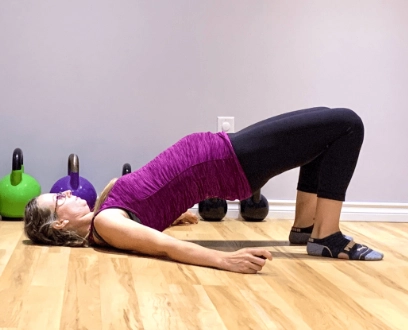
Essential Lifestyle Changes & Things to Avoid
Let's be blunt about the non-negotiables.
The Absolute No's
- Alcohol: There is no known safe amount or safe time during pregnancy. It can cause Fetal Alcohol Spectrum Disorders.
- Smoking/Vaping & Recreational Drugs: These restrict oxygen and nutrient flow to the baby and are linked to preterm birth, low birth weight, and developmental issues.
- Changing Cat Litter: This is a specific one. Cat feces can carry toxoplasmosis, a parasite that can cause serious birth defects. If you must do it, wear gloves and wash hands thoroughly.
The "Be Smart" Adjustments
- Caffeine: The general guideline is under 200mg per day (about one 12-oz coffee).
- Exercise: If you were active before, you can usually continue. Listen to your body. Now is not the time to take up high-impact training. Walking, swimming, and prenatal yoga are fantastic.
- Hot Tubs & Saunas: Avoid anything that raises your core body temperature above 102°F (39°C), especially in the first trimester, as it can increase neural tube defect risk.

A Week-by-Week Glimpse of What's Happening
Knowing what's developing can make the symptoms feel more purposeful.
Weeks 4-7
You just found out you're pregnant. The embryo is forming the neural tube, heart, and major organs. Morning sickness may start. Fatigue is intense.
Weeks 8-10
The embryo is now a fetus. All major organs are in place and starting to function. You have your first prenatal appointment. Nausea may peak. You might notice mood swings due to hormones.
Weeks 11-13
The end of the first trimester! The placenta is fully formed and taking over hormone production. For many, nausea starts to ease. You might have a dating scan around week 12. The risk of miscarriage drops significantly.
Your First Trimester Questions, Answered
Is it normal to not have any morning sickness?
Absolutely. Up to 30% of pregnant women experience little to no nausea. It doesn't mean anything is wrong. Some women just get lucky in the symptom department.
I'm exhausted all the time. Is this normal?
Yes. The fatigue of the first trimester is unlike normal tiredness. Your body is building an entire new organ (the placenta) and flooding your system with progesterone. Rest is not a luxury; it's a necessity. Prioritize sleep and don't be afraid to delegate or say no to non-essential tasks.
Can I still travel during the first trimester?
Generally, yes, but check with your doctor. The biggest concerns are access to medical care if needed and managing symptoms (like nausea) while on the go. Stay hydrated, move around on long flights/car rides to prevent blood clots, and pack your prenatal vitamins and any approved medications.
What prenatal vitamin should I take?
Look for one that contains at least 400-800 mcg of folic acid, iron, calcium, and vitamin D. Beyond that, many women find gummies easier on the stomach, but they often lack iron. Your doctor can recommend a specific brand. The most important thing is that you take it consistently.
I'm having some light spotting. Should I panic?
Light spotting can be normal, especially around the time your period would have been due (implantation bleeding) or after sex or a pelvic exam. However, you should always call your doctor to report any bleeding. They can ask you about other symptoms (like cramping) and decide if you need to be seen. It's always better to err on the side of caution.
The first trimester is a marathon, not a sprint. Be kind to yourself. Celebrate the small wins—keeping down a meal, getting through a day without a nap (or taking one guilt-free), making it to that first appointment. You've got this.
Reader Comments