That first year flies by in a blur of sleepless nights, countless diaper changes, and moments that take your breath away. One day they're a curled-up newborn, the next they're trying to pull themselves up on the coffee table. It's thrilling, exhausting, and sometimes a bit worrying. Are they on track? What should they be doing now? This guide walks you through the typical developmental milestones from 1 to 12 months, not as a strict checklist, but as a roadmap to understand and support your unique baby's incredible journey.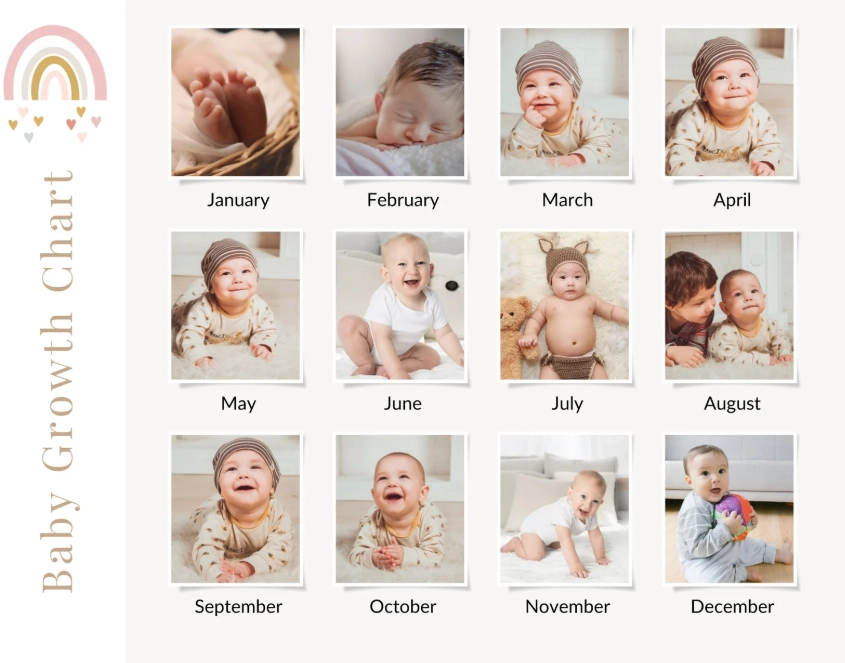
Your Quick Guide to Baby's First Year
Understanding Baby Development: It's More Than Just Milestones
Let's get one thing straight right away. Milestone charts are guidelines, not gospel. Your baby is an individual. I've seen siblings hit the same milestone weeks apart, and both turned out perfectly fine. Development happens across four main areas: motor (physical movement), cognitive (thinking and learning), communication (sounds and language), and social/emotional (personality and relationships).
The biggest mistake new parents make? Focusing solely on the big motor skills like rolling and walking. A baby who is deeply observant, making great eye contact, and babbling creatively at 9 months but isn't crawling yet is developing brilliantly in other crucial areas. The American Academy of Pediatrics (AAP) emphasizes looking at the whole child. So, use this guide to celebrate progress, not to fuel anxiety.
Months 1-3: The Newborn Foundations
This is the "fourth trimester." Your baby is adjusting to the world. Their vision is fuzzy, they eat and sleep around the clock, and their movements are mostly reflexes.
What You'll Likely See:
Month 1: Strong grasp reflex, startles easily (Moro reflex), focuses on faces 8-12 inches away—perfect feeding distance. Their main communication is crying, but you'll start to learn the different types (hungry, tired, gassy).
Month 2: The first real, social smiles appear (not just gas!). They may start to coo ("ahh," "ooh") and can briefly hold their head up during tummy time. They begin to follow you with their eyes.
Month 3: Better head control. They can push up on their forearms during tummy time. They discover their hands and might stare at them in fascination. Laughing and more varied cooing begins.
How to support them: Don't skip tummy time, even if they protest at first. Start with a minute or two after a diaper change, several times a day. Talk to them constantly—narrate your day. The sound of your voice is their favorite thing. Provide high-contrast black-and-white images or toys to look at.
Months 4-6: Discovery and Interaction
Your baby is becoming more alert, interactive, and physically strong. This is where their personality really starts to shine.
| Age | Key Motor Milestones | Key Cognitive/Social Milestones |
|---|---|---|
| 4 Months | Rolls from tummy to back. Holds head steady. Reaches and grabs for toys (often with two hands). | Laughs out loud. Enjoys play, may cry when it stops. Begins to babble ("ba-ba," "da-da"). |
| 5 Months | Rolls both ways (tummy to back, back to tummy). Bears weight on legs when held upright. | Distinguishes between bold colors. Curious about objects, examines them intently. May show stranger anxiety. |
| 6 Months | Sits with support, then possibly independently. Passes objects from hand to hand. | Responds to own name. Uses voice to express joy/displeasure. Strings vowels together ("ah-eh-oh"). |
Around 6 months, with your pediatrician's okay, you'll start solid foods. This isn't just about nutrition; it's a major sensory and motor experience. Let them get messy—it's part of the learning process.
Months 7-9: Movement and Communication
Get ready for action. Many babies become mobile during this window, which changes everything. Baby-proofing is no longer optional.
Common Mobility Paths (They're All Normal)
Not all babies crawl traditionally. Some army crawl on their bellies. Some scoot on their bottoms. Some roll to get where they want to go. A few skip crawling altogether and go straight to pulling up and cruising. The Centers for Disease Control and Prevention (CDC) milestone checklist looks for some form of mobility by 9 months, not necessarily classic crawling.
Other big developments:
- Communication: Babbling becomes more complex, with consonant-vowel combinations ("mama," "dada") though not yet meaning-specific. They understand "no" and may respond to simple gestures like "wave bye-bye."
- Cognitive: Object permanence kicks in. They now know you exist even when you leave the room, which can fuel separation anxiety. Peek-a-boo becomes a hit because they're starting to grasp that hidden things reappear.
- Motor: The pincer grasp (thumb and forefinger) develops, allowing them to pick up tiny crumbs (watch the floor!). They start to pull themselves to a standing position.
Months 10-12: Towards Toddlerhood
You're now living with a tiny explorer with strong opinions. The first birthday is on the horizon.
The Final Stretch to One Year
By their first birthday, many babies (but not all!) will be cruising along furniture or even taking their first independent steps. They can usually drink from a cup with help and feed themselves finger foods. Cognitively, they use objects correctly (brushing hair with a brush, babbling into a phone). They likely say "mama" or "dada" with meaning and may have one or two other words. They love games and will start to imitate actions they see, like clapping.
A personal observation: the obsession with walking can overshadow other amazing progress. A baby who points to what they want, follows a simple direction ("give me the ball"), and engages in pretend play is hitting huge cognitive and communication milestones that are just as important as upright locomotion.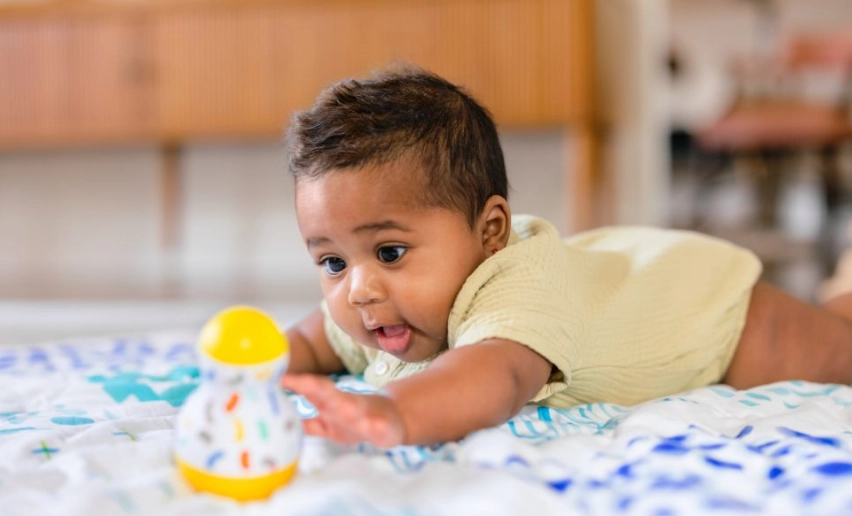
When to Talk to Your Pediatrician
Trust your gut. You know your baby best. While variation is normal, certain signs warrant a conversation with your doctor. Don't panic, but do bring it up.
- By 4 months: Doesn't follow moving objects with eyes, doesn't smile at people, can't hold head steady.
- By 6 months: Shows no affection for caregivers, doesn't laugh or squeal, doesn't reach for objects.
- By 9 months: Doesn't bear weight on legs with support, doesn't sit with help, has no back-and-forth babbling.
- By 12 months: Doesn't crawl, can't stand with support, doesn't search for hidden objects, says no single words like "mama" or "dada."
- At any age: Loss of skills they once had, persistent floppiness or stiffness, extreme sensitivity to sounds or textures, or a lack of eye contact.
Your Top Baby Development Questions Answered
 What's the one piece of advice you'd give to a parent obsessed with milestone charts?
Reader Comments