Quick Navigation
So you think you might be pregnant. Your body feels different, maybe a little off. You're paying attention to every little twinge. But have you checked in with your mouth lately? It's one of the first places those surging pregnancy hormones decide to throw a party, and trust me, it's not always a fun one. When you search for "what are the symptoms of early pregnancy in the mouth?" you're probably feeling something strange and looking for answers. Let's talk about it, plainly and honestly.
I remember with my first, the metallic taste hit me out of nowhere. I thought I'd licked a penny! It was one of those clues that sent me to the pharmacy for a test. It's wild how much your oral health is tied into the whole pregnancy journey right from the start.
The Top Mouth Symptoms You Might Notice Early On
Let's break down the specific things you might be feeling. Some are subtle, others are hard to ignore. This isn't just a list—it's the "why" behind the "what."
That Strange, Metallic Taste (Dysgeusia)
This is arguably the champion of weird early signs. Dysgeusia is the medical term for a distorted sense of taste, and a metallic, sour, or bitter flavor is classic. It's like you've been sucking on coins or have aluminum foil in your mouth. It can be constant or come and go, and it can really mess with your enjoyment of food and water.
Why does it happen? The leading theory points back to hormones affecting your taste buds. Some research also suggests it could be linked to the increased sense of smell (hyperosmia) that often accompanies early pregnancy, which in turn alters taste perception. It's frustrating, especially when you're trying to stay hydrated or eat healthy.
Persistent Dry Mouth (Xerostomia)
Feeling parched all the time, even after drinking water? Hormonal shifts can affect your salivary glands, leading to reduced saliva production. Saliva is your mouth's natural defense—it washes away food particles, neutralizes acids, and helps prevent decay. When it's in short supply, things get riskier.
Dry mouth isn't just uncomfortable. It can contribute to that bad taste, make swallowing difficult, and significantly increase your risk for cavities and gum disease because the protective effects of saliva are diminished. It's a sneaky symptom with real consequences for your dental health.
Tender, Swollen, or Bleeding Gums (Pregnancy Gingivitis)
This is a big one. You might notice your gums look redder, feel puffy or tender, and bleed easily when you brush or floss—even if you've never had this problem before. This inflammation is called pregnancy gingivitis, and it can start as early as the second month.
The hormone progesterone makes your gum tissue more sensitive to the toxins produced by plaque bacteria. The increased blood flow also makes them more prone to swelling and bleeding. It's a perfect storm. Ignoring it is a bad idea, as it can progress to more serious periodontal disease, which has been linked to adverse pregnancy outcomes like preterm birth and low birth weight. The American Dental Association (ADA) strongly emphasizes the importance of oral care during pregnancy for this very reason.
Honestly, seeing a bit of pink on your toothbrush can be alarming if you don't know it's a common part of the picture when wondering what are the symptoms of early pregnancy in the mouth.
Increased Tooth Sensitivity
Suddenly wincing when you sip something cold or sweet? That new sensitivity can be a surprise. It can happen for a couple of reasons linked to early pregnancy. First, if you're experiencing morning sickness and vomiting, stomach acids repeatedly bathing your teeth can erode enamel, exposing the sensitive dentin underneath. Second, cravings for acidic foods (pickles, citrus fruits) can do the same damage over time.
Bad Breath (Halitosis)
It's an awkward one to talk about, but it's real. The combination of dry mouth (less saliva to cleanse), hormonal changes altering the oral environment, and possibly vomiting from morning sickness can all lead to persistent bad breath. It often feels like you can't get rid of it no matter how much you brush.
Managing These Symptoms: Practical, Doable Tips
Knowing about the symptoms is one thing. Dealing with them day-to-day is another. Here are some strategies that actually work, gathered from dental professionals and lived experience.
For that awful metallic taste:
- Suck on sour candies or mints (sugar-free is best for your teeth). The strong flavor can temporarily override the metal.
- Squeeze lemon or lime into your water. The acidity can help cut through the taste.
- Use plastic utensils instead of metal ones when eating.
- Experiment with stronger seasonings in your food, like herbs, spices, or marinades.
To combat dry mouth:
- Carry a water bottle and sip constantly throughout the day. This is non-negotiable.
- Chew sugar-free gum or suck on sugar-free lozenges to stimulate saliva flow.
- Avoid caffeine and alcohol, as they are dehydrating.
- Consider using a humidifier in your bedroom at night.
- Ask your dentist about moisturizing mouth rinses designed for dry mouth.
For sensitive, bleeding gums (this is crucial):
- Do not stop brushing and flossing! Gentle, thorough cleaning is more important than ever. Use a soft-bristled toothbrush and be gentle along the gumline.
- Consider an electric toothbrush with a pressure sensor to ensure you're not brushing too hard.
- Floss daily. If your gums bleed, it means there's inflammation there that needs to be cleaned out. The bleeding should improve with consistent, gentle care.
- Schedule a dental cleaning and checkup. Tell your dentist you are pregnant or trying to conceive. Professional cleaning removes tartar that you can't brush away, which is key to controlling gingivitis. The American College of Obstetricians and Gynecologists (ACOG) states that dental cleanings and necessary X-rays (with proper shielding) are safe during pregnancy and are an essential part of prenatal care.
What about sensitivity and enamel protection?
- If you vomit, do not brush your teeth immediately. The enamel is softened by acid. Rinse your mouth with water or a baking soda rinse (1 tsp baking soda in 1 cup water) to neutralize the acid. Wait at least 30-60 minutes before brushing.
- Use a toothpaste for sensitive teeth.
- Limit snacking on acidic or sugary foods. If you do indulge, rinse with water afterwards.

When to See a Dentist vs. Your Doctor
This is a common point of confusion. Here’s a simple breakdown.
| Symptom/Situation | See Your Dentist For... | Mention to Your OB/GYN or Doctor... |
|---|---|---|
| Bleeding, swollen gums | A professional cleaning, assessment of gum health, and personalized oral hygiene instructions. | As part of your overall symptom picture. They can reinforce the importance of dental care. |
| Persistent metallic taste or dry mouth | To rule out other dental causes and get product recommendations (e.g., specific rinses). | As a primary early pregnancy symptom. They can confirm it's likely hormonal and monitor its progression. |
| Toothache, visible cavity, or dental emergency | Immediate treatment. Dental infections should be treated promptly during pregnancy. | To inform them of any treatment or medications (like safe antibiotics or local anesthetic) the dentist prescribes. |
| Using symptoms to confirm pregnancy | Not applicable. Oral symptoms alone are not diagnostic. | To discuss your symptoms and get a confirmed pregnancy test and prenatal care guidance. |
The collaboration between your dental and medical providers is key for your overall and prenatal health.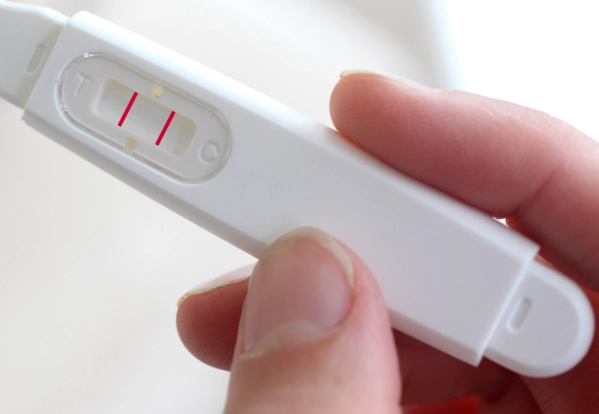
Answering Your Burning Questions
Let's tackle some of the specific questions that pop up when you're deep in a search about what are the symptoms of early pregnancy in the mouth.
Can mouth symptoms be the *only* early sign of pregnancy?
It's possible, but not typical. More often, a metallic taste or sudden gum tenderness is one piece of the puzzle alongside a missed period, breast tenderness, or fatigue. However, some women are very attuned to changes in their mouths and might notice these subtle shifts before anything else. They shouldn't be used as a sole diagnostic tool, but they are valid clues from your body.
How soon after conception can these mouth symptoms start?
They can appear surprisingly early, often around weeks 4 to 6 of pregnancy (which is just 2 to 4 weeks after conception), as hormone levels begin their rapid rise. For some, the metallic taste is a week 5 or 6 phenomenon that really announces itself.
Do all pregnant people experience these oral changes?
No, and the intensity varies wildly. Some sail through with no mouth issues at all (lucky them!). Others get hit hard with one or two symptoms, and some experience the whole menu. Genetics, pre-existing oral health, and individual hormonal responses all play a role.
Are there any serious conditions these symptoms could signal?
While most often benign and pregnancy-related, it's wise to be aware. Severe, persistent dry mouth could be related to other conditions. Significant gum swelling can sometimes develop into a more dramatic but benign growth called a pregnancy pyogenic granuloma or "pregnancy tumor" (it sounds scarier than it is—it's not cancerous). It's a localized, over-the-top inflammatory response to plaque that usually appears in the second trimester and often goes away after birth. Your dentist can diagnose and monitor it.
The main serious link is the connection between untreated, severe gum disease (periodontitis) and pregnancy complications. This is why managing gingivitis early is so critical—it's not just about your teeth, it's about creating a healthier environment for your baby. Resources from the Centers for Disease Control and Prevention (CDC) provide clear public health guidance on this connection.
When do these mouth symptoms usually go away?
For many, the metallic taste and extreme sensitivity peak during the first trimester and fade as hormone levels stabilize in the second trimester. However, gum issues like gingivitis can persist or even worsen throughout pregnancy if not managed carefully. Dry mouth may also come and go. After delivery, as hormones return to pre-pregnancy levels, most of these symptoms should resolve completely. Your gums should stop bleeding and return to normal with good care, though any gum recession caused by inflammation may be permanent.
The Bottom Line
If you're noticing odd changes in your mouth—a funny taste, new sensitivity, or gums that just don't feel right—it's perfectly reasonable to wonder if it's an early sign of pregnancy. These symptoms are a real and common part of the hormonal upheaval. The best approach is a proactive one: step up your gentle oral hygiene, don't skip the dentist, and communicate with both your dental and medical providers. Your mouth is giving you signals; listening to them is an important part of taking care of yourself and your potential new arrival.
Ultimately, exploring the question of what are the symptoms of early pregnancy in the mouth leads you to a deeper understanding of how interconnected your body is. It's not just about a possible baby; it's a reminder that oral health is inseparable from whole-body health, especially during such a transformative time. Pay attention, be kind to yourself, and get the professional support you need. You've got this.
Reader Comments