I remember staring at my reflection at exactly 12 weeks pregnant. There was a definite roundness below my belly button. My brain did a frantic back-and-forth: "Is that you, baby? Or did that bean burrito from last night stage a hostile takeover?" I frantically Googled pictures of "12 week baby bump," only to find a confusing mix of flat stomachs and obvious bumps. The uncertainty was real, and frankly, a bit isolating.
Here’s the truth most generic articles won’t tell you: at 12 weeks, your uterus is just about the size of a large grapefruit. It’s still tucked neatly behind your pubic bone for most people. So, that firm, low bump you might feel when lying down? That’s likely the real deal. The softer, higher, gurgly distention that comes and goes with meals? That’s Team Bloat. The confusion happens because, for many of us, both are present at the same time.
In this article, you'll discover:
How to Tell if You're Showing or Just Bloated at 12 Weeks
Let’s cut through the noise. You need a practical checklist, not vague promises. Based on my own experience and conversations with dozens of moms, the distinction boils down to a few tangible signs.
Think of it this way: Your baby bump is like a small, hard-boiled egg slowly growing into an avocado. Bloating is like a balloon filled with air that inflates and deflates throughout the day.
The most reliable method is the "morning check." Lie flat on your back first thing in the morning, before you’ve eaten or drunk anything. Press gently just above your pubic bone. If you feel a firm, rounded, distinct bulge, that’s very likely your uterus and your baby. It won’t disappear. Now, check again after dinner. If the roundness has migrated upward, feels softer, and is accompanied by gas or discomfort, that’s the bloating layer on top.
Side-by-Side Comparison: Baby Bump vs. Bloat
| Feature | Early Baby Bump (Showing) | Pregnancy Bloating |
|---|---|---|
| Location | Very low, centered, just above pubic bone. | Higher up, often across the entire abdomen, can feel "all over." |
| Texture | Firm to the touch, consistent. | Soft, squishy, sometimes tense like a drum. |
| Timing & Behavior | Constant and gradually growing week by week. Doesn't deflate. | Fluctuates dramatically. Often worse in the evening, after meals, or with certain foods. |
| Associated Feelings | Usually no direct discomfort from the bump itself. May feel a sense of pelvic fullness. | Gas pains, cramping, rumbling, general abdominal discomfort or pressure. |
| Influence | Influenced by your anatomy (see next section). | Influenced by diet, hydration, digestion, and hormones (hello, progesterone!). |
A mistake I see often? People attribute all lower belly firmness to bloat. At 12 weeks, your uterine muscles are thickening. That low, hard feeling isn't gas—it's foundational work. Ignoring that can make you miss the early, amazing connection with your changing body.
What Really Determines If You Show Early (It's Not Just Your Body)
"Is this normal?" is the silent scream behind every bathroom mirror session. The answer is infuriatingly broad: yes. But let's get specific about the factors. It's not just about being thin or thick.
Your Uterine Position is a Game-Changer. This is the insider detail most first-timers don't know. You can have an anteverted (tilts forward) or retroverted (tilts backward) uterus. An anteverted uterus pushes against your abdominal wall sooner, making a bump appear earlier. A retroverted one grows towards your spine first, often leading to a later "pop." You can't change this, and an ultrasound is the only way to know for sure. If you're 12 weeks and feel nothing firm low down, this could be why.
Your Core Muscle Tone Plays a Role, But Not How You Think. Conventional wisdom says strong abs hide a bump longer. Sometimes true. But here's the twist: a woman with very toned, tight transverse abdominis muscles might actually have her uterus push outward more noticeably once those muscles start to relax and separate (diastasis recti begins early). Meanwhile, someone with less tone might have the expansion absorbed across a wider, softer area initially, camouflaging it.
It's Your First Pregnancy vs. Subsequent Ones. This one holds up. Your uterine and abdominal muscles have memory and are more relaxed after a first pregnancy. You will almost certainly show earlier with a second or third baby. At 12 weeks with my second, I looked like I did at 18-20 weeks with my first. It was all bump, and it was undeniable.
Your Natural Build and Bloating Synergy. A shorter torso has less vertical space, so the bump projects outward faster. If you combine a short torso with significant first-trimester bloating—which almost everyone gets—the visual effect is amplified. The bloat acts like a pillow, pushing everything forward.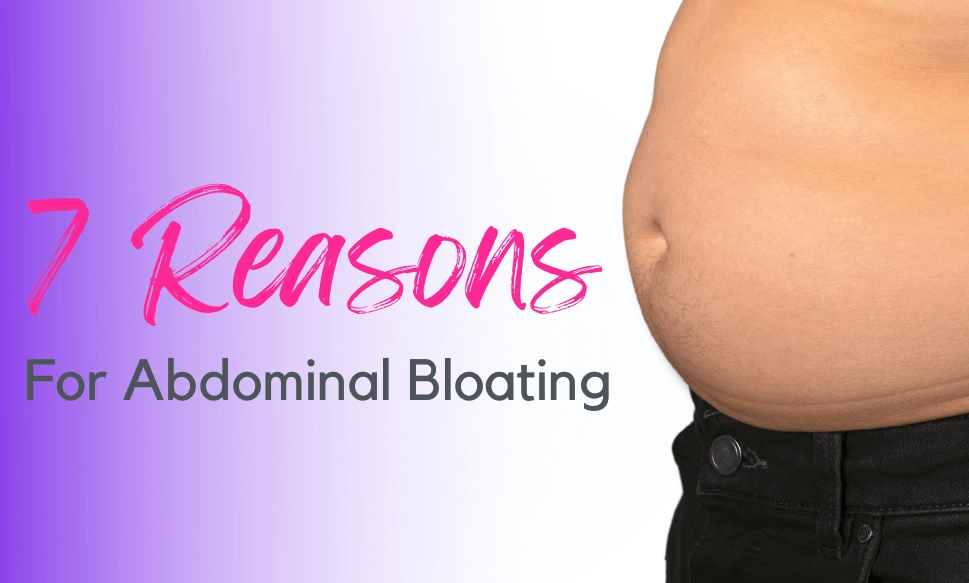
Practical Strategies: Feeling Better in Your Body Right Now
Whether it's bump or bloat, you're probably uncomfortable. Let's talk real solutions, not just "drink water."
To Tame the Bloat Beast:
Progesterone slows your digestion to a crawl to maximize nutrient absorption. It's brilliant for the baby, brutal for your gut.
- Smaller, Frequent Meals: Ditch three large plates. Think of your stomach as a small, delicate processor. Five or six mini-meals reduce the backlog.
- The Fiber Balance Act: You need fiber, but ramping up too fast is a recipe for disaster. Add it gradually. Soak legumes before cooking. Cook vegetables thoroughly rather than eating them raw in large salads.
- Slow Down on the Sparkle: Carbonated drinks, even water, introduce extra gas. Switch to still fluids for a week and see if it helps.
- Mindful Eating: Seriously, chew. I was a notorious fast eater, and slowing down made a tangible difference in evening discomfort.
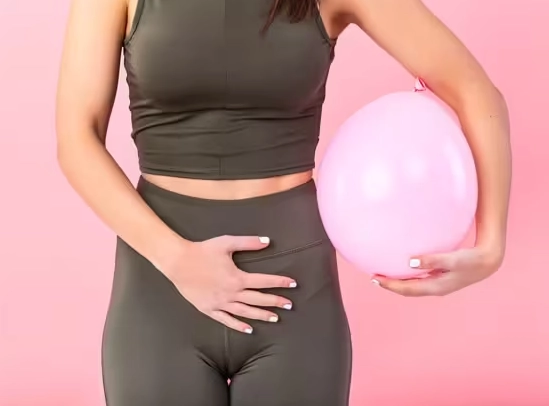
To Embrace (or Camouflage) the Early Bump:
You might not be ready for maternity wear, but your jeans are screaming.
- The Hair Tie Trick: Loop a hair tie through the buttonhole of your jeans and around the button. Instant expansion panel.
- Belly Bands are Worth It: A simple, stretchy band worn over the unbuttoned waistband of your pants is a lifesaver. It smooths the transition and provides gentle support.
- Flow is Your Friend: Empire waist dresses, swing tops, and stretchy knit skirts don't care if you're bump or bloat. They just flow over it gracefully.
- Invest in One Good Pair: I bought one pair of actual maternity jeans with a full panel at 14 weeks and wore them twice a week until the end. They were that comfortable. Don't suffer in denim that digs in.
When Your Distended Belly Might Be More Than Bloat
Most of the time, it's normal. But you should know the red flags. Trust your gut (pun intended).
Contact your doctor or midwife if your abdominal distension is accompanied by:
- Severe or persistent pain that doesn't ease with gas or a bowel movement.
- Sharp, one-sided pain (though round ligament pain can be sharp, it's usually brief and on both sides).
- Fever, chills, or vomiting.
- No bowel movement for more than 4-5 days despite trying gentle remedies (prune juice, etc.).
- Significant sudden swelling in your hands, feet, or face (this is more relevant later but good to know).
Severe constipation can mimic bloating but feel much harder and more painful. According to information from the American College of Obstetricians and Gynecologists (ACOG), constipation is a common first-trimester woe due to hormones and iron supplements. Don't hesitate to ask your provider for a pregnancy-safe stool softener. Suffering is not a requirement.
Your 12-Week Bump Questions, Answered
The 12-week mark is a weird, wonderful, and confusing limbo. Your secret is safe. That firm little potato below your navel? That's likely the beginning of your baby's home. The rest is a hormonal haze of digestion that will ebb and flow. Be kind to your body. Use the hair tie trick. Drink the ginger tea. And know that very, very soon, there will be no question at all.
Reader Comments