Let's get straight to the point. If you're searching for how to check for early pregnancy by touching your stomach, you're probably looking for a tangible, immediate sign. Maybe your period is late, or you just have a feeling. You press on your lower abdomen, wondering if you can feel a difference, a firmness, something that whispers "yes." I've been there myself, and as someone who's worked in maternal health education for years, I've heard this question countless times.
The short, honest answer is this: You cannot reliably confirm an early pregnancy simply by touching or pressing on your stomach. In the very early weeks—think 4 to 8 weeks pregnant—the uterus is still tucked deep inside your pelvis, behind the pubic bone. It's about the size of a small pear or an apricot. Feeling it from the outside is virtually impossible.
But that doesn't mean the question is silly. The desire to connect physically with a potential pregnancy is powerful. This article will explore what you might actually be feeling, why the "touch test" falls short, and—more importantly—the accurate, safe methods you should rely on instead.
In This Article
What You Might Actually Feel (And What It Means)
So, if you're poking your lower belly and sensing something, what is it? It's likely not the baby or the uterus itself at this stage. Here are the common sensations women mistake for early pregnancy signs:
Bloating and Gas: This is the number one culprit. Hormonal changes, specifically rising progesterone levels which occur both before your period and in early pregnancy, slow down your digestive system. This can cause significant bloating, gas, and a feeling of fullness or firmness in the lower abdomen. It feels real because it is real—it's just not the uterus.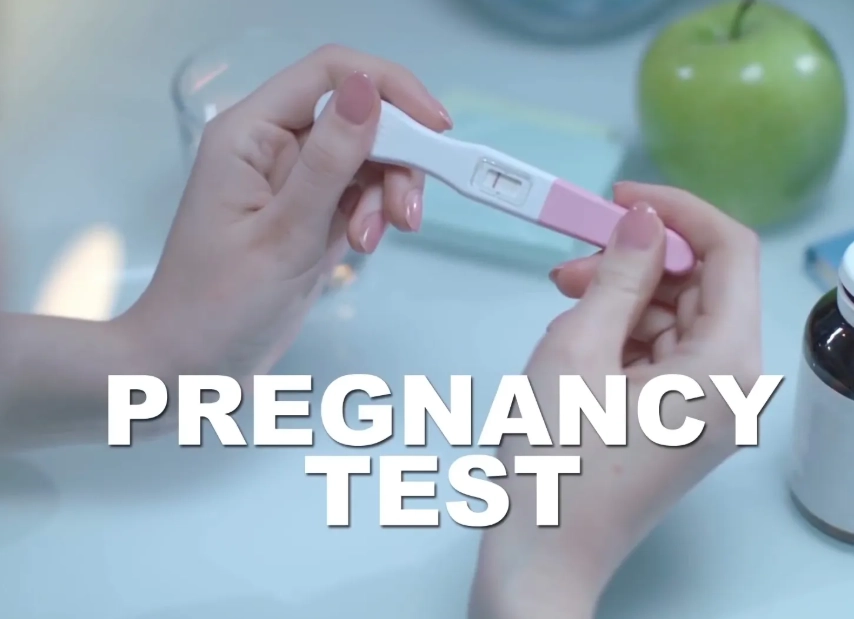
Mild Cramping or Pulling: Implantation cramping or early uterine stretching can cause sensations similar to menstrual cramps. You might feel a dull ache or a pulling feeling low in your pelvis. This can be a very early sign, but it's a sensation inside, not something you can palpate with your fingers on the outside.
Increased Sensitivity: Some women report their abdomen just feels different—more tender or sensitive to touch. This, again, is related to hormonal shifts and increased blood flow to the pelvic region.
A Key Distinction: What you're feeling through the abdominal wall in the first trimester is almost always related to digestive changes, muscle tension, or normal pelvic sensations, not the physical outline of the pregnant uterus. That changes dramatically later on, but not in those initial weeks of uncertainty.
Why the "Touch Test" Fails for Early Detection
Let's break down the anatomy. It's the most common gap in understanding.
Where Your Uterus Really Is
At 6 weeks pregnant, the top of your uterus (the fundus) is still at or below your pubic symphysis (that bony area where your pubic hair grows). It's completely protected by your pelvis. Think of it like a small fruit sitting in a sturdy ceramic bowl—you can't feel the fruit by pressing on the outside of the bowl.
It's not until around 12 weeks of pregnancy that the uterus grows large enough to rise up out of the pelvis and into the lower abdomen, where you might start to feel a firm bump above the pubic bone.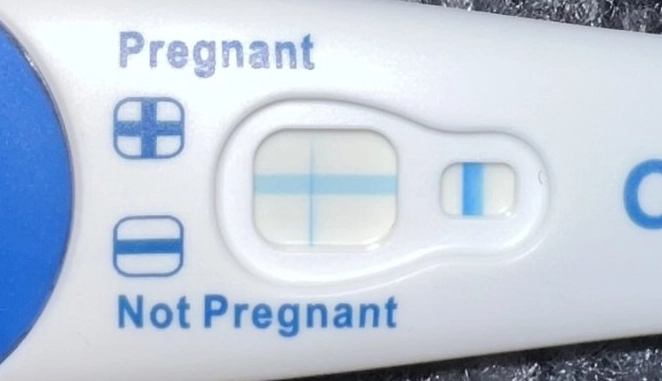
The Big Risk: Misinterpretation and Anxiety
This is the expert pitfall I see all the time. Relying on touch creates a rollercoaster of hope and doubt. You might feel bloated and think it's a baby, only to be disappointed. Conversely, you might feel nothing and incorrectly assume you're not pregnant, delaying a test and potentially important prenatal care.
It also leads to unnecessary worry. "Why can't I feel anything firm?" or "Is this lump I'm feeling normal?" That lump is often just a normal, non-pregnant uterus, stool in the colon, or an ovarian cyst—all common things that untrained hands can't distinguish.
Important Safety Note: Vigorously poking or pressing on your lower abdomen in an attempt to feel something is not recommended. It's uncomfortable and provides no useful information. If you are pregnant, it won't harm the embryo (which is incredibly well-cushioned at this stage), but it can cause you needless stress.
Reliable At-Home & Medical Pregnancy Checks
Forget the guessing game. Here’s what actually works, listed in order of reliability and timing.
1. Home Pregnancy Tests (HPTs)
This is your first and best stop. Modern tests are highly accurate when used correctly. They detect human chorionic gonadotropin (hCG), a hormone produced only after a fertilized egg implants in the uterus.
When to test: The day of your missed period is a good time. Some sensitive tests claim to detect hCG 4-5 days before your missed period, but accuracy increases if you wait. For the clearest result, test with your first morning urine, which is most concentrated.
A pro tip most miss: If you get a faint positive line, you are likely pregnant. Any line, however faint, indicates hCG is present. A common mistake is to dismiss it as an "evaporation line" or "maybe negative." A true positive gets darker over days as hCG rises. Retest in 48 hours.
2. Tracking Basal Body Temperature (BBT)
This is a pre-conception method, not a confirmation method, but it provides powerful clues. If you've been charting your BBT (your temperature upon waking), you'll see it rise after ovulation and stay elevated for more than 14-16 days if pregnancy occurs. A sustained high temperature past your expected period date is a strong indicator to take a pregnancy test.
3. Blood Test at a Clinic or Doctor's Office
This is the gold standard for early confirmation. A quantitative blood test measures the exact amount of hCG in your bloodstream. It can detect pregnancy even earlier than a urine test (about 6-8 days after ovulation) and is 99% accurate. Your doctor may also use it to track if hCG levels are rising appropriately in early pregnancy.
4. Pelvic Exam by a Healthcare Provider
This is closer to the "touch" method, but performed by a trained professional. Around 6-8 weeks, a doctor or midwife may be able to detect subtle signs during a bimanual exam (using fingers inside the vagina and the other hand on the abdomen). They might feel that the uterus is slightly enlarged, softer (Hegar's sign), or the cervix has changed texture. This is a clinical skill developed over years—it's not something you can replicate on yourself.
When and Why to See a Doctor
Once you have a positive home pregnancy test, the next step is making an appointment with an OB-GYN, midwife, or family doctor. The American College of Obstetricians and Gynecologists (ACOG) recommends your first prenatal visit around 8 weeks of pregnancy.
This visit isn't just for confirmation. It's for:
- Dating the pregnancy accurately via ultrasound.
- Checking your overall health and identifying any risk factors.
- Starting prenatal vitamins with folic acid, which is crucial for preventing neural tube defects very early in development.
- Discussing lifestyle, diet, and what to expect.
Putting off this visit because you're not "sure enough" from how you feel can mean missing these important early interventions.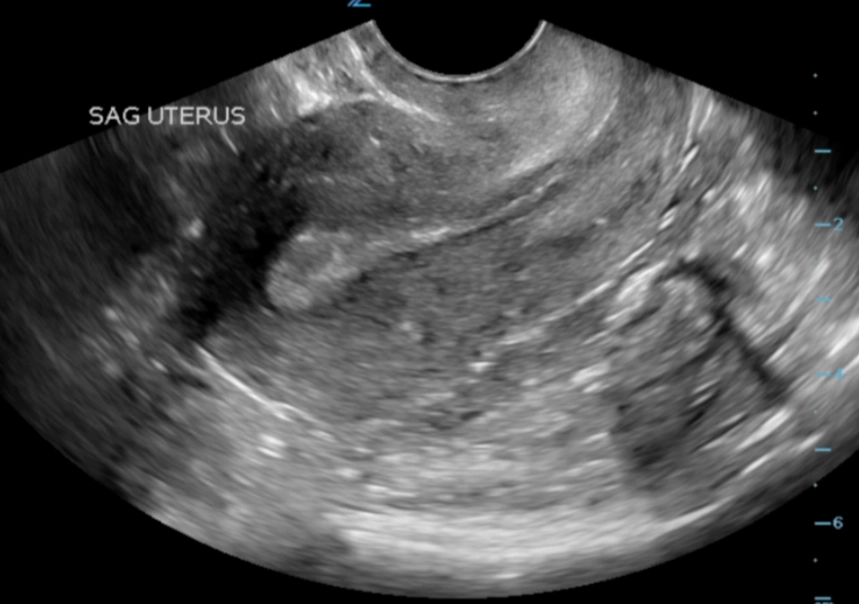
Your Questions, Answered
The bottom line is this: Your hands are not a pregnancy test. The desire to know is powerful, but channel that energy into using the truly effective tools available—a simple urine test strip. It's faster, more accurate, and saves you from days of uncertain prodding. If that test is positive, congratulations! Your journey begins not with a self-exam, but with a call to a healthcare provider to start your prenatal care the right way.
Reader Comments