If you're trying to get pregnant and heard about "5-day tablets," you might be wondering what they are and if they're right for you. Let's cut to the chase: these tablets are prescription fertility medications, typically Clomiphene (Clomid) or Letrozole (Femara), taken for five days early in your menstrual cycle to stimulate ovulation. They're a common first-line treatment for ovulation disorders, but they're not a magic pill—they come with nuances that many beginners miss. I've seen patients jump in without understanding the full picture, leading to frustration. In this guide, I'll break down everything from how these drugs work to the gritty details doctors sometimes gloss over, based on years of advising couples through their fertility journeys.
Jump Straight to What Matters
- What Are the 5-Day Tablets for Getting Pregnant?
- How Do These Fertility Tablets Actually Work?
- Who Should Consider Taking 5-Day Fertility Tablets?
- The 5-Day Protocol: Dosage, Timing, and a Real-Life Scenario
- Success Rates and What to Realistically Expect
- Potential Side Effects and Risks You Need to Know
- What If 5-Day Tablets Don't Work? Exploring Alternatives
- Your Burning Questions Answered
What Are the 5-Day Tablets for Getting Pregnant?
When people ask about "5-day tablets for getting pregnant," they're usually referring to oral medications prescribed to induce ovulation. The big names here are Clomiphene citrate (sold as Clomid or Serophene) and Letrozole (Femara). These aren't over-the-counter supplements—they're serious drugs that require a doctor's oversight. Clomid has been around since the 1960s, and Letrozole gained popularity more recently. Both are taken for five days, typically starting on day 3, 4, or 5 of your menstrual cycle. They trick your brain into producing more follicle-stimulating hormone (FSH), which then encourages your ovaries to release an egg. It sounds straightforward, but here's a subtle error I often see: many assume these tablets work for everyone with infertility. In reality, they're specifically for women who aren't ovulating regularly, like those with polycystic ovary syndrome (PCOS). If your tubes are blocked or your partner has sperm issues, these pills won't help much.
Let me share a quick story. A friend of mine, Sarah, tried Clomid after six months of trying naturally. She didn't realize she needed monitoring—ultrasounds to check follicle growth. She took the pills blindly, ovulated late, and missed her fertile window. That's a common pitfall: these tablets aren't a set-it-and-forget-it deal. You need tracking to time intercourse or insemination right.
How Do These Fertility Tablets Actually Work?
These drugs work by messing with your hormone feedback loops. Clomid is a selective estrogen receptor modulator. It binds to estrogen receptors in your brain, making your body think estrogen levels are low. Your pituitary gland then pumps out more FSH and luteinizing hormone (LH), which tell your ovaries to grow and release an egg. Letrozole is an aromatase inhibitor—it blocks estrogen production, leading to a similar effect. The goal is to mature one or more follicles (the sacs containing eggs) so ovulation happens.
But here's a non-consensus point many experts don't emphasize enough: Letrozole might be better for women with PCOS. Some studies, like those cited by the American Society for Reproductive Medicine, suggest Letrozole has higher live birth rates and fewer side effects like thinning uterine lining compared to Clomid. Yet, many clinics still default to Clomid out of habit. If you have PCOS, ask your doctor about Letrozole upfront. It could save you months of trial and error.
Key Takeaway: Both Clomid and Letrozole aim to trigger ovulation, but their mechanisms differ slightly. Letrozole is often preferred for PCOS due to better outcomes, though insurance coverage might vary.
Who Should Consider Taking 5-Day Fertility Tablets?
These tablets aren't for everyone trying to conceive. They're primarily prescribed for:
- Women with ovulation disorders: Like PCOS or hypothalamic amenorrhea (where periods stop due to stress or low weight). If your cycles are irregular or absent, these drugs can help kickstart ovulation.
- Unexplained infertility: Sometimes used empirically to boost ovulation even if cycles seem normal, but success rates are lower here.
- Before moving to more invasive treatments: Often a first step before IVF or injectables.
However, you shouldn't use them if you have primary ovarian insufficiency (early menopause), untreated thyroid issues, or liver disease. Also, men's fertility problems won't be fixed by these—a semen analysis is crucial first. I've met couples who wasted time on Clomid when the real issue was low sperm count. Get a full workup with a reproductive endocrinologist before starting.
The 5-Day Protocol: Dosage, Timing, and a Real-Life Scenario
The standard protocol involves taking one tablet daily for five days. Dosages vary: Clomid usually starts at 50 mg per day, and Letrozole at 2.5 mg per day. Your doctor might adjust based on response. Timing is critical—you start on day 3, 4, or 5 of your cycle (day 1 is the first day of your period). Why not day 1? Starting too early can interfere with follicle selection, leading to poor outcomes.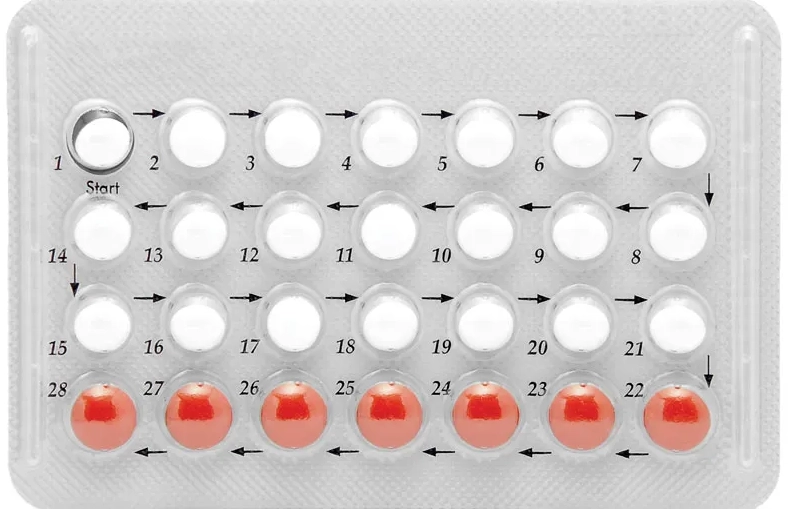
Let's walk through a hypothetical scenario. Meet Jane, 32, with PCOS. Her doctor prescribes Letrozole 2.5 mg, starting on day 3 of her period. She takes it at the same time each evening to maintain steady levels. During the five days, she might feel mild bloating or headaches. After finishing, she goes for a transvaginal ultrasound around day 12-14 to check follicle size. If a follicle reaches 18-20 mm, she gets a trigger shot of hCG to induce ovulation, then times intercourse for the next 36 hours. Without monitoring, Jane might ovulate late or not at all—that's where many fail.
Here's a table summarizing typical protocols:
| Medication | Common Starting Dose | Days Taken | Key Monitoring Step |
|---|---|---|---|
| Clomiphene (Clomid) | 50 mg/day | Days 3-7 or 5-9 | Ultrasound on day 12-14 |
| Letrozole (Femara) | 2.5 mg/day | Days 3-7 | Ultrasound on day 12-14 |
Some doctors skip monitoring to save costs, but I advise against it. Without it, you risk multiple pregnancies (twins or more) or missing ovulation entirely.
Success Rates and What to Realistically Expect
Success rates depend on your diagnosis. For women with ovulation disorders, Clomid and Letrozole can induce ovulation in about 80% of cases, with pregnancy rates around 30-40% per cycle if timed correctly. But that's over six months—cumulative pregnancy rates can reach 60-70%. For unexplained infertility, rates drop to 10-20% per cycle. Letrozole might edge out Clomid slightly, with studies showing live birth rates of 27% vs. 19% for PCOS patients, as per research from the National Institutes of Health.
Don't expect miracles in one cycle. It often takes 3-6 cycles to achieve pregnancy. If it doesn't work after 3-6 ovulatory cycles, your doctor might suggest moving on. A personal observation: many couples get discouraged after one failed cycle, but persistence with adjustments (like dose increases) can pay off. However, beware of overuse—Clomid shouldn't be used for more than 6 cycles due to increased cancer risks, though evidence is mixed.
Potential Side Effects and Risks You Need to Know
These tablets aren't side-effect-free. Common ones include hot flashes, mood swings, bloating, and headaches. Clomid can thin the uterine lining, potentially making implantation harder—a downside rarely discussed upfront. Letrozole might cause fatigue or joint pain. More serious risks include ovarian hyperstimulation syndrome (OHSS), though it's rarer with oral meds than injectables, and multiple pregnancies (about 5-10% chance, mostly twins).
Here's a gritty detail: Clomid can stay in your system for weeks, affecting cervical mucus and making it hostile to sperm. If you notice dry mucus, ask about estrogen supplements or switching to Letrozole. I've seen cases where couples had perfect ovulation but poor mucus, leading to failed cycles. Monitoring with a doctor helps catch these issues.
What If 5-Day Tablets Don't Work? Exploring Alternatives
If 5-day tablets fail after several cycles, don't lose hope. Alternatives include:
- Injectable gonadotropins: These are stronger hormones given as shots, often used with intrauterine insemination (IUI). They have higher success rates but more side effects and costs.
- Metformin: For PCOS, this diabetes drug can improve insulin resistance and ovulation, sometimes combined with Clomid or Letrozole.
- IVF: In vitro fertilization bypasses many ovulation issues entirely.
- Lifestyle changes: Weight loss, stress reduction, and supplements like myo-inositol for PCOS can support fertility naturally.
According to the World Health Organization, addressing underlying health issues like obesity or thyroid disorders can sometimes make these tablets unnecessary. It's worth a holistic approach.
Your Burning Questions Answered
Wrapping up, 5-day fertility tablets like Clomid and Letrozole can be powerful tools for getting pregnant, but they're not a one-size-fits-all solution. Work closely with a doctor, insist on monitoring, and be patient. I've seen too many rush in without understanding the nuances, leading to unnecessary stress. Take it step by step, and remember—every fertility journey is unique.
Reader Comments