Eating well during pregnancy isn't just about avoiding junk food; it's about fueling your body and your baby's growth with the right nutrients. I've worked with dozens of pregnant women over the years, and the biggest mistake I see is focusing too much on restrictions instead of additions. Let's cut to the chase: a healthy pregnancy diet balances key nutrients, includes a variety of foods, and adapts to your changing needs. Here’s everything you need to know, stripped of the fluff.
In This Guide
Essential Nutrients for a Healthy Pregnancy
Think of nutrients as building blocks. You need more of some during pregnancy, but it's not about eating for two in terms of calories—it's about quality. The Centers for Disease Control and Prevention (CDC) emphasizes folate, iron, calcium, and omega-3s as critical. Let's break them down.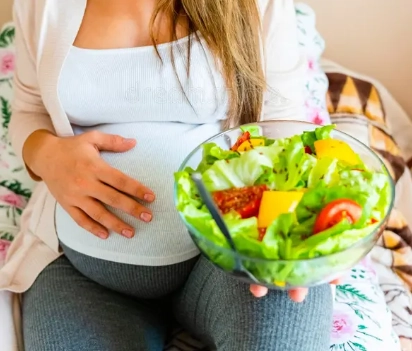
Folate and Folic Acid: Why They're Crucial
Folate is a B vitamin that prevents neural tube defects. You'll hear about folic acid, the synthetic form. Many prenatal vitamins include it, but food sources matter too. Leafy greens, citrus fruits, and beans are great. A client of mine, Sarah, started adding spinach to her smoothies early on, and it made a difference in her energy levels.
Iron: Preventing Anemia
Iron needs jump during pregnancy to support increased blood volume. Low iron can lead to fatigue and complications. Red meat, lentils, and fortified cereals are top sources. Pair them with vitamin C-rich foods like oranges to boost absorption. I often remind women: don't drink tea with iron-rich meals—it hinders uptake.
Calcium and Vitamin D: For Strong Bones
Your baby needs calcium for bone development. Dairy products, almonds, and fortified plant milks work. Vitamin D helps absorb calcium; get some sunlight or eat fatty fish. A common oversight? Skipping vitamin D if you're indoors a lot.
Omega-3 Fatty Acids: Brain Development
DHA, an omega-3, supports fetal brain and eye growth. Fatty fish like salmon are ideal, but limit due to mercury concerns. Algae-based supplements are a safe alternative. I've seen moms swear by adding chia seeds to yogurt for a plant-based boost.
Pro Tip: Don't just pop pills—focus on whole foods first. Prenatal vitamins are backups, not replacements. If you're vegetarian, pay extra attention to B12 and iron sources.
Foods to Eat and Avoid During Pregnancy
This isn't a strict ban list; it's about smart choices. Let's get practical.
Safe Seafood Choices
Fish is great for protein and omega-3s, but mercury is a risk. The FDA recommends 2-3 servings per week of low-mercury options. Here's a quick table:
| Safe Fish (Low Mercury) | Avoid (High Mercury) |
|---|---|
| Salmon (cooked) | Shark |
| Shrimp | Swordfish |
| Pollock | King Mackerel |
| Catfish | Tilefish |
Cook seafood thoroughly to kill bacteria. Sushi? Hold off—raw fish carries listeria risk.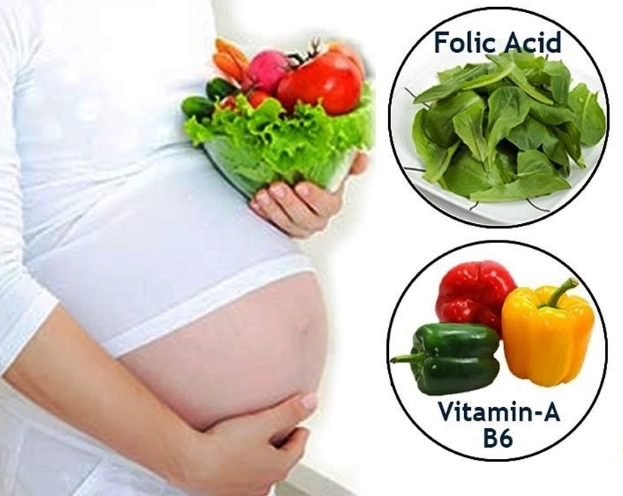
Foods to Steer Clear Of
- Unpasteurized dairy and juices: Risk of listeria, which can cause miscarriage.
- Raw or undercooked eggs: Salmonella danger. Check Caesar dressings or homemade mayo.
- Processed meats like deli ham: If you crave them, heat until steaming hot.
- Excess caffeine: Limit to 200 mg daily—that's about one coffee. Watch out for soda and chocolate.
I recall a friend who avoided all cheese during pregnancy, missing out on calcium. Not all cheese is risky; hard cheeses like cheddar are fine. It's about knowing the details.
Sample Meal Plan for a Pregnant Woman
Let's make this tangible. Here's a day's plan for a second-trimester woman with moderate activity. Adjust portions based on your hunger—listen to your body.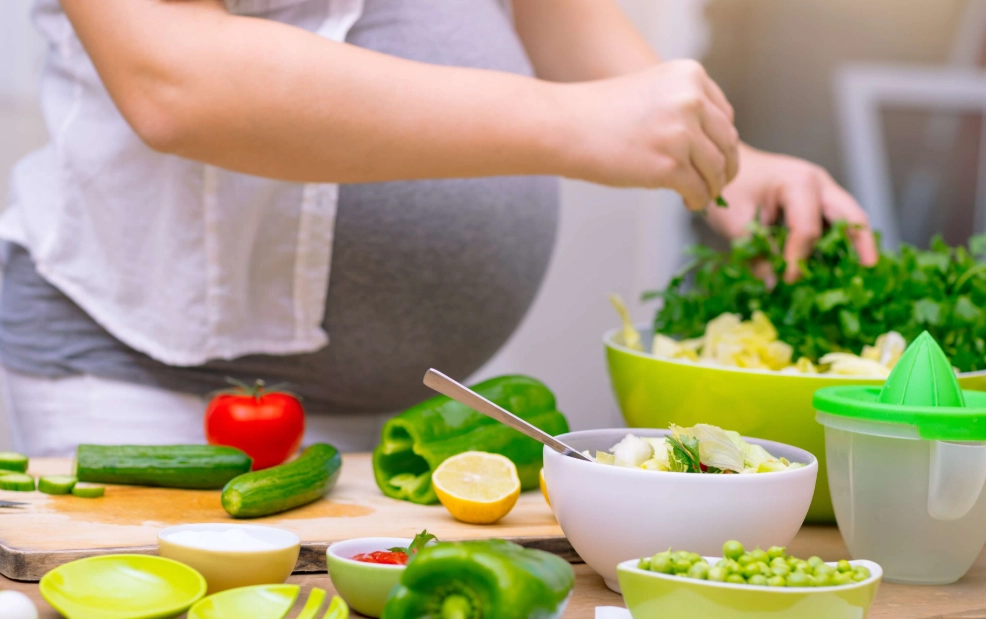
Breakfast: Oatmeal with berries, a handful of almonds, and a glass of fortified orange juice. Why? Fiber, folate, and vitamin C.
Morning Snack: Greek yogurt with honey. Protein and calcium to curb nausea.
Lunch: Grilled chicken salad with spinach, avocado, and quinoa. Drizzle with lemon vinaigrette. Iron from chicken, folate from greens, healthy fats from avocado.
Afternoon Snack: Apple slices with peanut butter. Sustained energy and protein.
Dinner: Baked salmon with sweet potato and steamed broccoli. Omega-3s, beta-carotene, and fiber.
Evening Snack: A small bowl of cottage cheese with pineapple. Casein protein digests slowly, aiding sleep.
Hydration is key—aim for 10 cups of water daily. Herbal teas like ginger can help with morning sickness, but avoid licorice root.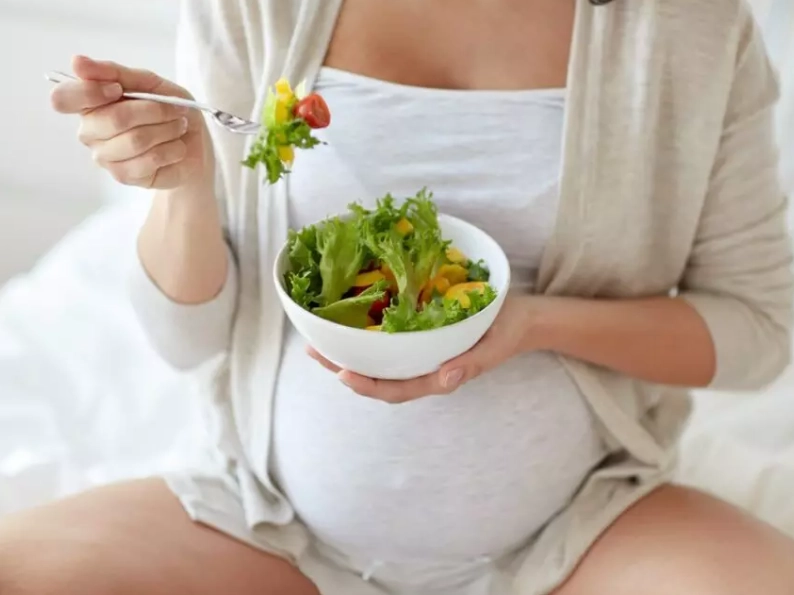
Common Myths and Misconceptions
Pregnancy advice is full of old wives' tales. Let's debunk a few.
Myth 1: "You need to eat for two." Truth: Calorie needs increase only by about 300-500 extra per day in the second and third trimesters. Overeating leads to excessive weight gain, raising risks like gestational diabetes.
Myth 2: "Avoid all fish." Wrong. Fish provides essential nutrients; just pick low-mercury types. The American Pregnancy Association supports this.
Myth 3: "Cravings indicate nutrient deficiencies." Not necessarily. Cravings are often hormonal. If you crave ice cream, it might be calcium, but don't justify junk food binges. Opt for healthier swaps, like frozen yogurt.
I've met women who stressed over every bite, which isn't healthy either. Balance is everything.
FAQ: Your Pregnancy Diet Questions Answered
Remember, every pregnancy is unique. Use this guide as a starting point, and always consult your healthcare provider for tailored advice. Eating well shouldn't be a chore—it's a way to nurture yourself and your baby. Keep it simple, stay informed, and enjoy the journey.
Reader Comments