That wait between ovulation and your expected period can feel like an eternity. You're analyzing every twinge, every mood swing, wondering if this cycle is different. I've been there—staring at a pregnancy test days before it could possibly show anything, willing a second line to appear. The truth is, while our bodies can give us hints very early on, interpreting them is tricky. Symptoms like fatigue or sore breasts are notoriously similar to premenstrual signs. The key is knowing which clues are more unique to pregnancy and, more importantly, understanding the science of timing when it comes to testing.
What You'll Find Inside
The Subtle Body Signs That Might Mean Something
Let's be real. Googling "early pregnancy symptoms" will give you a list a mile long, and half of them are identical to PMS. It's frustrating. After talking to countless women and reading medical deep-dives from sources like the American College of Obstetricians and Gynecologists, I've learned to focus on the signals that are a bit more distinctive, especially when they appear in a combination you don't usually experience.
1. Implantation Bleeding or Spotting
This is the most talked-about early sign, and for good reason. It happens when the fertilized egg attaches to your uterine lining, disrupting some blood vessels. But everyone gets the description wrong.
It's not a "light period." Think much lighter. We're talking about a few spots of pink or brown discharge when you wipe. It might last a few hours, maybe a full day or two, but it shouldn't require more than a panty liner. The timing is also crucial: it typically occurs 6 to 12 days after ovulation. If you see something a couple of days after sex, that's not it.
2. A Shift in Your Cervical Mucus
If you track your cycle, you know your cervical mucus becomes egg-white-like around ovulation. After ovulation, it usually dries up or becomes sticky. In early pregnancy, some women notice a return of that creamy or milky-white discharge that's more abundant. It's caused by rising hormone levels. This one is subtle and easy to miss if you're not a dedicated tracker.
3. Basal Body Temperature Staying High
If you chart your basal body temperature (BBT), you have a powerful data set. After ovulation, your BBT rises due to progesterone. If you're pregnant, that temperature stays elevated past the time it would normally drop, signaling your period is coming. If your high temps persist for more than 16 days post-ovulation, that's a very strong indicator.
A crucial perspective: Isolating one symptom is rarely enough. Premenstrual breast tenderness is common. But if you have breast tenderness combined with unusual fatigue and a weird metallic taste in your mouth, that trio starts to paint a more compelling picture. Pay attention to patterns that are foreign to your typical pre-period experience.
The Testing Timeline: When to Test for an Accurate Result
This is where most of the anxiety and confusion lives. You buy an "Early Result" test that claims it can detect pregnancy 6 days before your missed period. You test on day 5, get a negative, and spiral. Let's break down the biology so you can test smarter, not just earlier.
After implantation, your body starts producing the pregnancy hormone human chorionic gonadotropin (hCG). It starts low and doubles roughly every 48 hours. Home pregnancy tests have a sensitivity level measured in mIU/mL (milli-international units per milliliter). A test with a sensitivity of 10 mIU/mL is more sensitive than one with 25 mIU/mL.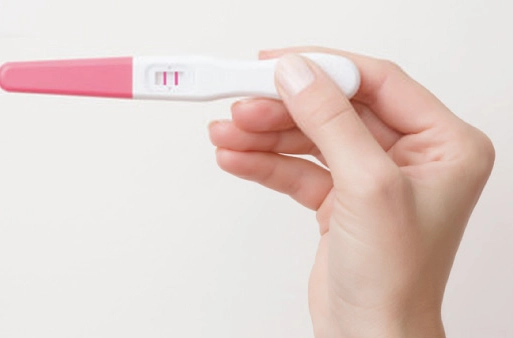
| Days Before Missed Period | Typical hCG Level Range | Chance of Detection* | Practical Advice |
|---|---|---|---|
| 5-6 days | 0-50 mIU/mL | Low ( | High chance of false negative. Testing this early often causes more stress than clarity. |
| 3-4 days | 5-100 mIU/mL | Moderate (~70-80%) | Possible positive if implantation was early. A negative is still not definitive. |
| 1-2 days | 20-200+ mIU/mL | High (>90%) | The best time for early testing. Most women will get an accurate result here. |
| Day of missed period | 50-500+ mIU/mL | Very High (>99%) | The standard, most reliable time to test for a clear answer. |
*Detection chance assumes a test with 25 mIU/mL sensitivity. More sensitive tests (10 mIU/mL) may detect earlier but are also more prone to evaporation lines or false positives from chemical pregnancies.
My friend Sarah made the classic mistake. She used a fancy digital test 5 days early, saw a "Not Pregnant," and was devastated. She almost didn't retest. When her period was two days late, she tried a simple strip test—it was boldly positive. The digital test wasn't sensitive enough for her early, but perfectly normal, hCG levels.
How to Choose and Use an Early Test
- Read the fine print: Look for the sensitivity rating. A "6 days sooner" claim is marketing; the mIU/mL number is science.
- Use first-morning urine: It's the most concentrated, giving you the highest possible hCG level for that day.
- Don't chug water: Diluting your urine before the test can artificially lower hCG concentration, causing a false negative.
- Set a timer: Read the result within the time window specified in the instructions (usually 3-5 minutes). A faint line that appears after 10 minutes is an evaporation line, not a positive.
Common Mistakes and Misconceptions to Avoid
After a decade in women's health spaces, I see the same misunderstandings on repeat. Avoiding these can save you a lot of heartache.
The "I Felt Implantation" Myth: You cannot feel the moment of implantation. It's microscopic. Any cramping around that time (6-12 DPO) is usually due to hormonal shifts or normal uterine activity. Calling it "implantation cramps" is a guess, not a diagnosis.
Symptom Spotting vs. PMS: Progesterone is the culprit behind both early pregnancy and premenstrual symptoms. It causes bloating, mood swings, and breast tenderness. If your "pregnancy symptom" is something you get every month before your period, it's statistically far more likely to be just that.
The Dreaded Evaporation Line: This causes so much unnecessary hope. An evap line is a colorless, grayish line that can appear on a test as it dries, after the valid read time. It's a shadow of the test line's indent. A true positive has color (pink or blue, depending on the test) and appears within the time frame.
Here's a personal low point: I once spent 20 minutes angling a test in different lights, convinced a shadow was a line. It wasn't. I had projected my hope onto a chemical artifact. It's a brutal experience.
Your Next Steps After an Early Sign or Test
So you have a suspicious symptom or even a faint positive line. What now?
If you have a positive test, even a faint one: Congratulations are likely in order. A line with color is almost always a true positive. Schedule an appointment with your healthcare provider. They won't typically see you until you're around 8 weeks along, but making the call makes it real. Start taking a prenatal vitamin with at least 400 mcg of folic acid immediately, if you aren't already.
If you have symptoms but a negative test: Breathe. The most likely reason is that you tested too early. Your body might be giving signals, but the hCG hasn't reached the test's detection threshold yet. Your best move is to wait. Give it 2-3 days. If your period still doesn't arrive, test again with first-morning urine. The wait is agonizing, but it's the only way to get a definitive answer.
If you're experiencing severe pain or heavy bleeding: This goes beyond early pregnancy speculation. Contact a doctor immediately. These could be signs of an ectopic pregnancy or other medical issue that needs prompt attention.
The journey of trying to conceive or wondering if you're pregnant is emotional. The pre-missed period window is a special kind of limbo. Arm yourself with accurate information about early pregnancy signs and test timing. It won't make the wait easy, but it can make you feel more in control and less at the mercy of every Google search result.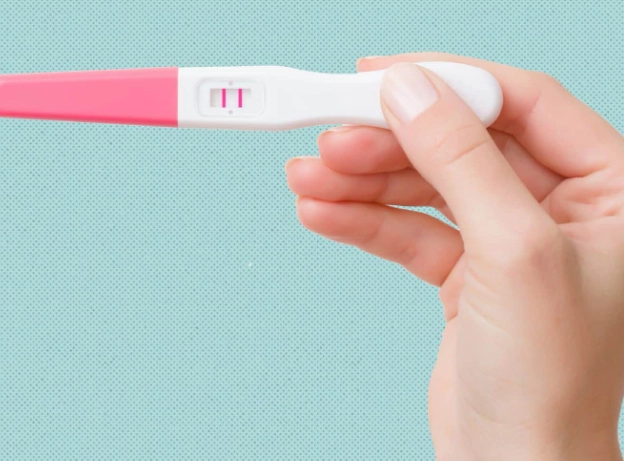
Reader Comments