Your Parenting Compass
- Breaking Down Each of the 5 C's: What They Really Mean Day-to-Day
- How the 5 C's Work Together: A Practical Scenario
- Common Questions About the 5 C's of Parenting
- Comparing Parenting Styles: Where Do the 5 C's Fit?
- The Biggest Challenges and How to Overcome Them
- Getting Started: Your First Week with the 5 C's
Let's be honest. Parenting advice is everywhere. One book says do this, a podcast says do that, your mom has her own opinion, and your neighbor swears by a completely different method. It's enough to make your head spin. You're just trying to raise a decent human without losing your mind in the process.
That's where the 5 C's of parenting come in. It's not some rigid, academic theory. Think of it more like a handy toolkit—a set of five core principles that can guide your decisions when you're in the thick of a tantrum at the supermarket or navigating the treacherous waters of teenage angst. When someone asks "What are the 5 C's of parenting?", they're usually looking for a clearer path through the daily chaos.
So, what are they? The 5 C's of parenting are typically defined as Clarity, Consistency, Communication, Connection, and Care (or sometimes Compassion). Different experts might tweak the last one or use "Consequences" in a specific way, but the heart of the model remains the same. It's about building a foundation of security and trust.
I remember trying to use a super strict, rule-heavy approach with my eldest. It worked... sort of. He followed orders, but there was this constant tension. I felt more like a prison warden than a dad. Learning about the 5 C's was a game-changer. It wasn't about being permissive; it was about being purposeful.
Breaking Down Each of the 5 C's: What They Really Mean Day-to-Day
Let's get practical. Knowing the names is one thing. Understanding what they look like when your kid just poured juice on the rug is another.
Clarity: Cutting Through the Ambiguity
Clarity is about being clear with your expectations, rules, and the reasons behind them. Kids aren't mind-readers. Vague instructions like "be good" or "clean your room" are a recipe for frustration on both sides.
What does clarity look like? It's specificity.
- Instead of "Don't be rough with the dog," try "We pet the dog gently, like this, with an open hand."
- Instead of "Get ready for bed," try "Bedtime is in 30 minutes. That means teeth brushed, pajamas on, and one book chosen by 8:00 PM."
The lack of clarity is a huge source of parent-child conflict. You think you've asked clearly; they have no idea what you actually want. When you define the 5 C's of parenting, clarity is always the starting point because nothing else can function without it.
Consistency: The Bedrock of Security (and Sanity)
This is the tough one. Consistency means following through. It means the rules you set on a tired Tuesday are similar to the rules on a fun Saturday. It means if screen time ends at 5 PM, it ends at 5 PM even when you're desperate for 10 minutes of peace.
Why is it so crucial? Inconsistency breeds anxiety and manipulation. If a child learns that whining works 30% of the time, they will whine 100% of the time to see if this is the lucky moment. Consistency creates predictability. Predictability creates safety. In a safe environment, a child's brain is free to learn and explore, not constantly test boundaries.
I'll admit, I'm terrible at this when I'm exhausted. Letting a rule slide just once feels easier in the moment. But I've learned the hard way that it usually makes the next ten interactions harder. The American Academy of Pediatrics emphasizes predictable routines and responses as key to healthy emotional development. You can see their guidance on building safe and stable environments here.
Communication: It's a Two-Way Street
This goes far beyond giving orders or delivering lectures. Communication in the context of the 5 C's is about dialogue and understanding. It's about listening to understand, not just to reply or correct.
This involves active listening—getting down on their level, making eye contact, and reflecting back what you hear. "It sounds like you're really frustrated because your tower fell down." This kind of validation doesn't mean you agree with a meltdown; it means you acknowledge their feeling, which is the first step in helping them manage it.
Open communication also means explaining the "why" behind rules. "We hold hands in the parking lot because cars can't always see small people, and I want to keep you safe." This builds internal reasoning, not just blind compliance.
As kids get older, communication shifts to more complex topics. The CDC has excellent resources on communicating with your teen, which is arguably its own advanced degree. The core skill—listening without immediate judgment—remains the same.
Connection: The Emotional Fuel Tank
You can have all the clarity, consistency, and communication in the world, but without a strong connection, it feels hollow and transactional. Connection is the positive emotional bond that makes your child want to follow your guidance.
This is built in small moments, not grand gestures. It's the 10 minutes of uninterrupted play on the floor. It's the inside joke. It's putting your phone away during dinner. It's a hug for no reason. Connection is the deposit you make in your relationship's emotional bank account. The conflicts, rules, and disappointments are withdrawals. If you don't have enough deposits, you'll quickly go into overdraft.
When the relationship is strong, discipline becomes guidance. When it's weak, every correction feels like a personal attack. Focusing on connection is what truly answers the deeper need behind "what are the 5 C's of parenting"—it's the secret sauce.
Care (or Compassion): The Heart of the Matter
Some frameworks call this "Consequences" but frame them as logical and caring, not punitive. I prefer "Care" or "Compassion" as the fifth C because it encapsulates the attitude behind everything. It's about responding to your child's needs and mistakes with empathy.
This means separating the child from the behavior. "I love you, and I don't like it when you hit your sister." It means seeing a tantrum not as defiance but as a lack of skill—they literally don't have the brain development or vocabulary to handle big feelings yet. Your job is to teach the skill, not just punish the failure.
Compassionate care also means taking care of yourself. A burned-out, resentful parent cannot be a patient, present parent. Giving yourself grace on a bad day models self-compassion. This isn't a nice-to-have; it's essential for sustainability. Ignoring parental burnout is like ignoring the "check engine" light in your car—eventually, everything breaks down.
How the 5 C's Work Together: A Practical Scenario
Let's see the 5 C's of parenting in action with a classic: Sibling conflict over a toy.
- Clarity: The family rule is clear: "We don't grab toys. We ask for a turn."
- Consistency: This rule is upheld whether you're at home, at the park, or at a friend's house.
- Communication: You get down and say, "I see you both want the red truck. What can we do?" You listen to both sides.
- Connection: You stay calm and present, showing this problem is solvable and you're here to help, not just to yell.
- Care: You guide them toward a solution (setting a timer for turns) with empathy for their frustration, rather than punishing the grabber immediately. You might say, "It's hard to wait. Let's find another cool car you can play with until the timer goes off."
See the difference? It's not just about stopping the fight. It's about teaching conflict resolution, empathy, and patience. That's the power of the framework.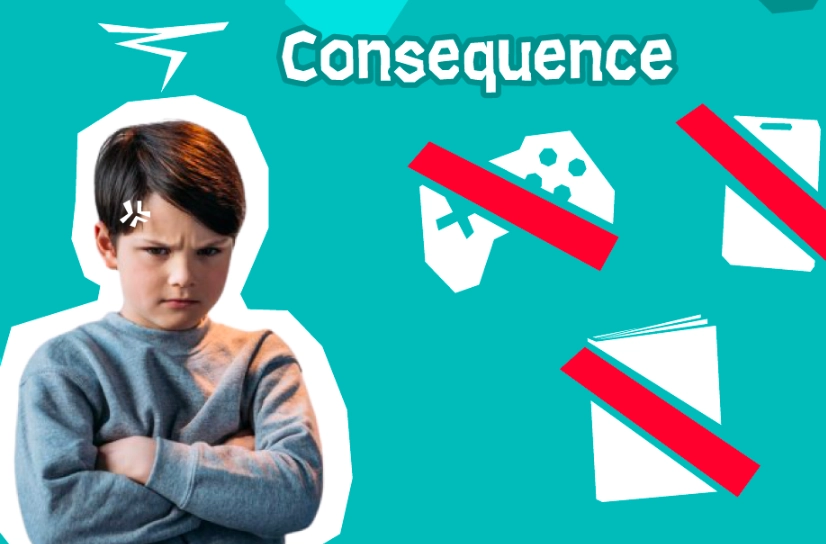
Common Questions About the 5 C's of Parenting
Let's tackle some of the real questions parents have when they dig into this model. These are the things that kept me up at night when I first started.
Isn't this just permissive parenting? Where's the discipline?
This is the biggest misconception. The 5 C's of parenting provide a stronger form of discipline than arbitrary punishment. Discipline comes from the Latin word "disciplina," meaning "instruction, knowledge." The 5 C's are all about teaching. Consistency and clarity are discipline. A logical consequence delivered with compassion (e.g., "If you throw the Legos, they get put away for the rest of the morning because they aren't for throwing") is more effective and instructive than a random time-out or yelled threat.
What if my partner and I aren't consistent with each other?
Welcome to the club. This is incredibly common. The goal isn't perfection; it's alignment. Sit down (without the kids) and talk about your core values and non-negotiable rules. Agree on 3-5 big ones. For the rest, try for a united front in the moment, even if you disagree. Discuss it later privately. Kids are smart—they can understand that "Mommy and Daddy have different ways, but we both love you." What's damaging is undermining each other or having wildly different core safety rules.
I'm a single parent. Is this model too much work?
It can feel that way at first. My advice? Start with one C. Master Connection for a week. Just focus on one extra cuddle, one more story, five more minutes of listening. Then add Clarity to your instructions. Build slowly. The 5 C's of parenting are meant to simplify your thinking in the long run, not add more chores. When in doubt, default to Connection and Compassion. Those two will carry you through almost anything.
How do I apply this to teenagers? It seems for little kids.
The principles scale beautifully. With teens:
- Clarity becomes clear expectations about curfews, responsibilities, and digital use (put it in writing!).
- Consistency is holding the line on those agreements.
- Communication is active listening without immediate problem-solving—just being a sounding board.
- Connection is finding shared interests (a TV show, a sport, cooking a meal) and protecting that time fiercely.
- Care is respecting their growing independence while still being their safe harbor.
The core question of "what are the 5 C's of parenting" remains relevant—it's just the application that matures.
Comparing Parenting Styles: Where Do the 5 C's Fit?
It's helpful to see how this framework relates to the classic parenting style categories defined by psychologists. The 5 C's are the practical execution manual for the "authoritative" style, which is consistently linked to the best outcomes for kids.
| Parenting Style | Key Features | How the 5 C's Align (or Don't) |
|---|---|---|
| Authoritative | High warmth, high structure. Clear rules with explanation. Democratic, responsive. | Direct Alignment. This is the 5 C's in action. Clarity, Consistency, Communication, Connection, and Care are its core tools. |
| Authoritarian | Low warmth, high structure. "Because I said so." Obedience-focused, less responsive. | Partial Alignment. May have Clarity and Consistency, but severely lacks Communication (two-way), Connection, and Compassionate Care. |
| Permissive | High warmth, low structure. Few rules, avoids conflict. More like a friend. | Partial Alignment. Strong on Connection and Care, but critically lacks Clarity and Consistency, leading to confusion and anxiety for the child. |
| Uninvolved/Neglectful | Low warmth, low structure. Minimal interaction, guidance, or responsiveness. | No Alignment. Lacks all five C's. |
Looking at this, you can see why the 5 C's are so effective. They specifically target the weak spots of the less optimal styles, blending the structure kids need with the warmth they crave.
The Biggest Challenges and How to Overcome Them
Let's not sugarcoat it. Living by the 5 C's is hard, especially when you're tired, stressed, or your kid is pushing every single button. Here are the common pitfalls.
Consistency is exhausting. It truly is. The hack is to have fewer, more meaningful rules. Don't have 50 things you need to be consistent about. Pick the big ones related to safety, respect, and responsibility. Let the small stuff go more often. Save your energy for the battles that matter.
You'll mess up. You will. You'll yell. You'll give an unclear instruction. You'll be inconsistent. This is not failure. This is a teaching moment for you and your child. Model repair. Go back and say, "Hey, I'm sorry I yelled earlier. I was frustrated, but I shouldn't have spoken to you like that. What I meant to say was..." This might be the most powerful lesson in the 5 C's of parenting you ever teach.
It feels slower. In the moment, yelling "STOP!" or issuing a harsh punishment seems faster. And it is, for stopping the behavior right now. But the 5 C's approach is faster in the long run because you're teaching the skill. You're investing time upfront to save a thousand repetitions later. It's the difference between handing someone a fish and teaching them to fish.
Getting Started: Your First Week with the 5 C's
Don't try to overhaul everything at once. That's a recipe for feeling overwhelmed and giving up. Pick one area to focus on for a week.
Week 1: The Clarity & Communication Challenge. For one week, focus solely on making your instructions crystal clear and then listening to your child's response. Before you speak, pause. Ask yourself, "Is this clear and specific?" After you speak, get down and listen to their reply or reaction for 10 full seconds before you say anything else. Just observe this change.
Week 2: The Connection Booster. Schedule 10 minutes of uninterrupted, one-on-one time with each child, every day. No phones, no agenda. Let them lead the play or conversation. This is non-negotiable time. See how the overall mood shifts.
Week 3: Consistency on One Rule. Pick one rule that causes daily friction (maybe morning routine or screen time). Write it down clearly. For one week, be a rock of consistency about it. No exceptions. Notice what happens after day 3 or 4.
By breaking it down, the question of "what are the 5 C's of parenting" moves from theory to lived, manageable experience.
So, there you have it. The 5 C's of parenting aren't a magic spell. They won't make every day easy. But they will give you a compass for the hard days. They'll help you move from reactive surviving to purposeful guiding. You'll build a relationship with your kids that's based on mutual respect and deep trust, not fear and power struggles. And honestly, isn't that the whole point?
Start with one C. See how it feels. The rest will follow.
Reader Comments