You just got a positive test, and now your mind is racing. What should you feel in these first weeks? Let's cut to the chase: most first trimester symptoms are normal, even the uncomfortable ones. But knowing what's healthy versus what's a red flag can save you a lot of anxiety. I've worked with hundreds of expectant parents, and the confusion around early signs is real. This guide will walk you through it all, based on medical guidelines and real-life experiences.
What You'll Find in This Guide
Common Healthy Pregnancy Symptoms in the First Trimester
The first trimester (weeks 1-12) is a hormonal rollercoaster. Your body is building a placenta and supporting rapid fetal growth. Symptoms often start around week 6 and peak by week 9. Here's what to expect, broken down.
Nausea and Morning Sickness
Calling it "morning" sickness is a misnomer—it can hit any time. About 70-80% of pregnant people experience this, according to the American College of Obstetricians and Gynecologists. It's thought to be linked to rising hCG and estrogen levels. For most, it's mild to moderate.
I remember a client, Sarah, who felt nauseous only in the evenings. She thought it was strange, but her doctor confirmed it's normal. The key is management: small, frequent meals, avoiding triggers like strong smells, and staying hydrated.
Fatigue and Tiredness
This isn't just regular tiredness. It's a deep, bone-weary exhaustion that makes you want to nap at 2 PM. Progesterone is the culprit here, relaxing muscles and lowering blood pressure. It's your body's way of saying, "Slow down."
Don't fight it. Rest when you can. I've seen many try to power through, only to crash harder. Listen to your body.
Breast Changes
Tenderness, swelling, and darkening areoles are common early on. Your breasts are prepping for milk production. It can start as early as week 4. Wearing a supportive bra, even at night, can help.
Frequent Urination
Thanks to increased blood flow and pressure on your bladder from the growing uterus, you'll be visiting the bathroom more often. It often starts around week 6. Annoying, but normal.
Food Aversions and Cravings
Suddenly, your favorite coffee smells revolting? Or you're craving pickles at midnight? Hormonal shifts affect your sense of smell and taste. It's usually harmless unless it leads to poor nutrition.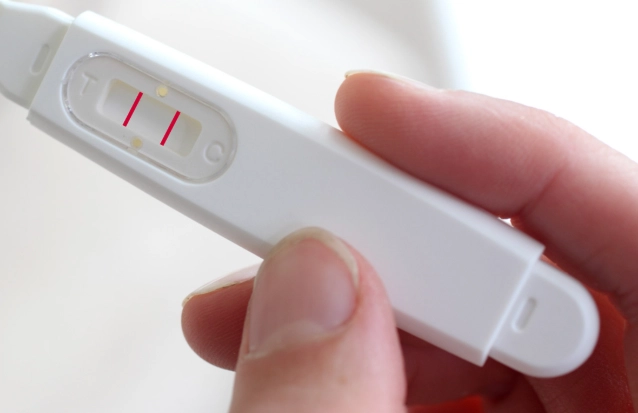
Here's a quick table to summarize these healthy symptoms:
| Symptom | Typical Onset | Why It Happens | Quick Management Tip |
|---|---|---|---|
| Nausea | Weeks 6-9 | Rising hCG hormones | Eat bland snacks before getting out of bed |
| Fatigue | Weeks 4-12 | High progesterone levels | Schedule short naps, delegate tasks |
| Breast Tenderness | Weeks 4-6 | Hormonal changes for milk ducts | Use a soft, supportive bra |
| Frequent Urination | Weeks 6-8 | Increased blood flow, uterine pressure | Limit fluids before bed, but stay hydrated |
| Food Aversions | Weeks 5-10 | Enhanced sense of smell | Keep windows open while cooking |
Other symptoms like mild cramping (similar to period cramps), bloating, and mood swings are also part of the package. They're usually intermittent.
When Symptoms Might Signal a Problem
Not everything is normal. Some signs warrant a call to your healthcare provider. I can't stress this enough: trust your instincts. If something feels off, don't wait.
Severe nausea and vomiting: If you're vomiting multiple times a day and can't keep liquids down, it could be hyperemesis gravidarum. This leads to dehydration and weight loss. A friend of mine ignored it, ended up in the ER for IV fluids. Don't be like her.
Heavy bleeding: Spotting can be normal, but heavy bleeding with clots or tissue, especially with cramping, might indicate miscarriage or ectopic pregnancy. Contact your doctor immediately.
Sharp abdominal pain: Mild cramping is okay, but severe, one-sided pain could be an ectopic pregnancy. This is a medical emergency.
Fever over 100.4°F (38°C): Could signal an infection that might affect the pregnancy.
Sudden loss of symptoms: If all symptoms disappear overnight, especially after they've been strong, it might be a sign of pregnancy loss. But remember, some people have minimal symptoms throughout—context matters.
Bottom line: When in doubt, check it out. Early prenatal care is crucial. The Centers for Disease Control and Prevention (CDC) recommends scheduling your first visit within the first 8 weeks.
Pro Tips for Managing Early Pregnancy Discomfort
Based on my experience, here are some less-obvious strategies that actually work. These go beyond the usual "eat ginger" advice.
For nausea: Try acupressure wristbands. They stimulate the P6 point and can reduce queasiness. Also, avoid brushing your teeth right after eating—the gag reflex is heightened. Wait 30 minutes.
For fatigue: Break tasks into tiny chunks. Instead of "clean the house," aim for "wipe the kitchen counter." Celebrate small wins. And consider gentle exercise like walking—it boosts energy more than resting all day, counterintuitively.
For breast tenderness: Apply warm or cold compresses. Some find cold packs reduce swelling better than heat.
Nutrition hacks: If smells bother you, eat cold foods like salads or sandwiches—they have less aroma. For cravings, allow yourself treats in moderation. Denial often backfires.
I had a client who struggled with aversions to all vegetables. We worked on blending spinach into smoothies with strong fruits like berries. It worked.
Mental health: The emotional ups and downs are real. Talk to someone—partner, friend, or a therapist. Joining a first trimester support group online can help normalize your experience.
Your Top Questions Answered
Navigating the first trimester is about balance—acknowledging normal changes while staying vigilant. Every pregnancy is unique. Use this guide as a roadmap, but always partner with your healthcare team for personalized advice. For more authoritative information, refer to resources like the Mayo Clinic's pregnancy week-by-week guide or the American Pregnancy Association.
Reader Comments