Your First Trimester Map
Let's be real. Finding out you're pregnant is a whirlwind. One minute you're staring at a little plus sign, heart racing, and the next you're plunged into a world of confusing advice, strange symptoms, and a million questions. What's actually happening inside you right now? Is what I'm feeling normal? What should I be doing—or avoiding?
I remember my own first trimester. I spent hours googling things like "healthy pregnancy first trimester week by week," desperate for a clear, friendly map through the unknown. I found a lot of clinical, dry information and not much that felt like it was written by someone who'd been there. That's what this is for. Think of this as your personal, week-by-week companion for these first crucial thirteen weeks. We'll talk about your baby's incredible development, the wild changes in your own body, and practical, no-nonsense tips to navigate it all. No scare tactics, just straight talk.
The First Trimester at a Glance: It's weeks 1 through 13 of your pregnancy (yes, it starts from the first day of your last period, not conception—confusing, I know!). This is when every major organ and system in your baby's body forms. It's a period of massive, rapid change for both of you, and it's perfectly normal to feel a mix of awe, anxiety, and exhaustion.
Before We Dive In: The Big Picture Stuff
Okay, before we get into the weekly nitty-gritty, let's lay some groundwork. A healthy pregnancy first trimester week by week journey isn't just about tracking size; it's about laying the best foundation possible.
Your first call should be to schedule an appointment with your healthcare provider (an OB-GYN or a midwife). They'll confirm the pregnancy, estimate your due date, and start your prenatal care. This is also the time to start taking a prenatal vitamin with at least 400 micrograms of folic acid. This single habit is one of the most important things you can do to help prevent neural tube defects in your baby's developing brain and spine. Don't stress if you haven't started yet—start today.
Then there's the lifestyle stuff. You've probably heard the big ones: quit smoking and avoid alcohol completely. Secondhand smoke is a no-go too. I'll be honest, cutting out my evening glass of wine was harder than I expected, but finding a fancy alcohol-free alternative helped. You'll also want to chat with your doctor about any medications or supplements you're currently taking. Some common over-the-counter drugs might need to be swapped for pregnancy-safe options.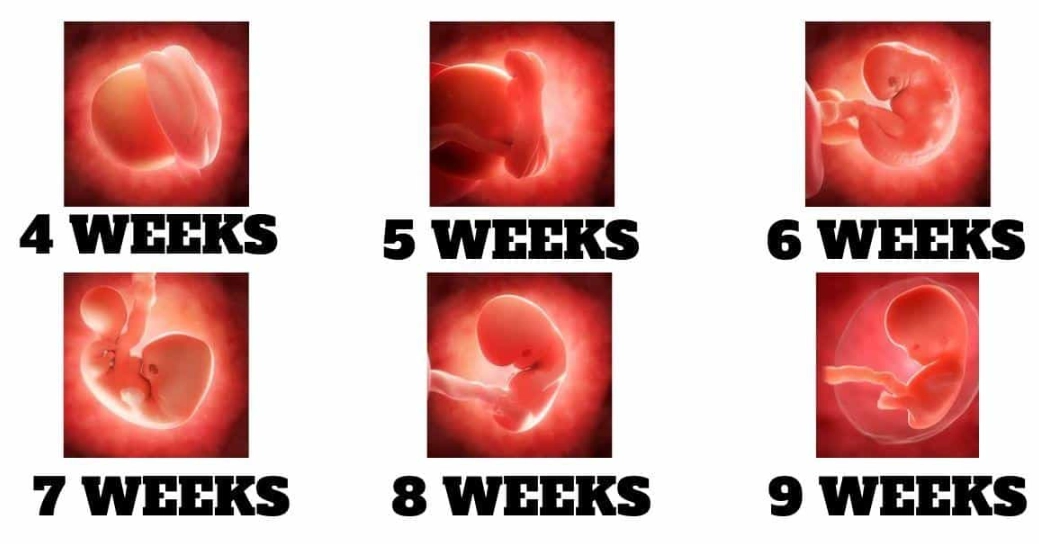
Pro-Tip from a Veteran: Buy your prenatal vitamins in bulk or set a monthly subscription. Morning sickness can make you forgetful, and running out is the last thing you need. If the pills make you queasy, try taking them right before bed with a small snack.
Your Healthy Pregnancy First Trimester: Week-by-Week Breakdown
Here we go. Let's walk through each week. Remember, pregnancy dating can be a bit fuzzy, so if your app says you're at 7 weeks but your doctor says 8, don't panic. It's all an estimate.
Weeks 1-4: The Silent Beginning
Fun fact: For the first two weeks of this count, you aren't even pregnant yet. Week 1 is the first day of your last period. Ovulation and fertilization happen around week 2 or 3. By week 4, that tiny cluster of cells (now called a blastocyst) is burrowing into your uterine lining—that's implantation. You might notice some light spotting, which can be mistaken for a period.
What's happening? The amniotic sac and placenta are starting to form. The foundation for your baby's nervous system is laid. At the end of week 4, a home pregnancy test will likely show positive because the placenta starts producing the pregnancy hormone hCG.
How you might feel: Probably nothing yet. Or maybe some very mild, PMS-like symptoms. Bloating, tender breasts, fatigue. It's a weird waiting game.
My to-do list for weeks 1-4: Call the doctor, start that prenatal vitamin, and try to eat balanced meals. Don't bother "eating for two"—your calorie needs are virtually the same right now. Focus on quality.
Weeks 5-8: Hello, Symptoms!
This is often when reality hits. Your baby is growing at a mind-blowing pace. We're talking about the heart starting to beat (around week 6!), and the early structures of the brain, spinal cord, eyes, ears, and little limb buds forming. By week 8, it looks less like a tadpole and more like a tiny human, now called an embryo.
How you might feel: Buckle up. This is peak time for early pregnancy symptoms. We're talking nausea ("morning" sickness is a liar—it can strike any time), intense fatigue (like "can't-keep-my-eyes-open-at-3 PM" tired), sore breasts, frequent urination, and food aversions or cravings. The surge in hormones is real.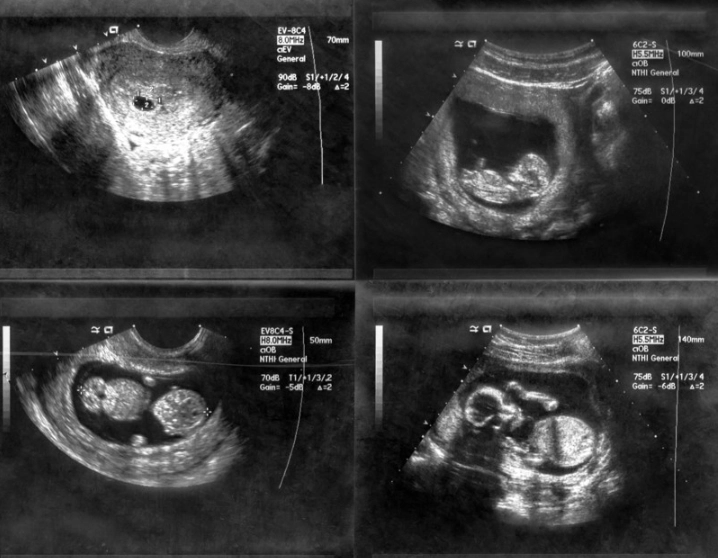
When to Call Your Doctor: Severe nausea and vomiting where you can't keep down any food or liquids, severe abdominal pain, or heavy bleeding. Don't hesitate. It's always better to check.
Managing the madness: For nausea, try small, frequent meals. Bland carbs like crackers, toast, or rice were my best friends. Ginger tea or candies help some people. Stay hydrated, even if it's just sipping water all day. For fatigue, listen to your body. Nap when you can. I had to let go of my usual productivity guilt and just surrender to the sofa some days. It's okay.
This period is core to a healthy pregnancy first trimester week by week plan because your baby is so vulnerable. Avoiding harmful substances is critical.
Weeks 9-13: Turning a Corner
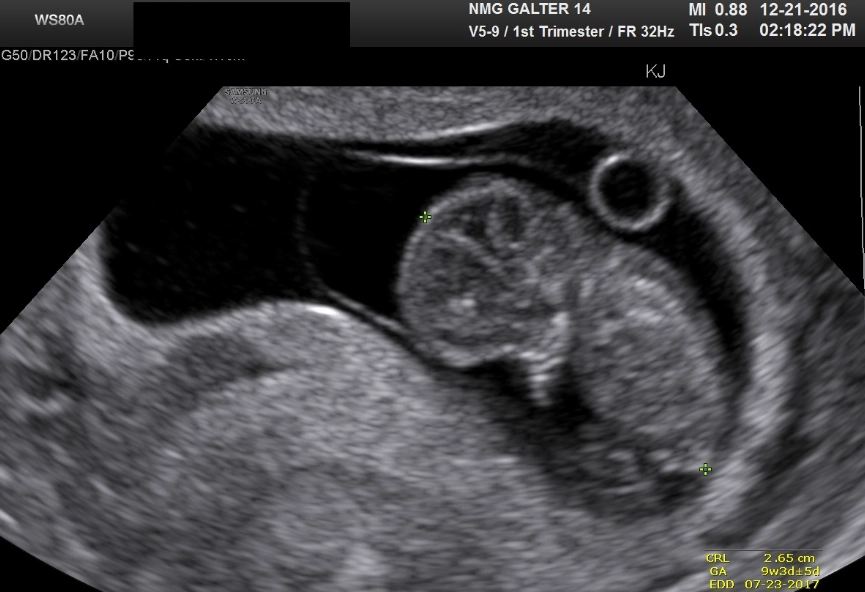
By week 9, your baby graduates from embryo to fetus. The tail is gone. Toes and fingers are separating. All essential organs are present (though they'll keep maturing for months). By week 12, the kidneys start making urine, and the bone marrow is making white blood cells. Your baby might even be sucking its thumb!
How you might feel: For many, the worst of the nausea starts to ease up around weeks 12-14. The fatigue might still be there. You might notice your waist thickening and your regular clothes getting snug. Some women start to get a little energy boost toward the end of the first trimester.
The big milestone: Your first-trimester screening (often between weeks 11-13) might include a nuchal translucency ultrasound and blood tests. This checks for certain chromosomal conditions. It can be an anxious wait for results, but also incredibly special—you might get to see your baby bouncing around!
My to-do list: Start thinking about comfortable clothes. Maternity jeans are a revelation. Begin gently moisturizing your belly and breasts if you want to (it can't hurt with the itching as skin stretches). Start a simple conversation with your partner about how you're both feeling—it's a big transition for them too.
You've almost made it through the first leg of the marathon.
Beyond the Baby: Your Body and Mind
A truly healthy pregnancy first trimester week by week approach isn't just fetal growth charts. It's about you. Let's talk about the other stuff nobody warns you about.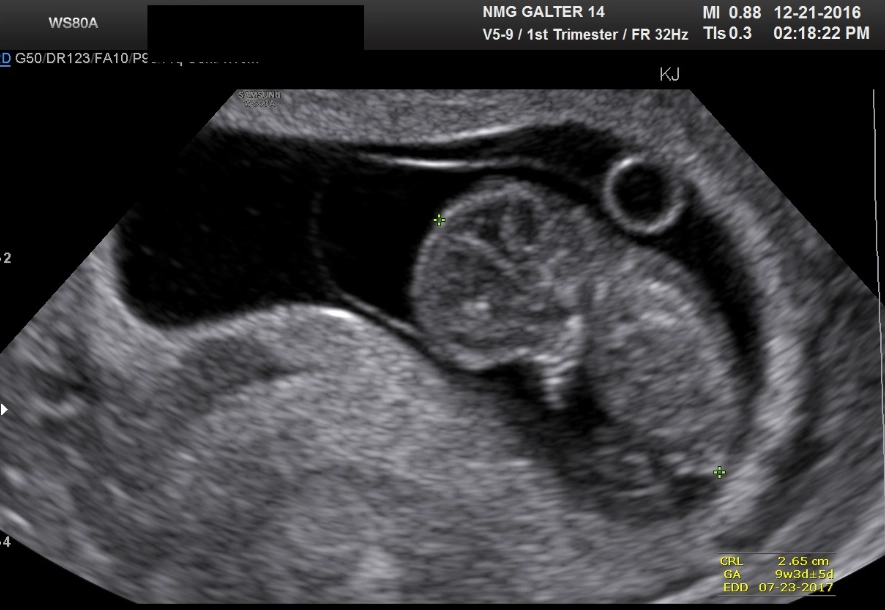
Nutrition: Eating Well When You Feel Terrible
I know, the idea of a perfectly balanced plate might make you gag. The goal here is survival and getting key nutrients in where you can. Here’s a cheat sheet for what to focus on:
| Nutrient | Why It's Important | Pregnancy-Friendly Sources |
|---|---|---|
| Folic Acid/Folate | Prevents neural tube defects | Prenatal vitamin, leafy greens, lentils, fortified cereals |
| Iron | Supports increased blood volume, prevents anemia | Lean red meat, spinach, beans, iron-fortified cereal |
| Calcium | Builds baby's bones & teeth | Yogurt, milk, cheese, fortified plant milks, kale |
| DHA (an Omega-3) | Supports baby's brain & eye development | Low-mercury fish (salmon, sardines), algae-based supplements |
| Protein | Building blocks for growth | Lean meat, poultry, eggs, Greek yogurt, tofu, nuts |
If all you can stomach is plain pasta for three days, don't beat yourself up. Just take your vitamin and try to add a little protein or veg when you feel able. Hydration is more important than ever, especially if you're vomiting.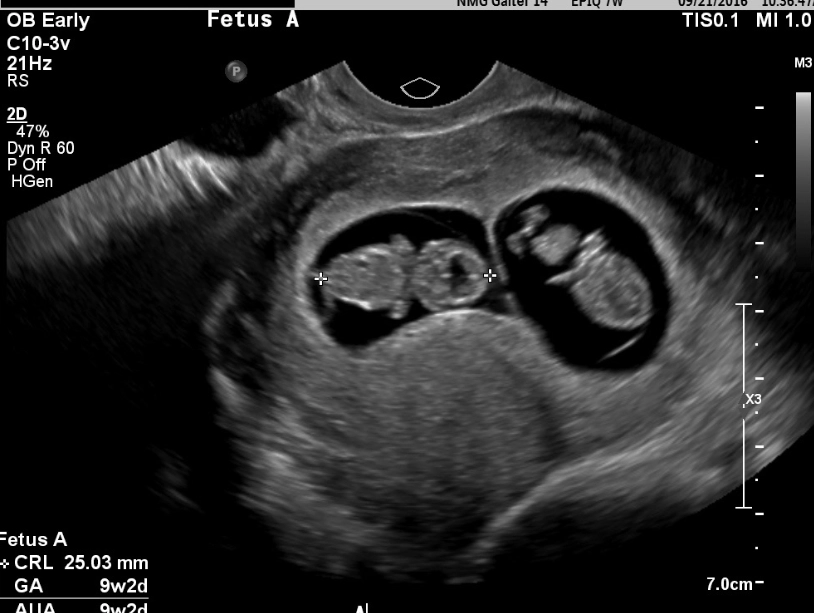
The Emotional Rollercoaster
Nobody told me I'd feel so anxious. Or so ambivalent sometimes. You can be overjoyed and terrified in the same hour. Hormones are partly to blame, but so is the sheer magnitude of it all. It's a major life change!
If you're struggling, talk to someone—your partner, a friend, your doctor. Prenatal anxiety is very common and treatable. Simple things like a short walk, prenatal yoga videos on YouTube, or just venting in a journal can help. Give yourself grace. You're growing a human.
Common First Trimester Questions (The Stuff You're Secretly Googling)
Putting It All Together: Your First Trimester Action Plan
Feeling overwhelmed? Let's simplify. Here's a checklist to keep you on track for a healthy pregnancy first trimester week by week experience.
- Medical: Choose a provider, schedule your first prenatal visit, take your prenatal vitamin daily, discuss medications with your doctor.
- Nutrition: Focus on folate-rich foods, stay hydrated, eat small meals to combat nausea, avoid the high-risk foods.
- Symptom Management: Have crackers by your bed, explore ginger remedies, get extra rest, wear comfortable bras.
- Lifestyle: Eliminate alcohol and smoking, modify exercise as needed, start moisturizing your skin, begin thinking about maternity wear.
- Mental Health: Talk about your feelings, practice gentle movement, connect with other expectant parents (online or in-person), be kind to yourself.
For incredibly detailed, evidence-based information on every stage of pregnancy, I always cross-reference with trusted sources like the American College of Obstetricians and Gynecologists (ACOG) or the March of Dimes. It's reassuring to know the advice you're getting is solid.
The first trimester is a journey of profound transformation, often hidden from the outside world. It's okay if it's not all glowing and joyful. It's hard work. By understanding what's happening in your healthy pregnancy first trimester week by week, you can advocate for yourself, make informed choices, and breathe a little easier. You've got this.
One last piece of advice? Take a picture of your belly now, even if it just looks like you had a big lunch. You'll want to remember this beginning. Now go hydrate, and maybe take a nap. You're doing great.
Reader Comments