Your Quick Guide
- How Does a Home Pregnancy Test Actually Work?
- Is a Positive Pregnancy Test Always Correct? Understanding Accuracy
- Your Immediate Action Plan After a Positive Test
- What Your Doctor Will Do After Confirmation
- Red Flags: When to Call a Doctor Immediately
- Answers to the Questions You're Probably Googling
- Navigating the Emotional Rollercoaster
- Final Thoughts: From Positive Test to Prenatal Care
So you just saw it. That second line, the plus sign, or maybe the clear, undeniable word "pregnant" on the little digital screen. Your heart might be racing, your mind swirling with a hundred questions. A urine pregnancy test positive result is a moment that changes everything, but what happens now? Is it always right? What do you actually do?
Let's talk it through. I remember when my friend Sarah called me, her voice a mix of excitement and sheer panic. "I think it's positive... but what if it's wrong?" she said. That's the thing—these little sticks hold so much power, but the instructions don't come with a manual for your emotions or the next 48 hours.
This guide is that manual. We're going to walk through exactly what a positive home test means, strip away the confusion, and lay out your clear, practical next steps. No medical jargon, just straight talk.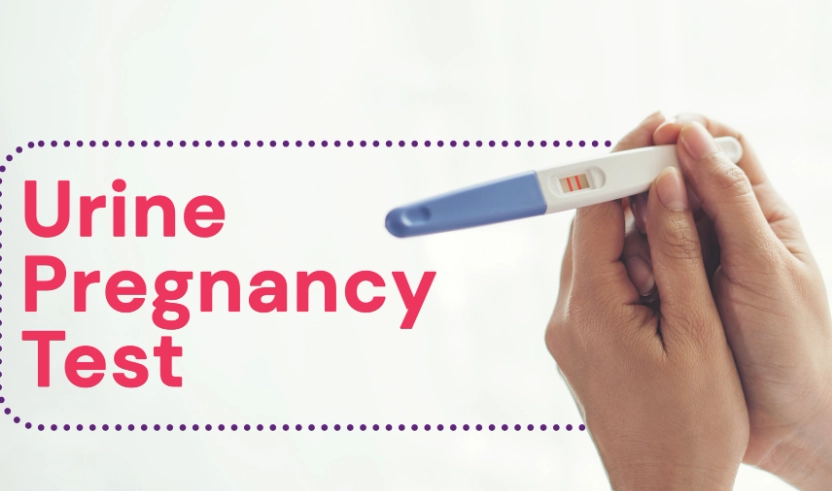
How Does a Home Pregnancy Test Actually Work?
It feels like magic, but it's pretty clever science. The test strip contains antibodies that are specifically looking for hCG. When your urine passes over the strip, if hCG is present, it binds to these antibodies and triggers a chemical reaction that creates the colored line.
The control line is just there to prove the test worked. The test line (or the result on a digital screen) is what reacts to hCG.
Timing is everything with these tests. Test too early, and there might not be enough hCG to detect, giving you a false negative. But once that hormone level is high enough, the test catches it. Most brands claim "early detection" a few days before your missed period, but for the most reliable urine pregnancy test positive reading, testing on or after the day your period is due is your best bet.
Is a Positive Pregnancy Test Always Correct? Understanding Accuracy
This is the question that keeps people staring at the stick under different lights. Home pregnancy tests are incredibly accurate when used correctly—often over 99% on the day of your missed period. But "accurate" has two sides: true positives and false positives.
Let's break down the main reasons for a false positive:
- Chemical Pregnancy: This is the most common reason for what feels like a false positive. A chemical pregnancy is a very early miscarriage that happens shortly after implantation. The egg implants, your body starts producing hCG (enough for a positive pregnancy test), but then the pregnancy stops developing. Your period may arrive slightly late and be a bit heavier. It's incredibly common—more than people talk about—and doesn't usually mean there's a problem with future pregnancies.
- Certain Medications: Fertility drugs containing hCG (like Pregnyl) can definitely cause a positive. Some other medications like antipsychotics, anti-anxiety drugs, or even diuretics have been rarely linked to false positives, but it's less common. Always check your medication leaflet.
- Evaporation Lines: This one's a classic. You check the test after the recommended time window (like 10 minutes later). A faint, colorless line where the positive line should be might appear from evaporated urine. It's not a true positive. This is why you must read the result within the timeframe in the instructions!
- Medical Conditions: Very rarely, conditions like ovarian cysts, certain cancers, or kidney disease that causes blood or protein in urine can interfere.
- Faulty or Expired Test: Always check the expiry date. A damaged or expired test can give unreliable results.
So, if you get a urine pregnancy test positive result, the odds are overwhelmingly in favor of it being a true positive. But confirming it is the crucial next step.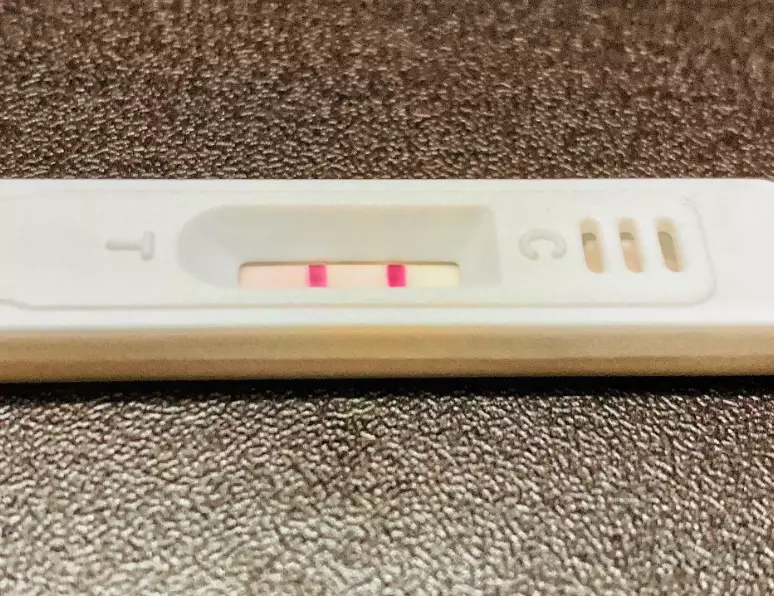
Your Immediate Action Plan After a Positive Test
Okay, you have the result. Breathe. Here’s a simple, step-by-step plan for the next couple of days.
Step 1: Don't Panic, Just Pause
Whatever you're feeling is valid. Give yourself a moment to process. You don't need to have everything figured out right this second.
Step 2: Consider a Second Test
If you tested very early, take another test in 2-3 days, ideally with your first-morning urine (which is more concentrated). If the first line was faint, this second test should show a darker, clearer line as your hCG levels rise. This can help confirm the positive urine pregnancy test and ease worries about a chemical pregnancy.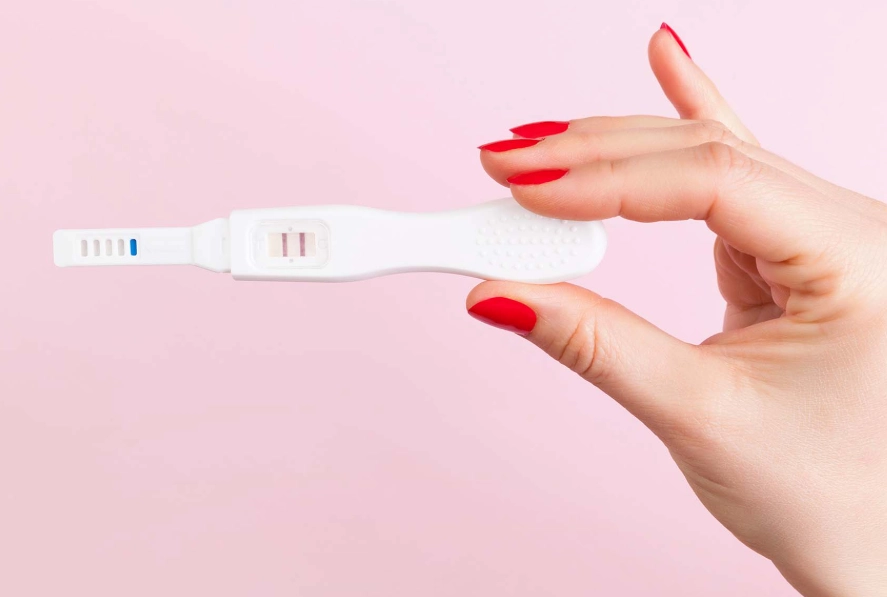
Step 3: Start Taking Care of Yourself (As If You Are Pregnant)
Once you see that positive, it's time to act pregnant until you know otherwise. That means:
- Start taking a prenatal vitamin with at least 400 mcg of folic acid immediately. This is critical for early neural tube development.
- Stop drinking alcohol, smoking, and using recreational drugs.
- Limit caffeine (under 200mg per day is the general guideline).
- Review any medications you're on with a doctor, but don't stop prescribed meds without talking to them first.
- Just eat as healthily as you can and stay hydrated.
Step 4: Schedule a Doctor's Appointment
This is the non-negotiable step. A home test is a great indicator, but medical confirmation is key. Call your OB-GYN, family doctor, or a local clinic.
They will likely do one of two things:
- Confirm with a Clinical Urine Test: Basically, the same test you took, but in the office.
- Order a Blood Test: This is the gold standard. A quantitative hCG blood test measures the exact amount of hCG in your blood. It's more sensitive and can detect pregnancy earlier. They might do two tests 48 hours apart to see if the level is rising appropriately, which is a good sign of a progressing pregnancy.
This appointment isn't just for confirmation. It's to start your prenatal care journey, get personalized advice, and have your questions answered by a professional.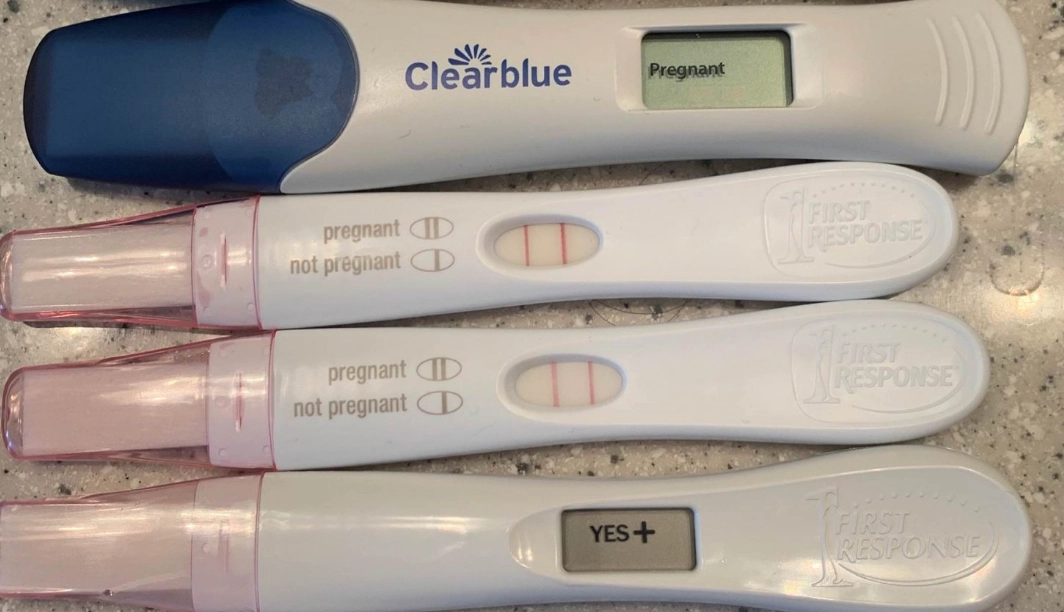
What Your Doctor Will Do After Confirmation
So you've had your appointment, and the positive pregnancy test is medically confirmed. What's the roadmap? It varies, but here's a typical timeline:
| Stage | Typical Timing | What Happens |
|---|---|---|
| Initial Confirmation & Dating | Weeks 6-8 | Medical history review, physical exam, estimated due date calculation (based on your last menstrual period), and often a first prenatal blood panel. |
| First Ultrasound | Weeks 8-10 | This "dating" or "viability" scan confirms the pregnancy is in the uterus (ruling out ectopic pregnancy), checks for a heartbeat, and gives a more accurate due date. Seeing that little flutter is a huge moment for most people. |
| First Trimester Screening | Weeks 10-13 | Optional blood tests and a nuchal translucency ultrasound to screen for certain chromosomal conditions. |
| Regular Prenatal Visits | Monthly until ~28 weeks | Checking your weight, blood pressure, baby's heart rate, and answering your endless questions! |
I think the wait between that positive test and the first ultrasound can be the longest few weeks ever. You have this huge news, but not much to "do" yet except wonder. Hang in there.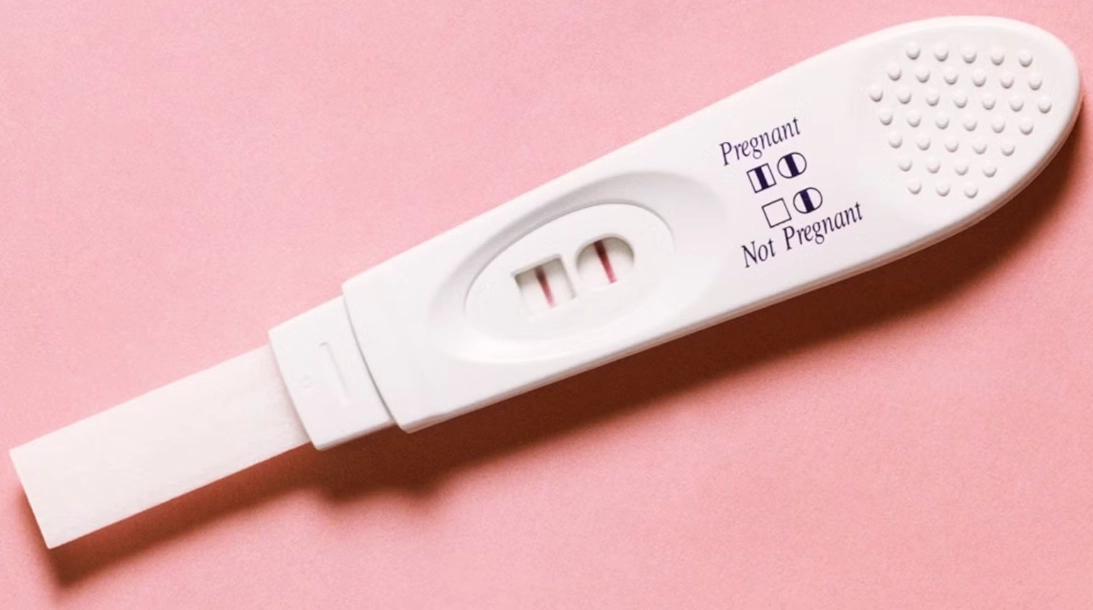
Red Flags: When to Call a Doctor Immediately
While most early pregnancies progress fine, some symptoms need urgent attention. Don't wait for your scheduled appointment if you experience:
- Severe abdominal pain or cramping, especially if it's one-sided.
- Heavy vaginal bleeding (soaking a pad in an hour).
- Dizziness, fainting, or shoulder pain.
- Severe nausea and vomiting where you can't keep any fluids down.
These could be signs of an ectopic pregnancy (where the embryo implants outside the uterus, usually in a fallopian tube) or a miscarriage. An ectopic pregnancy is a medical emergency. Trust your gut—if something feels very wrong, get checked out.
Answers to the Questions You're Probably Googling
Let's tackle some of those specific, nagging questions that pop up after a urine pregnancy test positive.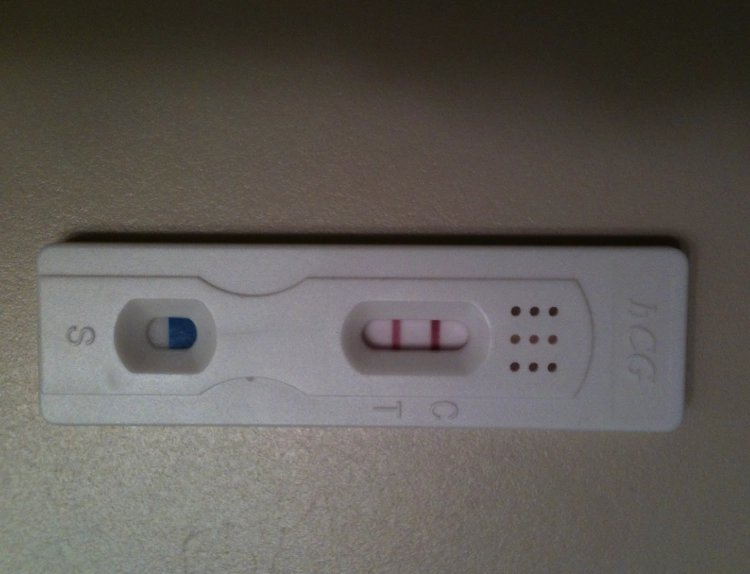
How faint is too faint for a positive line?
Any distinct line, even a super faint one, in the correct location and within the reading time, is considered positive. It just means your hCG level is low but detectable. A faint positive is still a positive. Test again in 48 hours to see it darken.
I have a positive test but got my period. What's happening?
This is almost certainly a chemical pregnancy, as we discussed earlier. The test detected early hCG, but the pregnancy did not continue. It's a form of very early miscarriage. It's common, and while it can be emotionally difficult, it doesn't typically impact future fertility. If this happens repeatedly, talk to your doctor.
Can medications or medical conditions cause a true false positive?
True false positives (where the test shows hCG but there is no pregnancy and no recent pregnancy event) are rare. The most likely culprits are hCG-containing fertility drugs or, very rarely, certain medical conditions. The U.S. Food and Drug Administration (FDA) regulates these tests and provides consumer information on their use and limitations. For a deep dive into test accuracy and potential interferences, the American College of Obstetricians and Gynecologists (ACOG) has detailed resources for patients on understanding pregnancy tests.
What's the difference between a urine test and a blood test?
They both detect hCG, but differently. The urine test gives a simple yes/no (or a line intensity). The quantitative blood test gives a number. That number allows doctors to track the rise, which should roughly double every 48-72 hours in early pregnancy. A slow rise or a drop can indicate a problem. The blood test is also far more sensitive and can detect pregnancy about a week earlier.
When will I start feeling symptoms?
It's a total lottery. Some people feel exhaustion and nausea almost immediately. Others feel nothing for weeks. Common early signs include: tender/swollen breasts, fatigue, nausea (with or without vomiting), increased urination, food aversions or cravings, and mood swings. The absence of symptoms does NOT mean something is wrong.
Navigating the Emotional Rollercoaster
Let's be real. That positive urine pregnancy test can trigger joy, fear, anxiety, shock, or all of the above at once. If the pregnancy was planned and longed-for, the worry about something going wrong can be intense. If it was unexpected, you might be grappling with a major life decision.
Be kind to yourself.
Talk to someone you trust—your partner, a close friend, a family member. It's okay not to feel purely happy or purely scared. It's a complex time. If anxiety is overwhelming you, mention it to your doctor. Prenatal anxiety is real and common, and there are ways to manage it.
If you are considering all your options, know that you have time to think. Seek non-judgmental counseling. Organizations like Planned Parenthood provide comprehensive information on all pregnancy options—parenting, adoption, and abortion—so you can make an informed decision for yourself.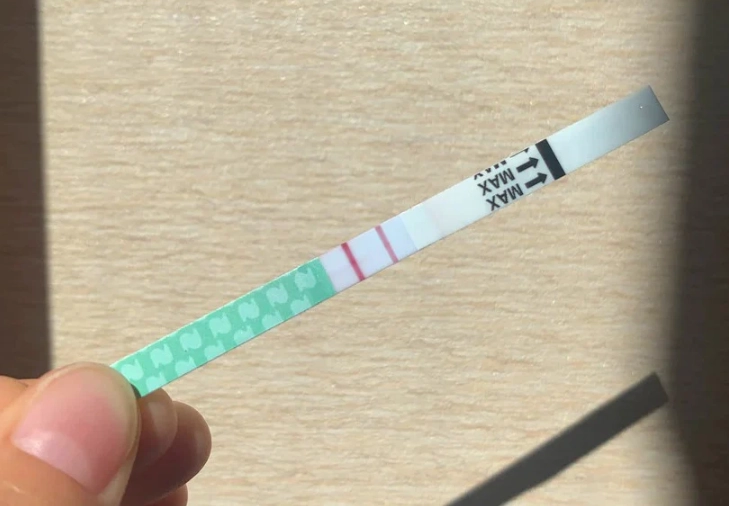
Final Thoughts: From Positive Test to Prenatal Care
That little stick started the journey. A urine pregnancy test positive is the first piece of data in a much bigger story. Your job now is to move from home testing to professional healthcare.
Get that confirmation. Start those prenatal vitamins. Make that first appointment. Take it one step at a time.
Every pregnancy is different. Try to avoid comparing your experience (your symptoms, your test line darkness, your ultrasound timing) to others you read about online. Your journey is yours alone. Arm yourself with good information from trusted sources like the Centers for Disease Control and Prevention (CDC), which has extensive guidelines on prenatal care, and your own medical team.
Remember, you've got this. However you're feeling right now, take a deep breath. You've already taken the first step by looking for clear, helpful information. Now go take the next one.
Reader Comments