You've hit 12 weeks pregnant. Congratulations are in order. This isn't just another tick on the calendar; it's a major psychological and physiological checkpoint. When people ask "12 weeks in months pregnancy," they're not just doing math. They're asking, "Am I out of the woods?" "What changes now?" "What does this milestone actually mean for me and my baby?" Let's cut through the generic advice and talk about what this week really entails, from a perspective that blends medical facts with the lived experience of early pregnancy.
Your 12-Week Pregnancy Roadmap
What Does 12 Weeks Pregnant Mean in Months?
Here's the straightforward conversion: 12 weeks pregnant equals 3 months pregnant. You are at the very end of your first trimester. The common method is to divide the week number by 4.3 (the average number of weeks in a month). 12 / 4.3 ≈ 2.8 months, which we round up to 3 months for simplicity in conversation.
But the "months" label is almost trivial. The real significance is that this week often marks the transition point from the embryonic period to the steady growth phase of the fetus. Major organogenesis—the formation of critical organs—is largely complete. The risk of miscarriage drops significantly after this point, a fact that brings immense relief to many. It's why the 12-week mark is when many feel comfortable sharing their news more widely.
A Quick Note on Trimester Math: Trimesters are roughly 13-14 weeks each. So at 12 weeks, you're wrapping up the first. Some sources say the second trimester starts at week 13, others at week 14. Don't stress the exact day. The shift is a gradient, not a light switch.
Key Milestones and Changes at 12 Weeks
Your baby is no longer a tiny cluster of cells. By 12 weeks, they're about the size of a lime, measuring roughly 2.1 inches (5.4 cm) from crown to rump. The developments are staggering:
- Reflexes in Action: Fingers and toes have fully separated, and tiny nails are forming. The baby can make fist-clenching movements and may even suck its thumb.
- Organ Systems Go Live: The kidneys are starting to produce urine, which goes into the amniotic fluid. The bone marrow is beginning to make white blood cells.
- Facial Features Defined: The eyes, which started on the sides of the head, have moved closer together. The ears are nearly in their final position.
For you, the uterus has grown enough to start rising out of the pelvic cavity. This often means less pressure on your bladder (goodbye, constant bathroom trips for a little while) and sometimes the beginning of a subtle bump, especially if it's not your first pregnancy.
The 12-Week Scan and Screening Tests
This is the week synonymous with the "dating scan" or "nuchal translucency (NT) scan." It's a pivotal appointment. Here’s what they’re really looking for, beyond just giving you a cute picture:
- Accurate Dating: Measuring the baby's length (Crown-Rump Length) to confirm or adjust your due date. This is the most accurate time to do it.
- Nuchal Translucency Measurement: This ultrasound measures the fluid at the back of the baby's neck. An increased measurement can be a soft marker for certain chromosomal conditions, like Down syndrome.
- Early Anatomy Check: The sonographer will check for the presence of major structures—the brain, stomach, bladder, spine, and the four chambers of the heart.
- Multiple Pregnancy: Confirming whether you're carrying one baby or more.
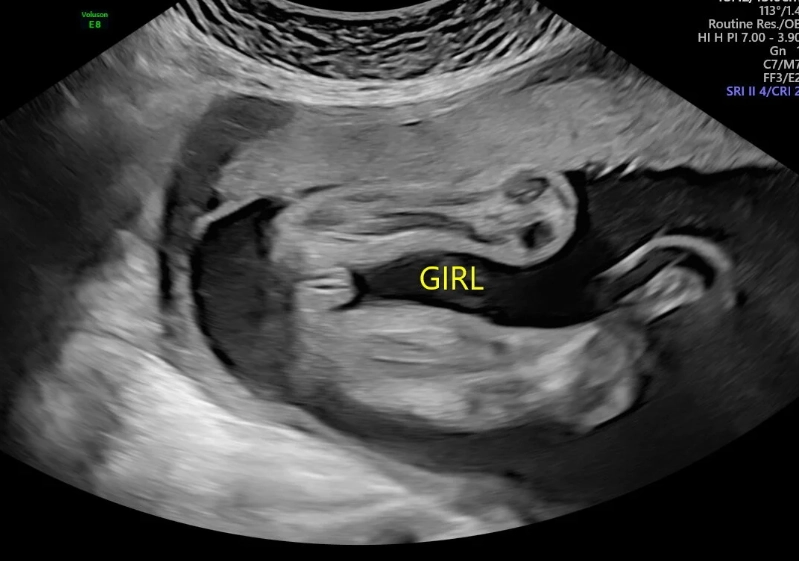
This scan is often combined with a blood test (the first part of the combined screening or NIPT) to assess risk. It's a screening test, not a diagnosis. A "high-risk" result simply means further diagnostic testing (like CVS or amniocentesis) is offered. The emotional weight of this scan is huge. It’s normal to feel anxious beforehand.
Navigating the Scan: A Pro Tip
Many clinics focus on the medical metrics. Don't be afraid to ask, "Can you point out what we're seeing?" A good sonographer will show you the heartbeat, the profile, the waving limbs. If they seem rushed, a simple "This is our first good look, we're just really excited to see everything" can remind them of the human side of the process.
How Your Body and Symptoms May Shift
The narrative that "morning sickness magically disappears at 12 weeks" is one of pregnancy's biggest oversimplifications. For some, it does ease. For others, it lingers for weeks. Here’s a more realistic breakdown of what you might experience:
| Symptom | What Often Happens Around 12 Weeks | Pro-Tip / Reality Check |
|---|---|---|
| Nausea & Fatigue | May begin to lessen for many, but don't panic if yours persists. Hormone levels (hCG) plateau now, which can bring relief. | If it's not fading, you're not failing. Hyperemesis Gravidarum can last longer. Keep communicating with your provider. |
| Energy Levels | You might get a welcome surge of energy as the placenta takes over more hormonal production. | Use this window for practical tasks (like announcing your news or light nursery planning) but don't overdo it. |
| Breast Tenderness | Can start to ease slightly for some women. | Your breasts will continue to grow and change. Invest in a good, supportive sleep bra now. |
| New Sensations | You might feel occasional twinges or mild cramps as ligaments stretch. Constipation may become more noticeable. | Round ligament pain is common. Sudden, severe pain or bleeding is not—call your provider. |
| Skin & Hair | The "pregnancy glow" might appear due to increased blood volume. You may also notice linea nigra (a dark line on the abdomen). | Some experience acne instead of a glow. It's all hormonal. Stick to pregnancy-safe skincare. |
The shift isn't always about symptoms vanishing. It's often about your capacity to manage them improving as the initial shock of the first trimester passes.
Your Action Plan: What to Do After 12 Weeks
With the first trimester closing, your focus can shift from pure survival to gradual preparation.
Nutritional Recalibration: If you've been surviving on crackers, now's the time to gently reintroduce a wider variety of foods. Prioritize iron-rich foods (lean meat, lentils, spinach) to support your increasing blood volume, and calcium for baby's bone development. Don't obsess over a perfect diet—consistency matters more.
Prenatal Care Schedule: Appointments typically move from monthly to every 4 weeks. Mark your calendar for the anatomy scan around 18-20 weeks. Start thinking about childbirth education classes—the popular ones book up fast.
Mental and Practical Prep: This is an excellent time to have preliminary discussions with your partner about parenting philosophies, even in broad strokes. Also, review your workplace's maternity leave policy. Gathering the formal documents now avoids last-minute stress.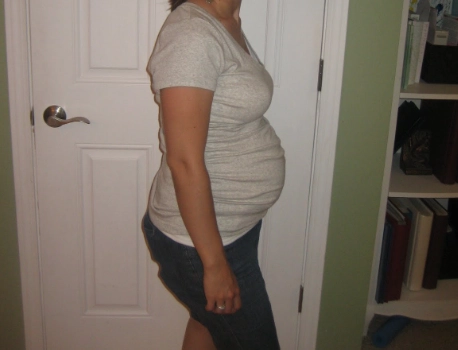
Expert Answers to Your 12-Week Questions
Reaching 12 weeks pregnant, or 3 months, is a monumental step. It's a shift from the fragile, secret-keeping early days toward the more physically evident and often more stable middle phase of pregnancy. Use this time to acknowledge how far you've come, process the information from your scans, and gently pivot your mindset toward the journey ahead. Trust your body's signals, keep the lines of communication open with your healthcare team, and remember—you're navigating one of the most complex and incredible processes there is.
Reader Comments