That strange twinge, the unusual fatigue that hits at 2 PM, a sudden aversion to your morning coffee. If you're trying to conceive, the days between ovulation and your expected period can feel like an eternity of analyzing every single bodily signal. You're not imagining things—some women do notice healthy pregnancy symptoms before a missed period. The tricky part? These early signs are masters of disguise, often looking identical to premenstrual syndrome (PMS).
Let's cut through the confusion. I've talked to countless women in this exact waiting phase, and the anxiety is real. This guide isn't about giving you false hope or making you symptom-spot obsessively. It's about providing clear, grounded information on what those early whispers might be, how to interpret them without driving yourself crazy, and what steps actually make sense to take next.
What's Inside: Your Quick Guide
What Are the Most Common Early Pregnancy Symptoms Before a Missed Period?
These symptoms are caused by the rapid rise in hormones, primarily progesterone and human chorionic gonadotropin (hCG), that begins after the fertilized egg implants in the uterine lining. Implantation itself typically happens 6-10 days after ovulation. That's why some women might feel shifts in the week leading up to their expected period.
Here’s a breakdown of the front-runners, based on both clinical observation and countless personal anecdotes.
Breast Changes: More Than Just Tenderness
This is often the first clue for many. It's not just the standard pre-period soreness. The sensation can be sharper, more pronounced, and focused on the sides. Your breasts might feel unusually heavy, full, or tingly. The areolas (the darker area around the nipple) may darken slightly and look more pronounced, with the little bumps (Montgomery's tubercles) becoming more noticeable. I remember with my first, the tenderness was so specific it felt like a deep ache, not a surface-level soreness.
Fatigue That Feels Different
We're not talking about "I had a long day" tired. This is a profound, bone-deep exhaustion that can hit you in the mid-afternoon like a ton of bricks. It's the kind of fatigue where climbing a flight of stairs feels like a marathon. Your body is working overtime to build the placenta and support the new life, and it siphons a huge amount of energy. If you're suddenly needing a nap for no apparent reason, take note.
Nausea and Food Aversions (Yes, Really Early)
While full-blown "morning sickness" usually kicks in around week 6, a subtle, low-grade nausea or queasiness can appear much sooner. It might come and go, often triggered by an empty stomach or certain smells. That coffee you love? It might suddenly smell metallic and unappealing. A common tell is a sudden, irrational aversion to a food or smell you normally enjoy.
The Notorious Implantation Bleeding and Cramping
This one causes a lot of confusion. About 25-30% of women experience some light spotting or bleeding around the time the embryo implants. The key differences from a period? Implantation bleeding is typically:
- Lighter in flow: Often just a few drops or light pink/brown discharge.
- Shorter in duration: Lasting from a few hours to a couple of days.
- Different in color: Pink, brown, or rust-colored, rarely bright red.
- Accompanied by mild cramps: These are usually lighter than period cramps, more like a twinge or pulling sensation on one side.
A crucial point many miss: the absence of implantation bleeding means nothing. Most pregnancies occur without it, so don't worry if you don't see a spot.
Other Subtle Hints
Increased Basal Body Temperature (BBT): If you're charting, a sustained temperature elevation for more than 14 days past ovulation is a strong sign.
Frequent Urination: Rising hCG levels increase blood flow to your pelvis, which can irritate the bladder surprisingly early.
Mood Swings & Dizziness: Hormonal surges can make you feel emotionally volatile or lightheaded.
Heightened Sense of Smell: Suddenly becoming a bloodhound is a classic, if quirky, early sign.
A Reality Check: Experiencing one, all, or none of these symptoms before your missed period is completely normal. Bodies are not textbooks. Symptoms are a poor predictor of whether you are pregnant or not—only a test can tell you that.
How Can I Tell Early Pregnancy Symptoms Apart from PMS?
This is the million-dollar question. The overlap is massive because the same hormone, progesterone, rises in both scenarios. The difference often lies in the timing, intensity, and combination of symptoms.
Let's look at a side-by-side comparison to highlight those nuances.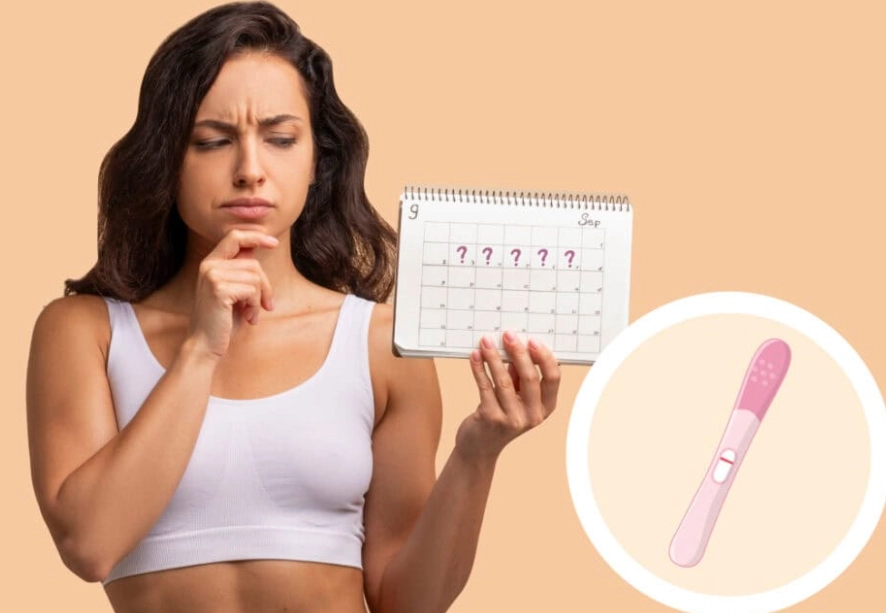
| Symptom | Early Pregnancy Clues | Typical PMS Clues |
|---|---|---|
| Breast Tenderness | Persistent, often increasing until period is late. Areolas may darken, feel full/heavy. | Usually peaks and then fades a day or two before period starts. Tenderness is more generalized. |
| Cramping | Milder, intermittent, often a pulling/twinging sensation on one side. Can last days. | Often stronger, more rhythmic, centered low in abdomen. Builds as period approaches. |
| Bleeding/Spotting | Light pink/brown spotting 6-10 days after ovulation (implantation), short-lived. | Heavier, bright red flow marking the start of your period. |
| Fatigue | Profound, sudden, and persistent. Can feel debilitating. | More linked to bloating, sleep disruption, and general malaise. |
| Mood Changes | Can be more intense, with sudden tears or irritability due to rapid hormone shifts. | Often involves irritability, anxiety, or sadness in a more predictable pattern. |
| Nausea | Morning or all-day queasiness, food aversions. Rare with PMS. | Not a common feature of PMS. Bloating and digestive issues are more likely. |
The most telling sign is often a "pattern deviation." If you know your typical PMS script inside and out—say, you always get irritable two days before, then cramping starts—and this cycle, the script is different (the irritability is missing but you have bizarre nausea), that deviation can be meaningful. But again, it's a clue, not a confirmation.
How to Know for Sure: Moving Beyond Symptom-Spotting
Reading your body's signals is one thing. Getting a definitive answer is another. Here’s your action plan to move from speculation to knowledge.
1. The Pregnancy Test Timeline
This is the only way to know. Home pregnancy tests detect hCG in your urine.
- Too Early (Before Implantation): The test will be negative because no hCG is being produced yet.
- Best Time to Test: The day after your missed period. By this time, hCG levels are usually high enough for even less sensitive tests to detect.
- Early Testing: Some "early detection" tests claim accuracy 4-5 days before your missed period. The catch? You need to have implanted early and have rapidly rising hCG. A negative this early is not definitive. If you test early and get a negative but still no period, test again in 2-3 days.
Pro tip from the trenches: Use your first-morning urine, as it's most concentrated. And read the results within the time window on the package. An evaporation line appearing much later is not a positive.
2. When to Call a Healthcare Provider
Once you have a positive home test, schedule an appointment with your OB-GYN or midwife. They will confirm the pregnancy, often with a blood test that measures the exact quantity of hCG, and discuss next steps for prenatal care.
If you are experiencing severe pain, heavy bleeding, or dizziness alongside a suspected pregnancy, contact a doctor immediately to rule out emergencies like ectopic pregnancy.
3. What to Do While You Wait
Act as if you could be pregnant. This means:
- Start or continue taking a prenatal vitamin with at least 400 mcg of folic acid.
- Avoid alcohol, recreational drugs, and limit caffeine.
- Don't start any new intense medication or supplement regimen without checking with a doctor.
- Eat nourishing foods and listen to your body's need for rest.
This "precautionary principle" is good for your potential pregnancy and your peace of mind.
Your Burning Questions, Answered
Navigating the two-week wait is an exercise in patience and self-kindness. Pay attention to your body, but don't let the symptom-spotting consume you. Arm yourself with accurate information, know the logical next steps, and remember that whether you feel a lot or nothing at all, your body is doing its own unique thing. When in doubt, the answer is always in the test, not in the twinge.
Reader Comments