Effective parenting isn't about being perfect. It's not about finding a one-size-fits-all manual. After years of working with families and, frankly, navigating my own chaotic household, I've found it's about having a reliable toolkit. It's about strategies that work when your toddler is melting down in the supermarket, or when your teenager slams a door. Most advice out there is either too vague (“be patient”) or too rigid (“never do this”). Let's cut through that. Here are five core, actionable effective parenting strategies that build real connection and resilience, not just compliance.
What You'll Learn Inside
- Strategy 1: The Foundation is Connection, Not Control
- Strategy 2: How to Set Rules That Kids Actually Follow
- Strategy 3: Becoming Your Child's Emotion Coach
- Strategy 4: The Art of Fostering Independence (Without Losing Your Mind)
- Strategy 5: The Most Overlooked Strategy: Parental Self-Care
- Your Top Parenting Questions, Answered
Strategy 1: The Foundation is Connection, Not Control
Think about your own best relationships. They're built on trust and positive connection, right? Parenting is no different. Yet, when we're stressed, our default is often to command and control. This backfires. A child who feels disconnected is a child who will resist, act out, or shut down.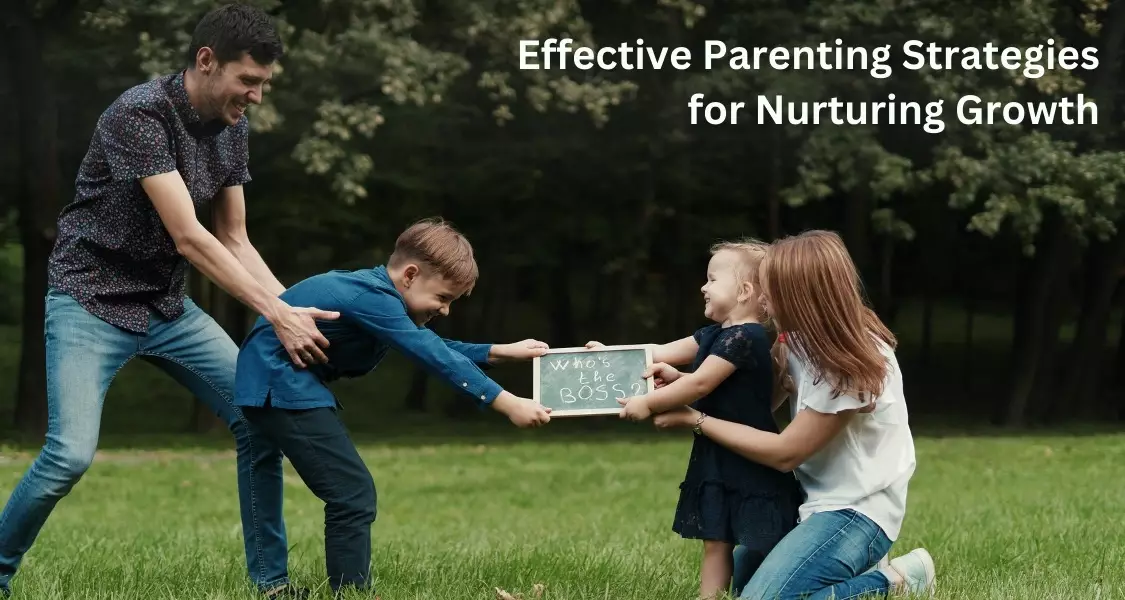
The 10-Minute Miracle
This is my non-negotiable. Every day, spend 10 minutes of undivided, screen-free, agenda-free attention with each child. You don't lead. You follow. If your four-year-old wants to line up cars, you line up cars. If your ten-year-old wants to show you a Minecraft world, you watch and ask questions. This isn't teaching time or correction time. It's pure connection time. Research from institutions like the Child Mind Institute consistently shows that small doses of focused, positive attention drastically reduce attention-seeking misbehavior. The child's cup gets filled, so they stop demanding in negative ways.
The subtle mistake here? Thinking quality time has to be a big, planned event. It doesn't. It's the consistent, tiny deposits that build the emotional bank account. A game of Go Fish before bed, a silly dance in the kitchen while making dinner—these matter more than the quarterly trip to the zoo.
Strategy 2: How to Set Rules That Kids Actually Follow
Rules are necessary. But the problem is usually in the execution. We either have too many vague rules (“be good”) or we enforce them inconsistently based on our own fatigue levels.
Clarity Over Quantity
Have a few clear, non-negotiable family rules. Frame them positively. Instead of “Don't hit your sister,” try “We use gentle hands with our family.” Instead of “No yelling,” try “We use calm voices inside.” Post them on the fridge. For young kids, draw pictures. This removes the “I didn't know!” excuse and makes you a team enforcing shared values, not just a dictator.
Consistency is Your Superpower (And Your Biggest Challenge)
Inconsistency teaches kids to test limits. If sometimes jumping on the couch leads to a time-out and sometimes it leads to laughter, they'll keep jumping to see what happens today. I know it's exhausting. But pick your core 3-5 rules and hold the line on them, especially when you're tired. The payoff is less testing in the long run.
Here’s a simple way to visualize a shift from punitive to positive discipline:
| Common Reaction | More Effective Strategy | Why It Works |
|---|---|---|
| “Stop whining!” | “I hear you're frustrated. Use your big-kid voice so I can understand how to help.” | Validates the emotion while teaching a better communication method. |
| “Go to your room!” after a tantrum. | Staying nearby, calm. “I'm here when you're ready for a hug.” After calm: “That was a big feeling. Let's talk.” | Teaches emotional regulation through co-regulation, not isolation. |
| “Because I said so!” | “The rule is no screens after 8 PM. It helps your brain get ready for sleep so you have energy for soccer tomorrow.” | Provides a rational, child-focused reason, building understanding. |
Strategy 3: Becoming Your Child's Emotion Coach
Kids don't have meltdowns to manipulate you (usually). They have them because their big feelings overwhelm their underdeveloped brains. Our job isn't to stop the feeling, but to help them navigate it. This is the heart of positive parenting.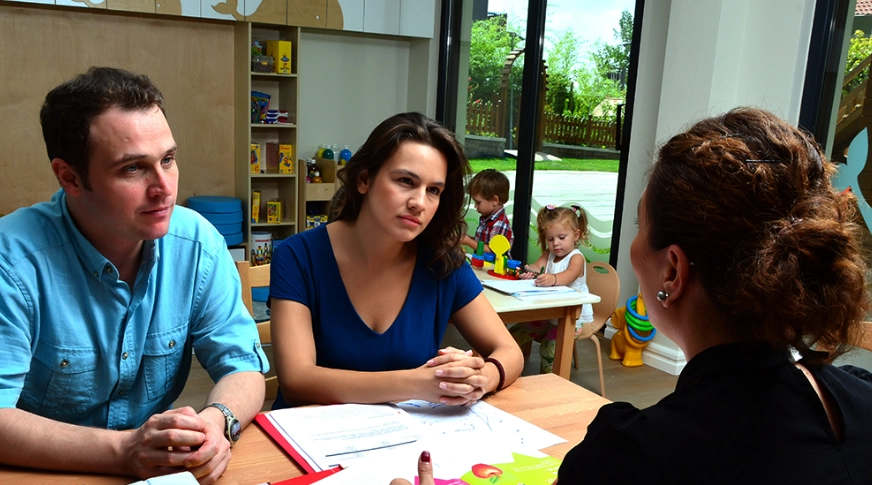
Step 1: Name It to Tame It. This phrase, popularized by Dr. Dan Siegel, is gold. “You look really disappointed that the park is closed.” “Your face is telling me you're furious your brother took your toy.” Just labeling the emotion activates the logical part of the brain and dials down the emotional tsunami.
Step 2: Validate, Even When It's Irrational. “It makes sense you're sad about leaving. You were having so much fun.” Validation doesn't mean you agree with the ensuing behavior (kicking the car seat). It means you acknowledge their internal world is real to them. This builds trust.
Step 3: Problem-Solve Together (After the Storm). Once they're calm, that's the time for child discipline techniques that teach. “The park was closed. That was a bummer. What could we do instead when we feel that disappointed next time?” Guide them to ideas.
The expert nuance most miss? You have to manage your own emotions first. If their anger triggers your anger, you have two out-of-control people. Take a breath. Say, “I need a minute to calm down so I can help you.” Modeling this is the most powerful lesson of all.
Strategy 4: The Art of Fostering Independence (Without Losing Your Mind)
We want capable kids, but we often sabotage ourselves because it's faster to do it ourselves. True confidence comes from mastery.
- Ages 2-4: Focus on self-care tasks. Let them put on their own shoes (even if it takes 10 minutes), pour water from a small pitcher, put toys in a bin. Offer limited choices: “Red shirt or blue shirt?”
- Ages 5-7: Simple chores with clear steps. Make a chart with pictures: 1. Get plate. 2. Put sandwich on plate. 3. Put plate on table. Responsibility for packing their own school backpack (with a final check from you).
- Ages 8+: Teach basic life skills. Making a simple meal (scrambled eggs), doing their own laundry (with supervision), managing a small weekly allowance, calling to order a pizza.
The key is to tolerate the mess and the slowness in the short term. Yes, the folded towels will look awful. Let it go. The pride on their face is worth it. This is how you build intrinsic motivation and combat helplessness.
Strategy 5: The Most Overlooked Strategy: Parental Self-Care
You can't pour from an empty cup. This isn't a cliché; it's a physiological fact. Parenting burnout makes you reactive, impatient, and drains the joy from your family.
Self-care isn't just spa days (though those are nice). It's the micro-habits that keep you regulated:
- Sleep: Fight for it. It's the cornerstone of emotional regulation for YOU.
- Nutrition and Water: Skipping meals makes anyone hangry, including parents.
- Micro-Breaks: Lock yourself in the bathroom for 2 minutes of deep breathing. Step outside and look at the sky. These are circuit-breakers.
- Connection with Other Adults: Talk to another parent who gets it. Laugh about the chaos. It normalizes the struggle.
When you're regulated, you can be the calm, connected parent your child needs. Prioritizing this isn't selfish; it's the engine that makes all the other effective parenting strategies possible.
Reader Comments