Let’s cut to the chase. The way you parent—your tone, your rules, your reactions—is shaping your child’s brain, their confidence, and their future relationships. It’s a big deal. You might be following a script you inherited from your own parents without even realizing it. Psychologist Diana Baumrind’s groundbreaking work in the 1960s, later expanded by others, gave us a framework to understand this: the four main parenting styles. This isn’t about labeling you as a “good” or “bad” parent. It’s a map. A tool to help you see where you are, understand the likely outcomes for your kids, and make conscious adjustments if you want to.
What’s Inside This Guide?
The Four Main Parenting Styles Defined
Think of parenting styles on two axes: Demandingness (the rules and expectations you set) and Responsiveness (the warmth and support you provide). Where you land creates your style.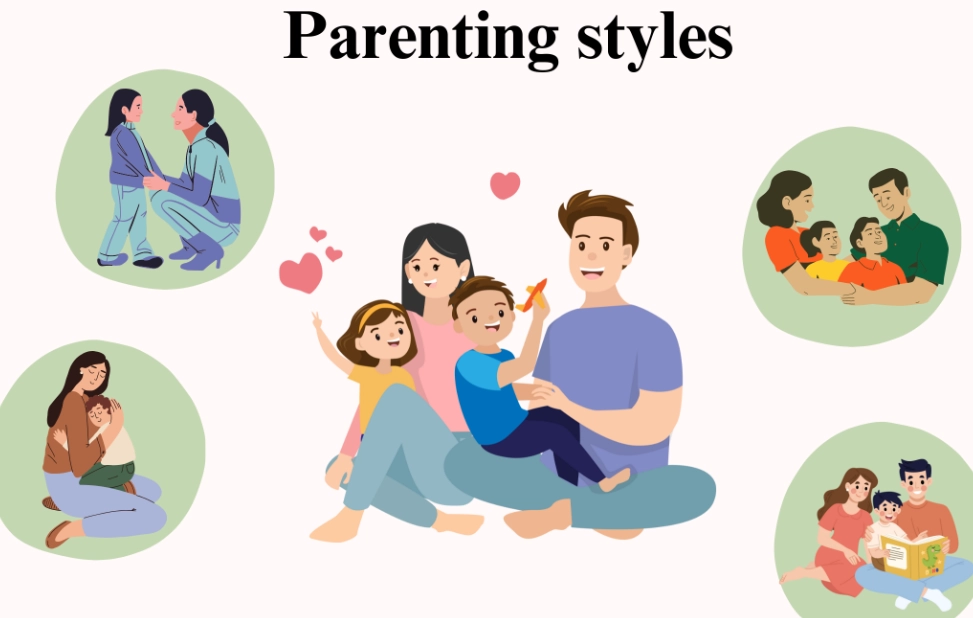
| Parenting Style | Demandingness (Rules) | Responsiveness (Warmth) | Classic Parent Phrase |
|---|---|---|---|
| Authoritative | High. Clear, consistent rules and expectations. | High. Nurturing, communicative, and validating. | “I understand you’re upset you can’t go to the party. The rule is homework first. Let’s make a plan to get it done faster next time.” |
| Authoritarian | Very High. Rigid rules, often without explanation. | Low. More focused on obedience than emotional connection. | “Because I said so. No backtalk. Go to your room.” |
| Permissive | Low. Few rules or consequences. | High. Very loving but acts more like a friend than a guide. | “Oh, you don’t want to do your homework? That’s okay, sweetie. Want to watch a movie instead?” |
| Neglectful | Low. Little to no structure or supervision. | Low. Emotionally or physically absent, unengaged. | … (Often silence. The parent may be physically present but tuned out, or simply not there.) |
Most research, including follow-ups to Baumrind’s studies, points to the authoritative style as the “gold standard” linked to the best outcomes. But here’s the nuance everyone misses: being authoritative isn’t about being perfect. It’s about the balance. It’s the difference between a coach who pushes you hard but believes in you (authoritative) and a drill sergeant who only cares about the outcome (authoritarian).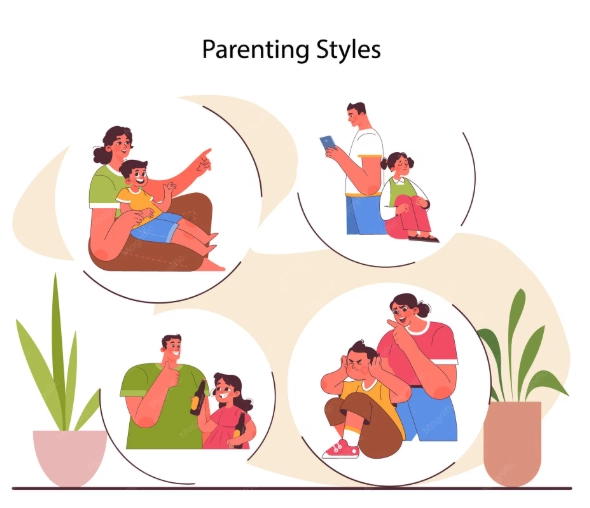
Spot Your Style: Real-Life Scenarios
Let’s get concrete. How you handle daily battles reveals your style more than any quiz.
The Bedtime Battle
Authoritarian: “It’s 8 PM. Lights out now.” Child protests. “I don’t want to hear it. If you’re not in bed in one minute, no screen time tomorrow.” The child goes to bed angry and resentful.
Authoritative: “Five-minute warning till bedtime!” At 8 PM: “Time for bed. I know it’s hard to stop playing. We’ll read two books tonight. Which ones do you want?” The routine is firm, but there’s choice and connection within it.
Permissive: “Honey, it’s getting late…” Child begs for more TV. “Okay, just one more show. But then really bedtime.” This repeats until the child falls asleep on the couch at 10 PM.
Neglectful: The parent is in another room scrolling on their phone. The child falls asleep on the living room floor whenever.
The Homework Hassle
Authoritarian: Sits over the child, micromanaging every pencil stroke. “That’s sloppy. Erase it and do it again.” Focus is on perfect output, creating anxiety.
Authoritative: Sets up a consistent homework time and quiet space. “I’m here if you get stuck on a problem. Let me know when you’re done so I can check it.” Offers support without taking over.
Permissive: “Do you have homework?” Child says no. Parent doesn’t check the school portal or backpack. Homework may or may not get done.
Neglectful: Unaware if there is homework or when it’s due.
See the patterns? I’ve worked with families for years, and the most common trap I see is parents swinging between authoritarian (when they’re fed up) and permissive (when they feel guilty). This inconsistent mix is confusing for kids and exhausting for you.
A Quick Reality Check: You won’t fit neatly into one box 100% of the time. Stress, lack of sleep, or your own childhood baggage can push you into a different style temporarily. The goal is awareness, not perfection. What’s your default mode when you’re not actively thinking about it?
The Long-Term Effects on Your Child
This is where it gets serious. Your parenting style isn’t just about getting through the day; it’s building your child’s internal software.
Kids of Authoritative Parents tend to:
– Have higher self-esteem and better emotional regulation.
– Perform better academically (they’re motivated from within, not by fear).
– Develop strong social skills and healthier relationships.
– Become competent, responsible adults. Studies cited by the American Psychological Association consistently back this up.
Kids of Authoritarian Parents often:
– Obey out of fear, not understanding. They may rebel heavily in adolescence.
– Struggle with low self-esteem and higher rates of anxiety.
– Have difficulty making independent decisions because they’ve always been told what to do.
– Exhibit more aggressive behavior with peers.
Kids of Permissive Parents frequently:
– Struggle with authority figures (teachers, bosses) because they’re not used to limits.
– Have poor self-control and may exhibit more behavioral problems.
– Can feel insecure because the lack of boundaries feels like a lack of care.
– Might struggle with entitlement in relationships.
Kids of Neglectful Parents face the toughest road, with the highest risks for:
– Attachment disorders and profound emotional insecurity.
– Academic and cognitive delays.
– Early engagement in risky behaviors (substance use, delinquency).
– Mental health challenges like depression.
How to Adjust Your Parenting Style
If you’re leaning authoritarian, permissive, or see neglectful patterns, you can change. It’s like building a new muscle. Start small.
If You’re Too Authoritarian:
Your mission is to add warmth. Before you lay down the law, get on their level. Explain the “why” behind a rule. “We wash hands before dinner because it gets rid of germs that can make us sick.” It feels tedious, but it teaches reasoning. Practice saying, “I see you’re really frustrated,” even when you’re about to say no. One rule I give clients: for every correction, try to offer two specific praises or connections.
If You’re Too Permissive:
Your mission is to add structure kindly. Don’t go from 0 to 100 overnight. Pick one area to firm up. Maybe it’s a consistent bedtime routine. State the rule calmly and follow through. “I love cuddling with you, but now it’s time for you to sleep in your own bed. I’ll walk you back.” The first few nights will be hard. Consistency is your new best friend. You’re not being mean; you’re providing the safety of predictability they secretly crave.
The Biggest Mistake I See: Parents think “discipline” equals “punishment.” It doesn’t. Discipline means to teach. Authoritative parenting is effective discipline. Time-outs and taking things away have their place, but if that’s 90% of your toolkit, you’re in authoritarian territory. Shift your focus to teaching the desired behavior.
Reader Comments